I went on an accidental mushroom foraging expedition on some recent walks through the woods. I also have a brief update on my Chicken of the Woods experiments.
COTW update
Mold contaminated my COTW grow bag and it did not form a full fruit unfortunately. Still, I learned something very important: shocking the mycelium with cold water causes growth through the filter.
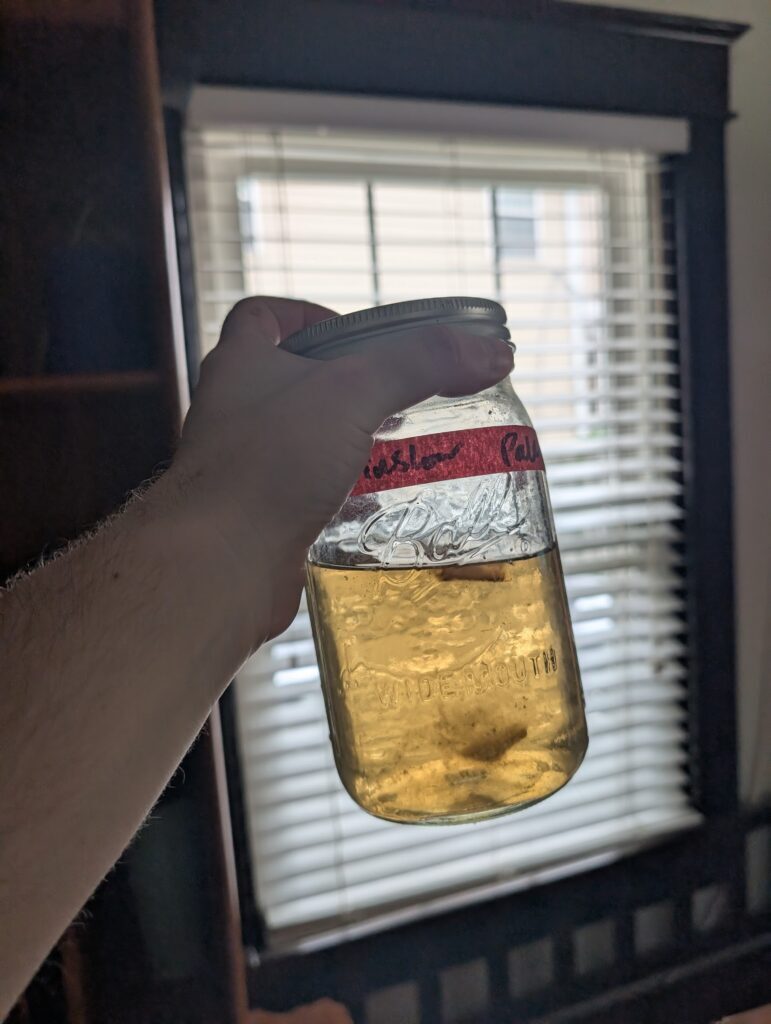
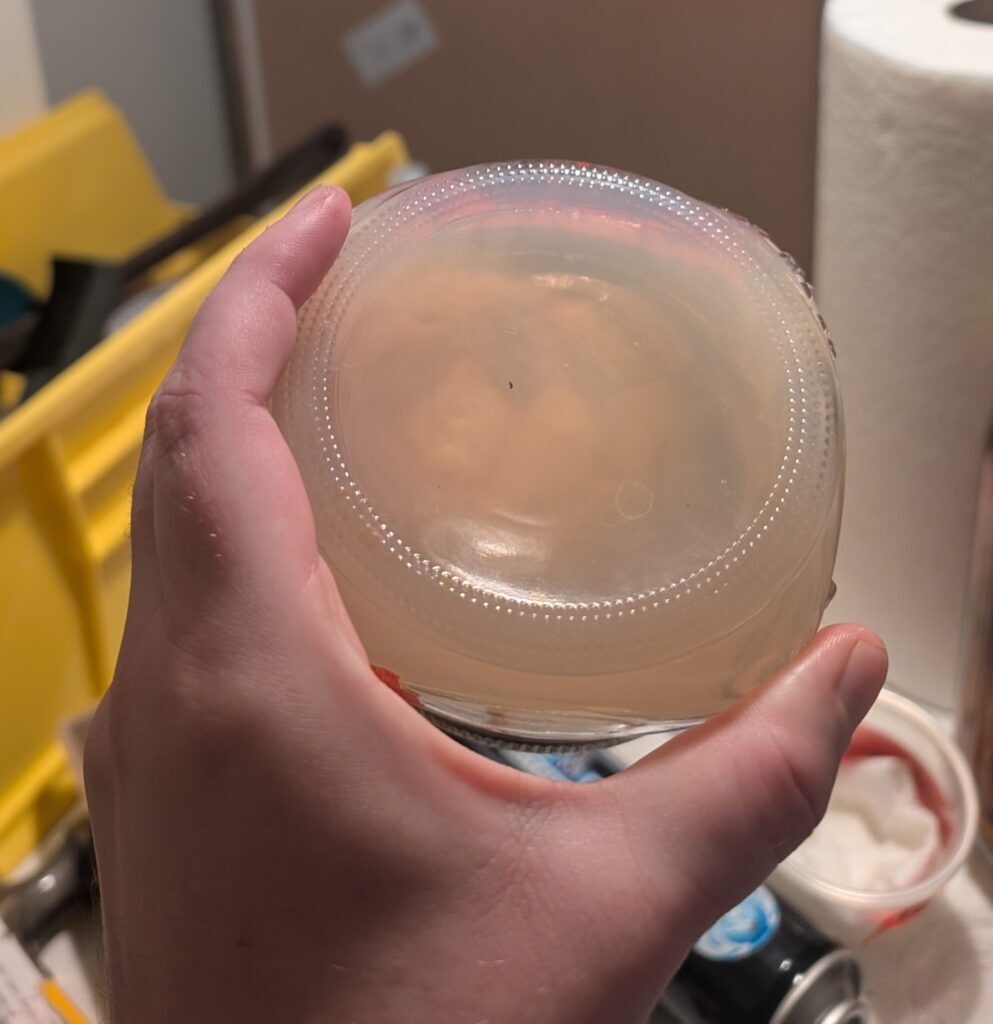
I have successfully grown chicken of the woods mycelium on my homemade potato starch dextrose agar jars (recipe). I also successfully made my own liquid culture using corn syrup and grew chicken of the woods mycelium in that. The mycelium is not very picky, it is just difficult to get it to fruit.
Accidental Foraging Expedition
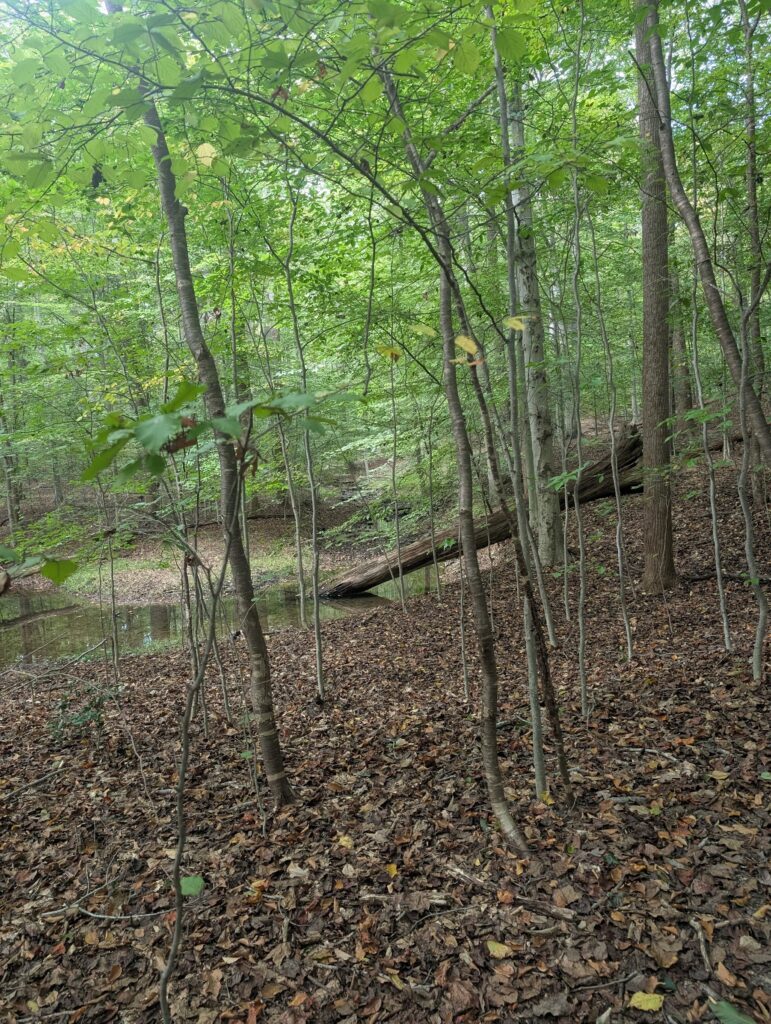
I was walking in the woods recently, and I found three edible wild mushrooms! Mushroom foraging is great fun, but I am always more successful when I am not trying! I found lion’s mane, pinkish-white oyster mushrooms growing on a beech log, and some hairy-topped brown woodear mushrooms.
The exact species of each is uncertain at the moment, because oysters, woodears, and lion’s mane have many species. However, all are generally edible.
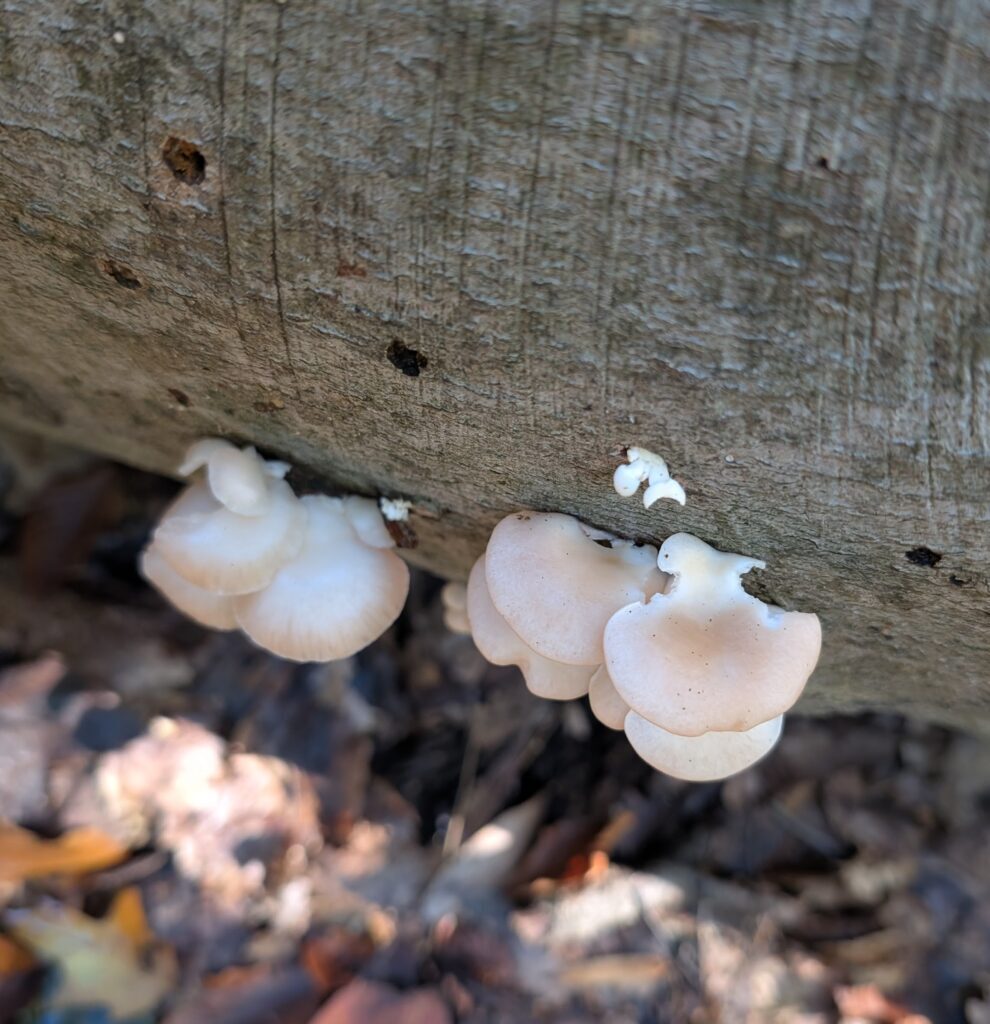
I identified the oyster mushrooms by color (whitish/blush pink surface and white flesh), decurrent gills running partway down the stem, gregarious (grouped) shelf growing habit, and white spore print (Field Guide to Common Macrofungi, Oyster Mushroom ID Guide, Oyster Mushroom Description).
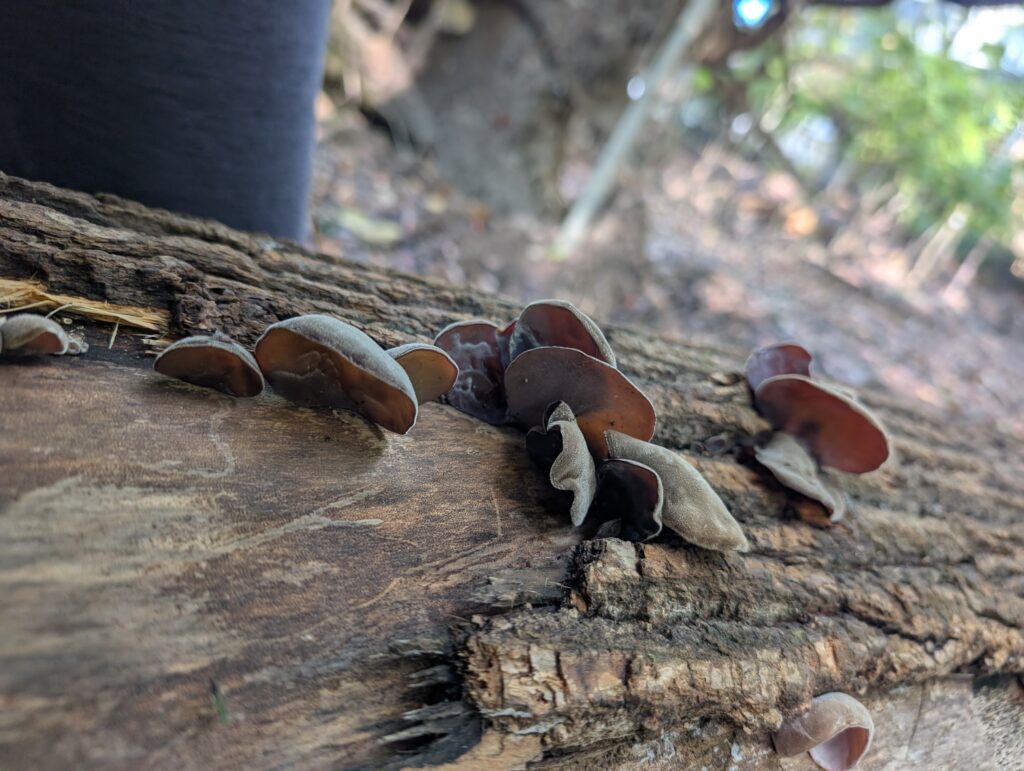
I identified the woodears (AKA Tree Ears, Auricularia species) by shape (cup-like shelves), texture (rubbery flesh, tomentose/hairy upper surface, smooth underside), color (dark brown), and white spore print (Tree Ear Description, Auricularia Wikipedia)
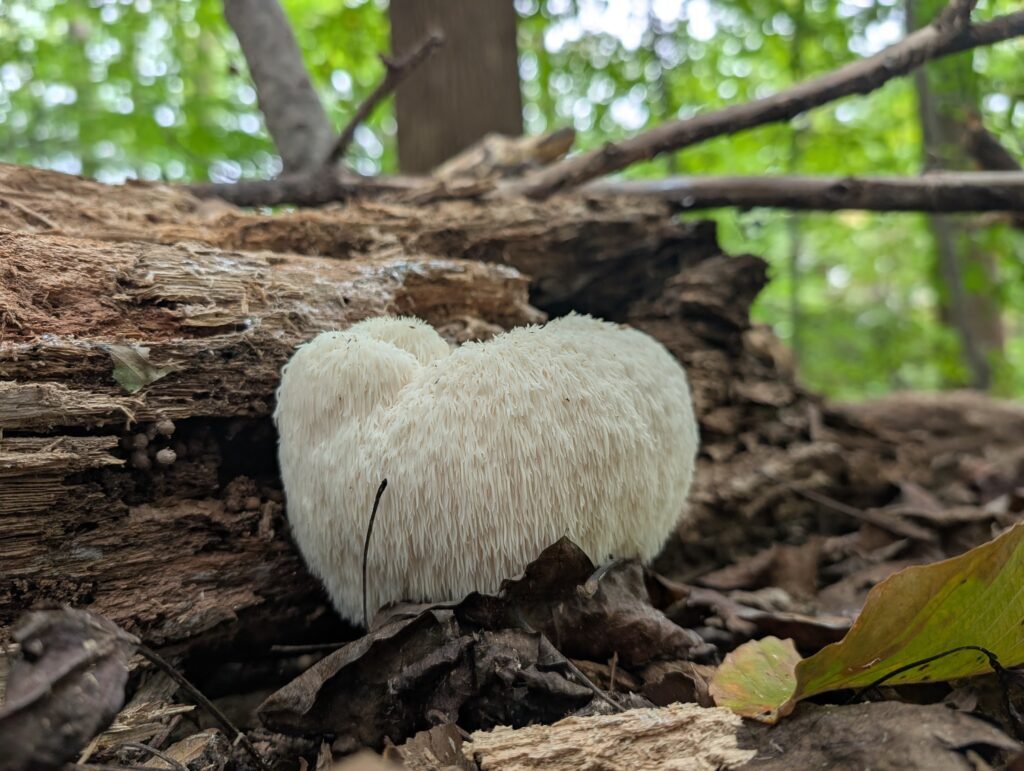
Lion’s mane (AKA Satyr’s Beard, Bearded Tooth) is extremely easy to identify, at least at the genus level. Hercium species tend to have spiky, icicle looking “teeth.” This one was white and very dense and spherical. The spore print was white (Satyr’s Beard Description, Bearded Tooth ID)
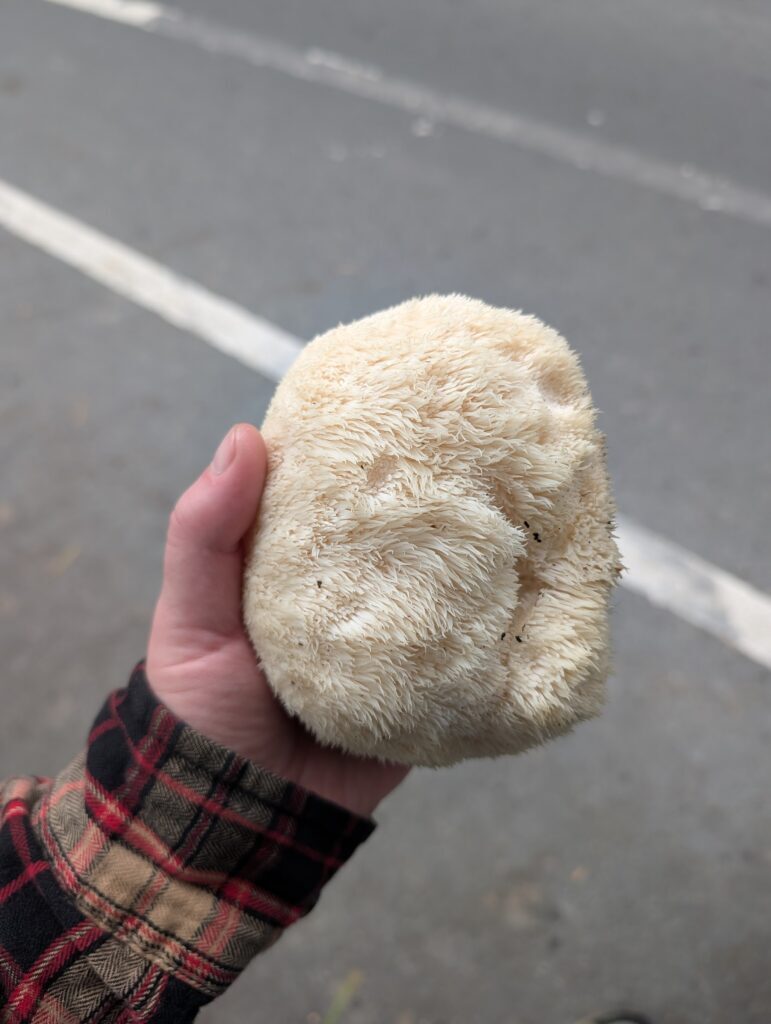
All of the mushrooms I found are saprotrophic (grow on decaying things) instead of mycorrhizal (grow in a complex relationship with trees). They are wood lovers, although oysters will grow on almost anything.
Because I took spore prints (spore print how-to) to help with identification, I can now grow these in captivity!