Laueana Growing

Category: Horticulture

Plants and plant related things

  • Regenerative gardening: winter schemes for spring dreams!

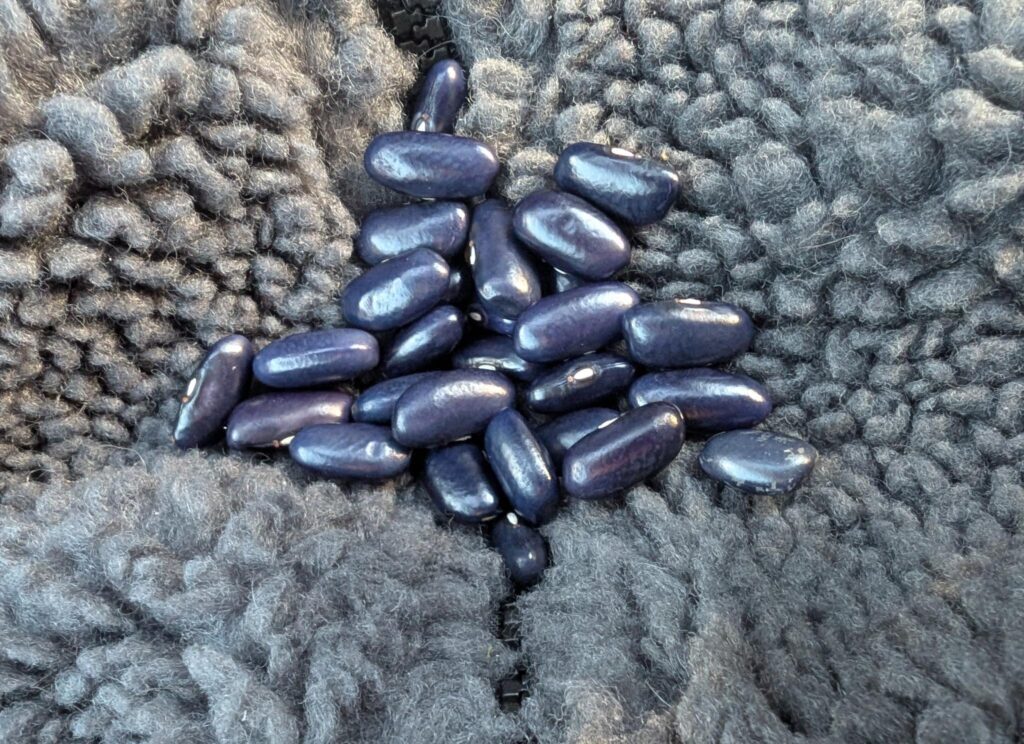
    A small pile of Sacre Bleu kidney beans. They are dark indigo in color. Beans are very important for regenerative gardening systems.

    Sacre Bleu kidney beans

    I haven’t started, let alone finished, my final vegetable review (but you can read part 1 and part 2). Yet, I started planning for some regenerative gardening this spring months ago! The months this frigid winter passed slowly and quickly all at once. I have wonderful news, at the end of it all: I’ve got my first client! He has me planning a multi-year garden installation, complete with annuals, perennials, and trees. With his permission, I am writing about my garden plans for him, and I will try to write about my own later. We aim to construct and plant the bed this spring. However, it is possible we will miss the timeline for spring planting, and only be able to do fall crops this year. We are planning on two garden beds, one with corn, squash, melons, and beans, and the other with peppers, potatoes, tomato, German chamomile, and Mexican mint marigold.

    The role of the “milpa,” or “three sisters,” in regenerative gardening

    I am planning on building a milpa, also known as “three sisters agriculture,” in my friend’s garden. This is a highly intelligent agriculture strategy designed by Native American people, which optimizes the harvest of three mutually beneficial crops: corn, squash, and beans. The catch is that a milpa cannot be machine harvested. Thus, it is not suitable for mass-scale industrial agriculture. “It takes five people four days to pick the beans and harvest the maize” (Landzettel, 2026).

    However, it is a sustainable and productive system that deserves a resurgence. The milpa has high value for food security gardening, because it increases the odds of survival of your crops under harsh conditions.
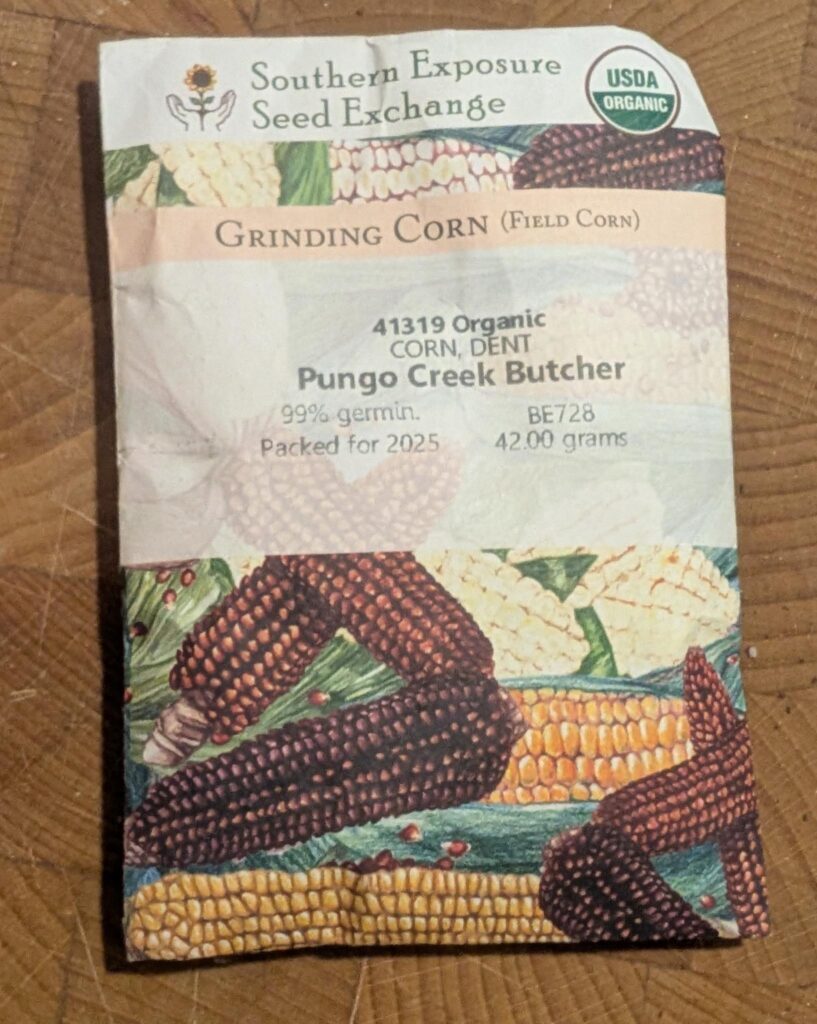
    Pungo Creek Butcher Dent Corn seed packet from Southern Exposure Seed Exchange. The seed packet has illustrations of yellow, orange, and red cobs of corn.

    Pungo Creek Butcher Dent Corn seed packet from Southern Exposure Seed Exchange

    In the milpa, each plant plays a role. The beans “fix” nitrogen from the air into the soil, where they and other plants use it as a macronutrient. The corn provides a pole for the beans to climb, and the squash shades the soil and reduces water evaporation with its large leaves (Landzettel, 2026;Kruse-Peeples & Marinaro 2016). These mutually beneficial interactions are what make the milpa so wildly resilient!

    A milpa can be built in multiple styles, using mounds or rows. Kruse-Peeples & Marinaro (2016) report that the traditional Iroquoian way to build a milpa is by making mounds, which we will emulate.

    There are also “other sisters” important to southwestern Native cultures, which can be grown in a milpa (Kruse-Peeples & Marinaro, 2016). For example, we will grow melons alongside our squash.

    Using lasagna mulching to build soil

    No-till and low-till techniques are important in regenerative gardening. We will use modified lasagna mulching to create two beds with 9 mounds each, in a square array. Lasagna mulching is layering carbon-rich and nitrogen-rich composting materials on top of existing soil (Rauter & Sherp, 2025). For our purposes, we will use finished compost between cardboard layers to create a mound scaffold. On top of this we will add a layer of coir-compost mixture so we can (hopefully) plant this year. We will also be inoculating the cardboard with oyster mushroom grain spawn to break down the cardboard more efficiently, and we will get a crop of lovely gourmet mushrooms out of it as well!
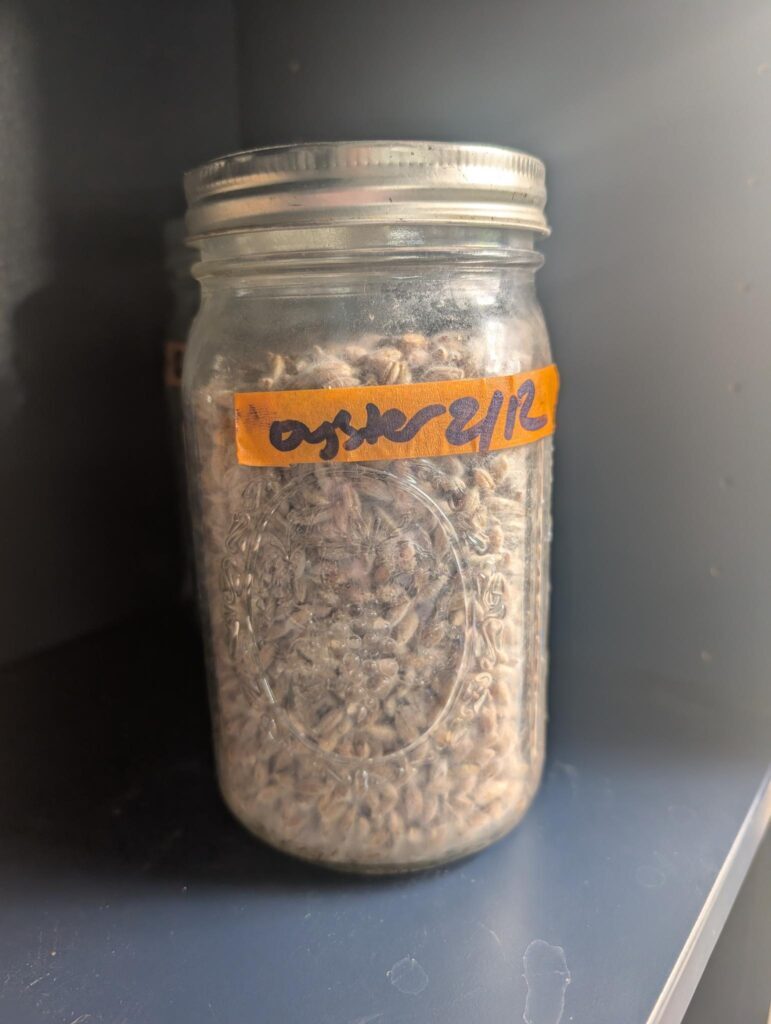
    Oyster mushroom grain spawn in a quart sized wide mouth mason jar. White oyster mushroom mycelium grows as a fuzz over rye grains.

    Oyster mushroom grain spawn

    Bibliography

    Landzettel, M. (2026, February 13). Milpa. How an Ancient Farming System Helps Small Farmers in Today’s Mexico. Slow Food. https://www.slowfood.com/blog-and-news/milpa-ancient-farming-system-mexico/

    Kruse-Peeples, M. & Marinaro, L. (2016, May 27). How to Grow a Three Sisters Garden. Native Seeds/SEARCH. Native Seeds/SEARCH. https://www.nativeseeds.org/blogs/blog-news/how-to-grow-a-three-sisters-garden

    Rauter, S. & Sherp, L. (2025). Sheet mulching and lasagna composting with cardboard. Oregon State University Extension Service. https://extension.oregonstate.edu/catalog/em-9559-sheet-mulching-lasagna-composting-cardboard
  • Plant Review: Garden Vegetables (part 2)

    Today, we are doing a plant review for some of the garden vegetables I grew in 2025. This is my second vegetable review. If you would like to read the first, where I review Carwile’s Virginia peanut, Thai red roselle, Stewart Zeebest okra, and Moon and Stars yellow watermelon, click here!

    Painted Lady Runner Beans Plant Review

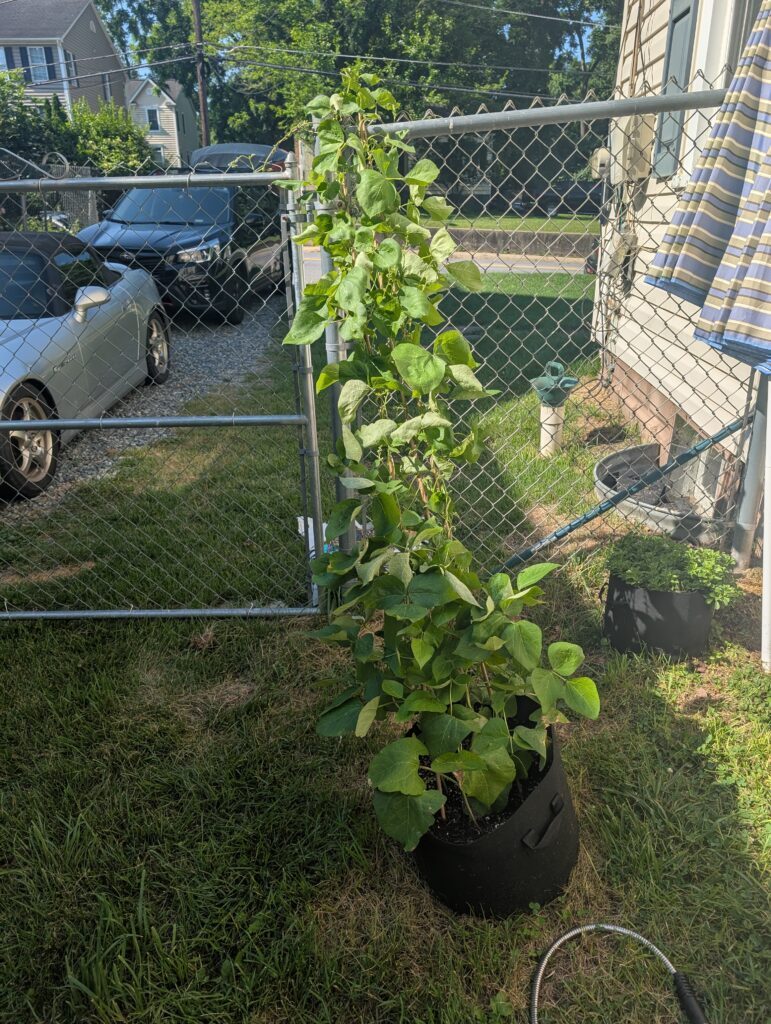
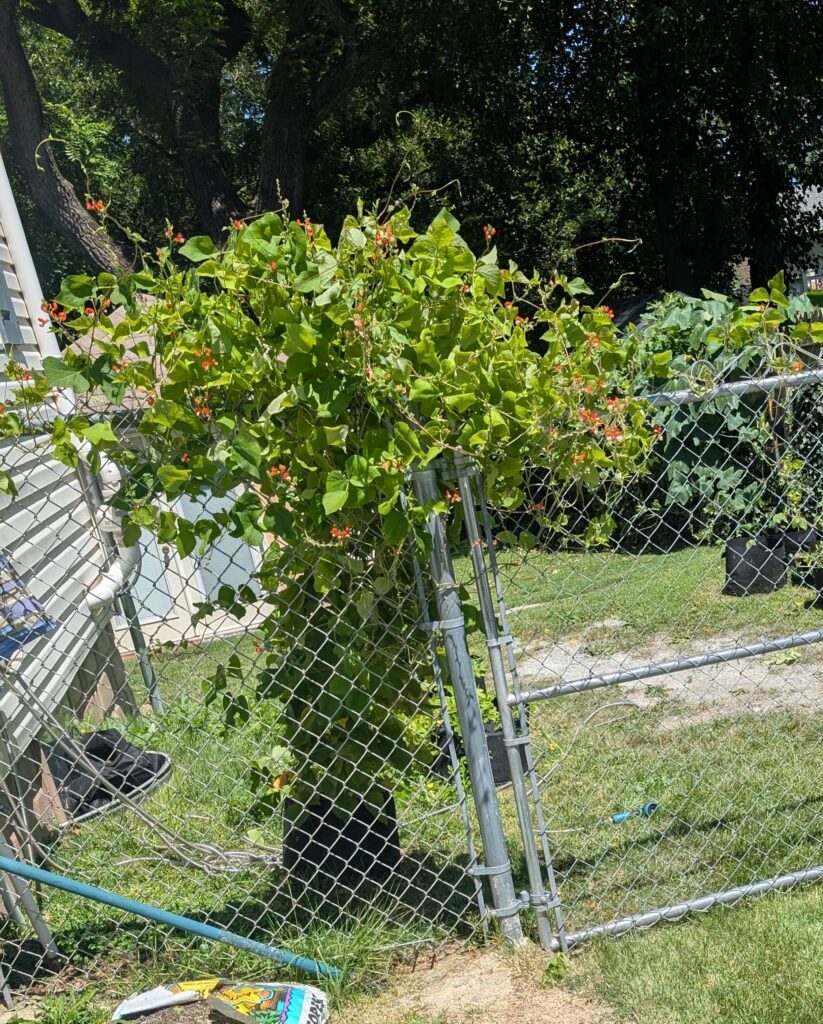
    Runner bean vines climb vigorously. This is part of why I rated them high in "ease of growing" in my plant review.

    Garden Vegetable Review Score

    Overall; 4/5

    Ease of growing: 4/5

    Harvest yield: 2/5

    Harvest quality: 5/5

    Would I grow it again? Yes.

    Explanation

    Painted lady improved runner beans were a mixed bag for me. On the one hand, the vines grew and flowered vigorously, and their beans were delicious. On the other hand, the VAST majority of the flowers never produced beans! If I were gardening mainly for flowers, this would not bother me. But, I am more practical about my goals, and I wanted beans.

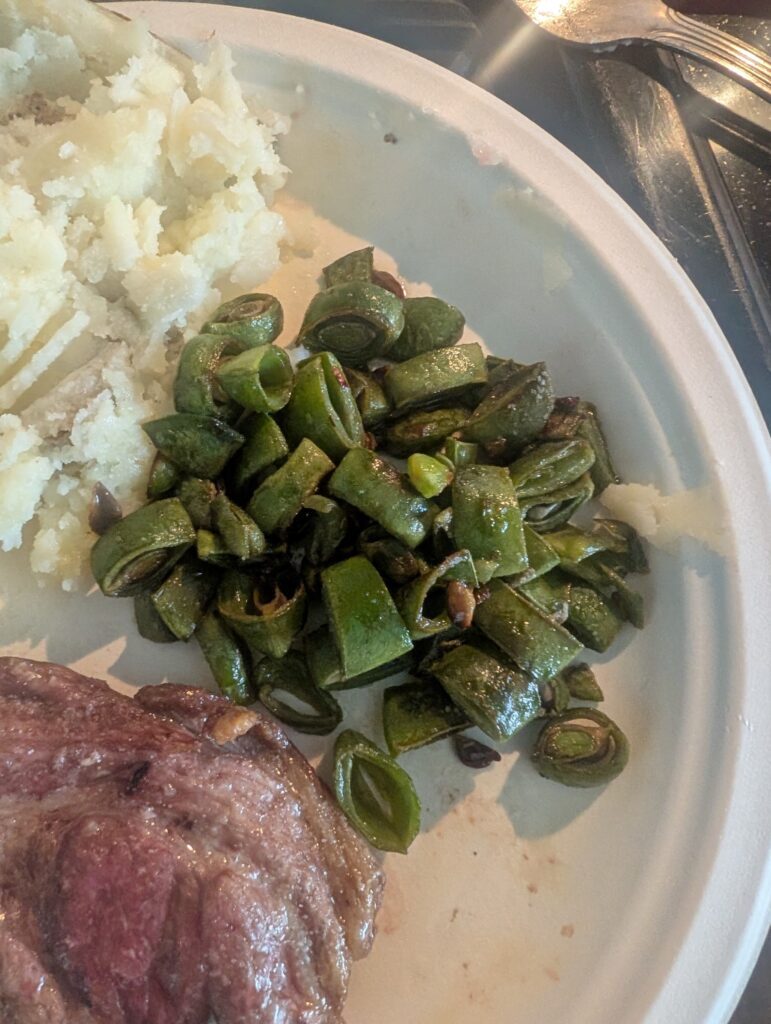
    The beans I got were wonderful, however. They had a flavor similar to green beans, except stronger and more vegetal. I only ate them as snap beans, and did not try them as shelling beans. They were fantastic sauteed in butter with a little salt and pepper.

    I still have the pot full of roots in the shed since they are perennial beans. I have heard that the beans begin to produce better crops as they get older and stronger, so we will see if that is true.
    Runner beans sauteed in butter were very good, so they got a good review for harvest quality. I only wish there were more, so they did not get a good review for harvest yield.

    Suyo Long Asian Cucumber Plant Review

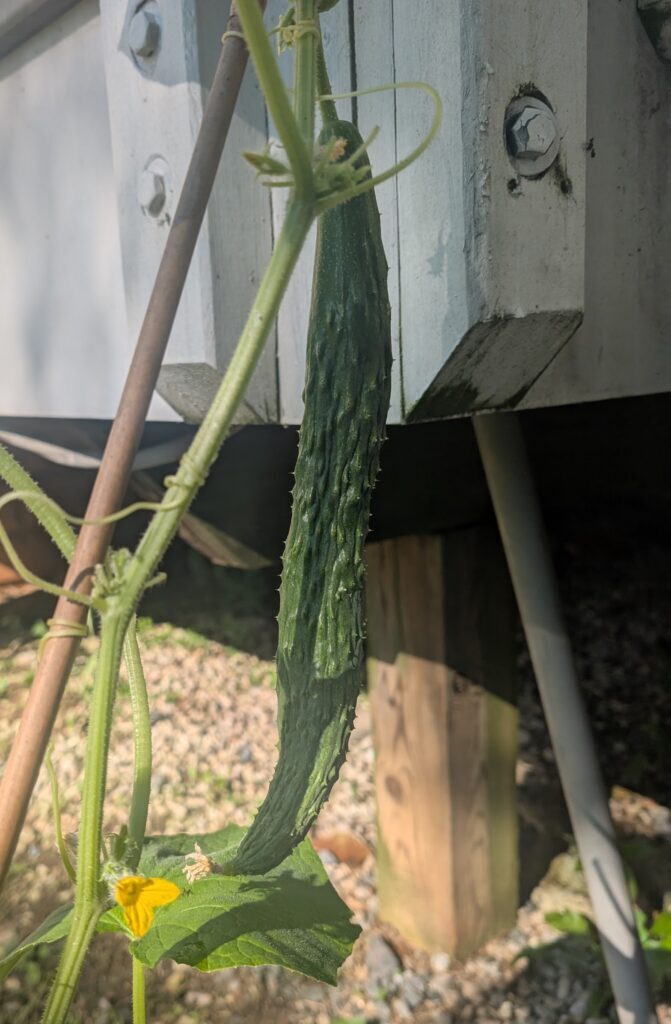
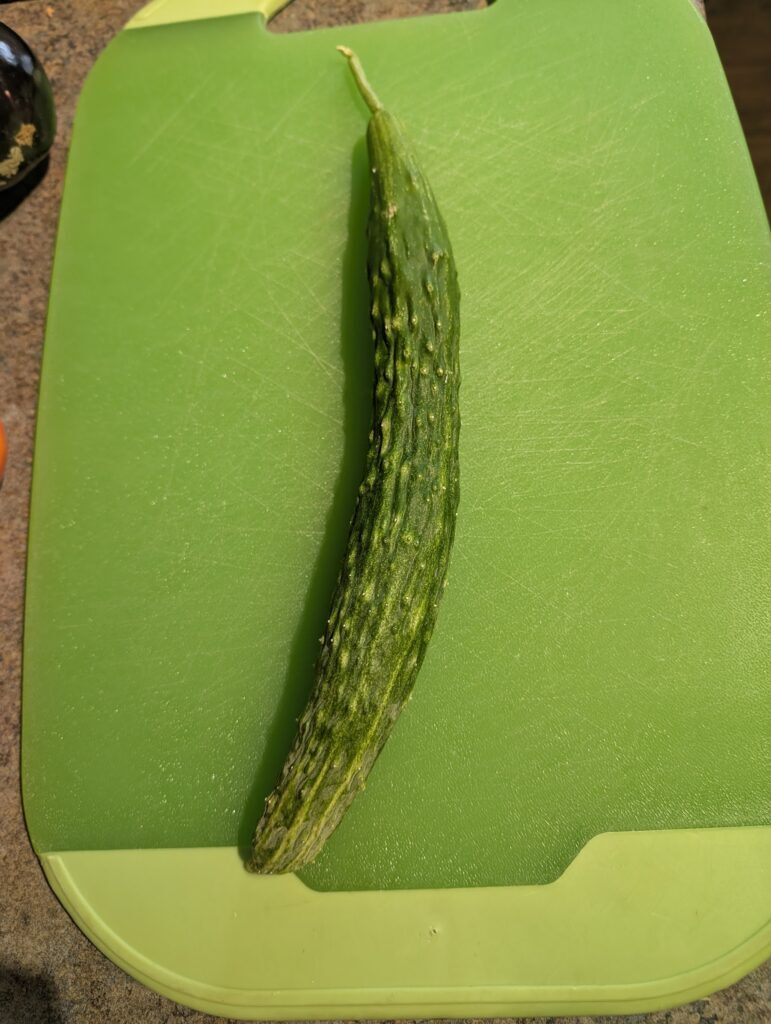
    A long and thin Suyo cucumber on the vine. There was only this one for all three vines, so their rating on the yield portion of the plant review is very low.

    Garden Vegetable Review Score

    Overall: 2.33/5

    Ease of growing: 2/5

    Harvest yield: 1/5

    Harvest quality: 4/5

    Would I grow it again? No.

    Explanation

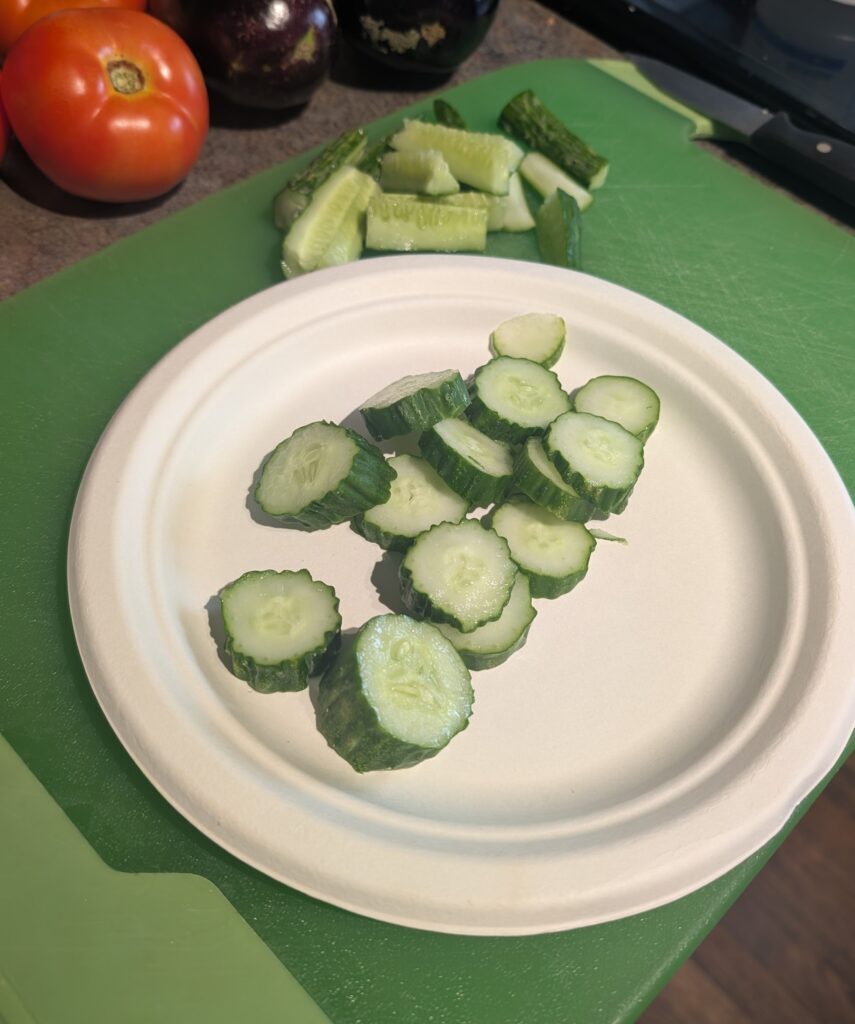
    I grew three Suyo cucumber vines, but I only got one single cucumber before they all died of milder and bug damage! The cucumber was pretty good, very mild and watery, which I like. However, I did not like the overall results here, so I am not growing them again. Diseases obliterated my vines before I could get even two cucumbers off of them!

  • Carnivorous Plant Tissue Culture Success!

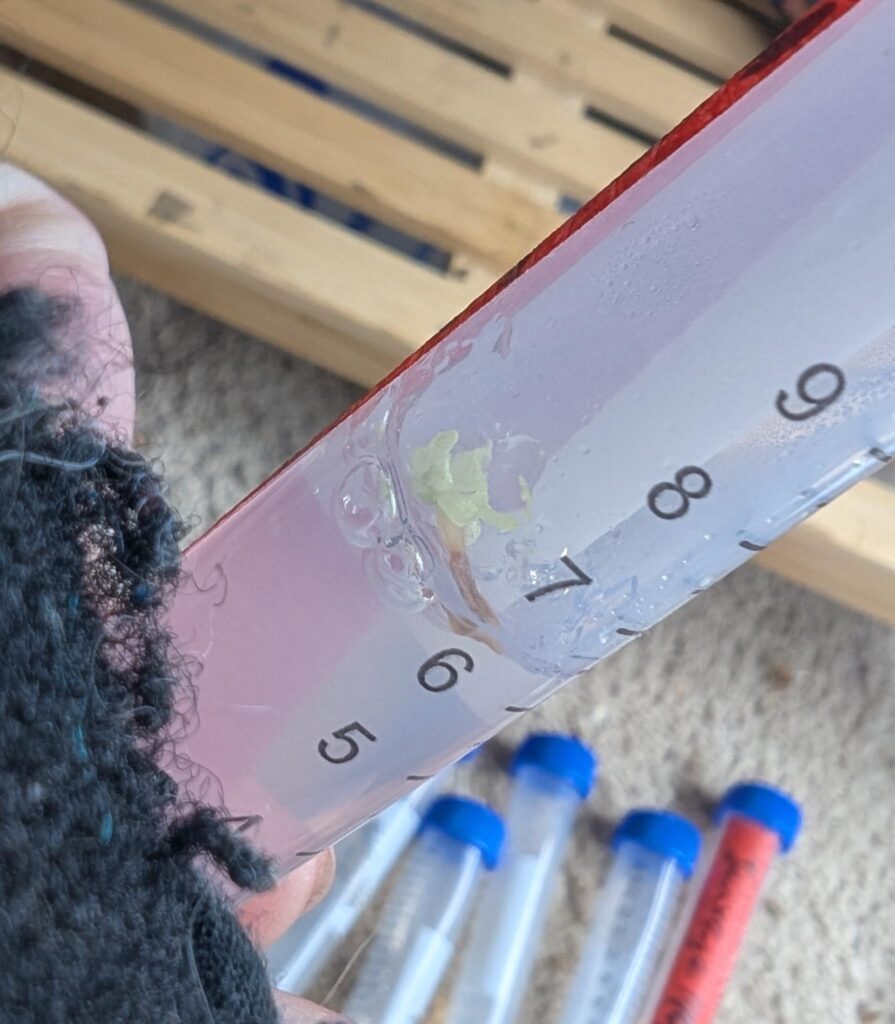
    a 15 milliliter falcon tube containing agar media and a small hybrid carnivorous plant Pinguicula jaumavensis x cyclosecta growing in tissue culture

    A Recap of Challenges

    I started my journey in carnivorous plant tissue culture late this summer. Explant sterilization in particular has been extremely difficult. In order for a section of plant tissue to grow on agar media, all microbes present with it must be removed by a chemical agent. I have observed mostly fungal contaminants in my media. Sometimes, they can actually have very interesting colors, like indigo and crimson. As interesting as that is, it’s definitely not what I want.

    The importance of sterilant choice in carnivorous plant tissue culture

    The sterilant is the chemical agent used for explant sterilization. There are many different chemicals you can choose from, most of which are chlorine based. Normally, it is a chlorine based agent. So far, I have tried two: sodium dichloroisocyanurate (NADCC), and calcium hypochlorite. Calcium hypochlorite was, in my experience, far less effective a sterliant. It was also extremely noxious to work with. Using NADCC seems to give much better chances of avoiding contamination.

    Current Success

    In November, I tried my hand at carnivorous plant tissue culture again. I did two batches of explants with 3000ppm NADCC. I used the same vacuum apparatus as last time, with unscented Castile soap again. Two jaumavensis x cyclosecta explants survived and stayed free of contaminants!

  • Plant Review: Garden Vegetables (part 1)

    This year, I began my adventures in container gardening vegetables. Here is my introduction to everything I planted. I observed a wide spread in performance of each of the varieties I grew. Please enjoy my inaugural plant review!

    Carwile’s Virginia Peanut Review

    Garden Vegetable Review Score

    Overall: 2.33/5

    Ease of growing: 2/5

    Harvest yield: 1/5

    Harvest quality: 4/5

    Would I grow it again? No.

    Explanation

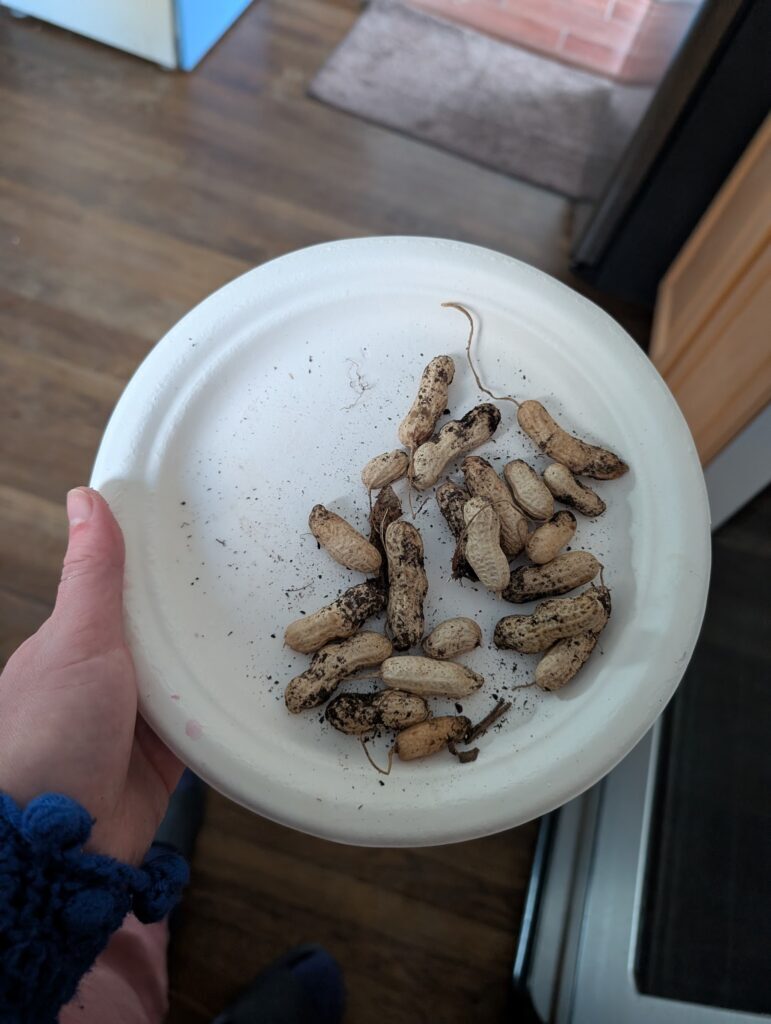
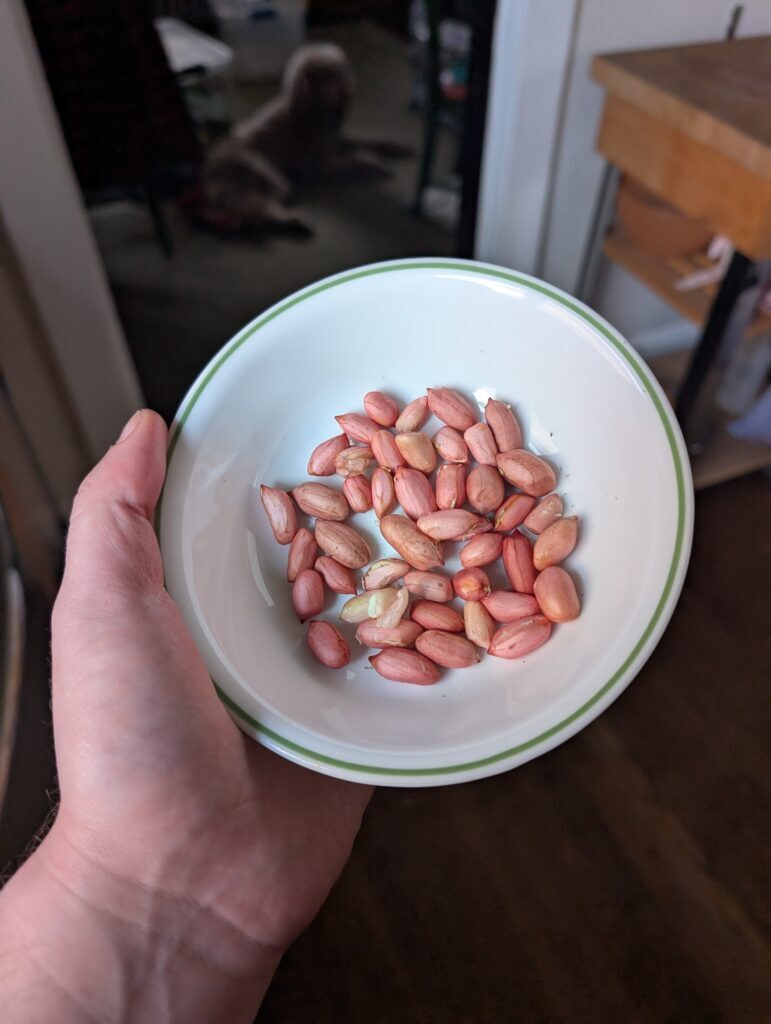
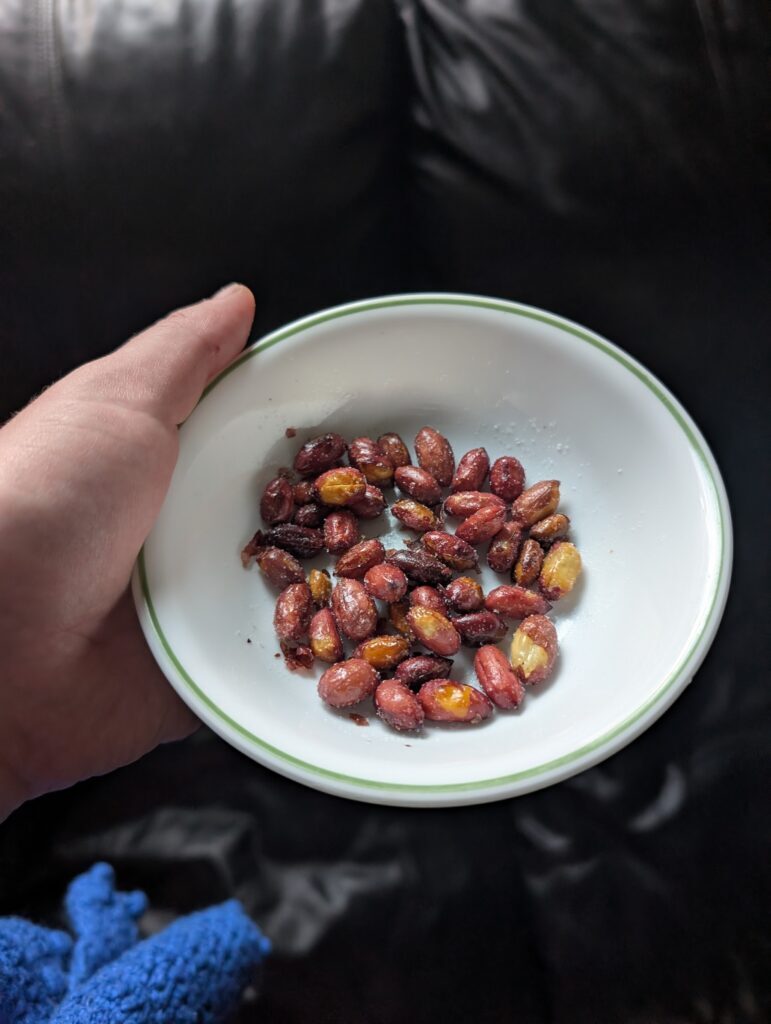
    My peanut yield was incredibly low, but the nuts I did get were delicious. I am uncertain about what could have caused the low yield. Speculating only, it could be too much nitrogen in the potting mix plus no inoculant. Peanuts need bacteria to enter their roots so they can fix their own nitrogen. Normally, people inoculate their peanuts with a microbial mix. I did not. The peanuts I did get were extremely good. They were flavorful, excellent pan fried with salt.

    Thai Red Roselle Review

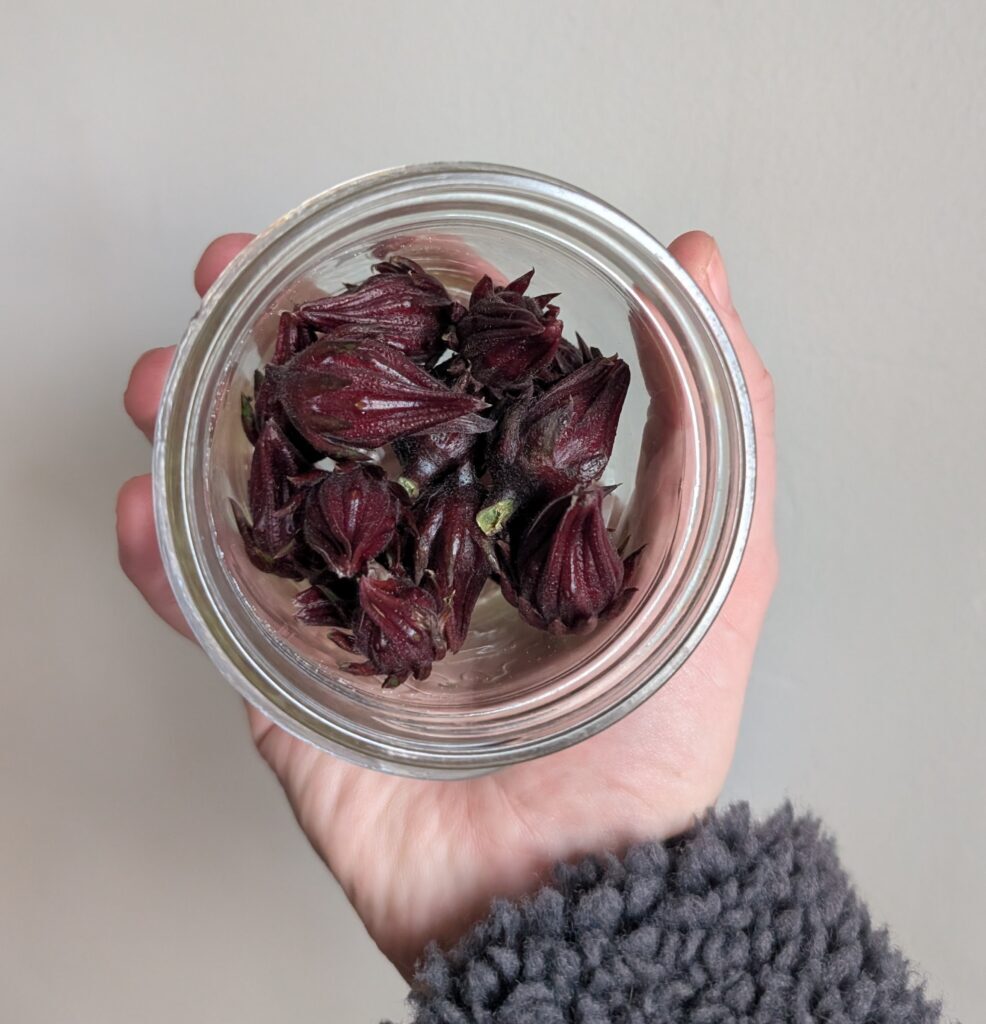
    an 8oz mason jar of Thai red roselle calyxes held in hand

    Garden Vegetable Review Score

    Overall: 3.67

    Ease of growing: 3/5

    Harvest yield: 3/5

    Harvest quality: 5/5

    Would I grow it again? Yes.

    Explanation

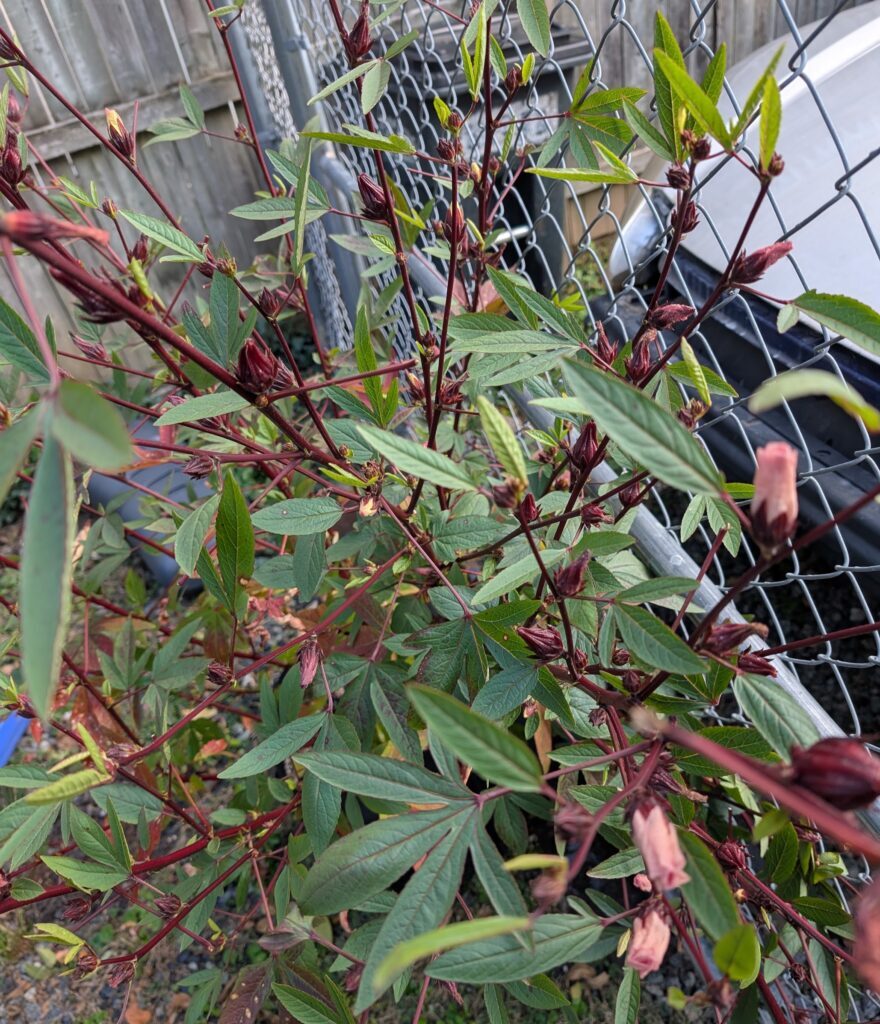
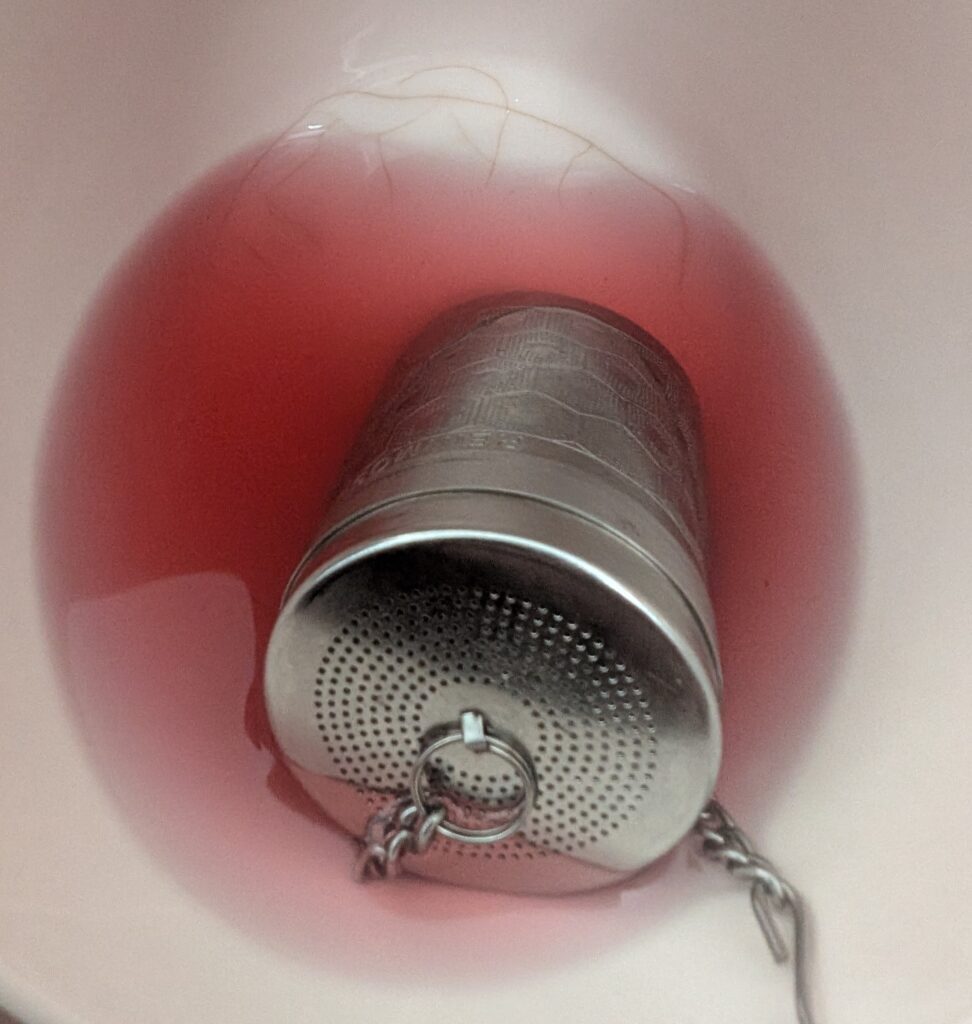
    Roselle, known by many names around the world, is quickly becoming a favorite of mine. People all over the globe love the stuff! Many parts of the plant are edible, including the leaves and the thick red calyxes that grow around the seed pod after the flower fades. Both have a tart, citrus-like flavor. The leaves taste vegetal and the calyxes floral. The leaves make an excellent addition to any dish that would benefit from citrus flavor. I enjoyed adding it to stir fries. The dried calyxes make a delicious sour, floral tea that I enjoy with added ginger root and sugar.

    My only note is that I will need to start the plants indoors in late February. I did not get many calyxes before cold killed the plant here in USDA zone 7. This plant grows slowly, loves the heat, and despises the cold. Plan ahead to get a good harvest if you live in an area with cold winters.

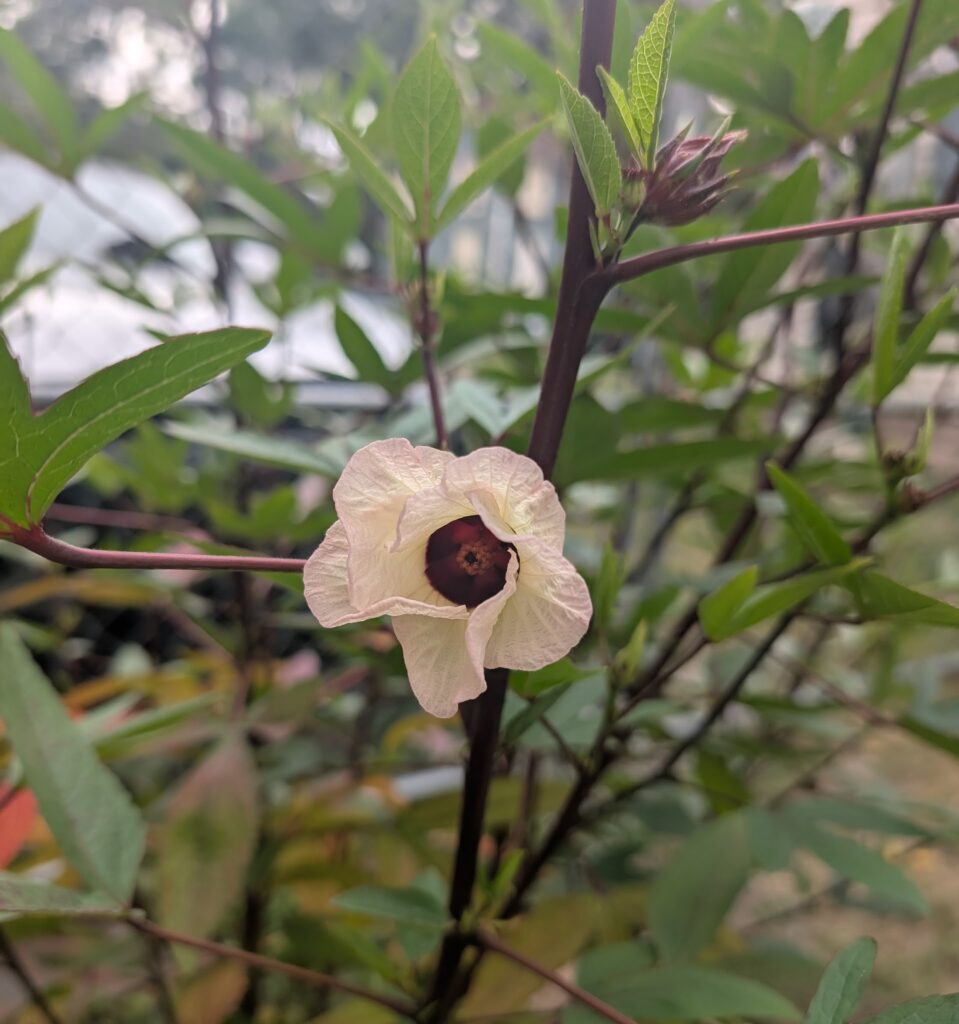
    A Thai red roselle flower. It is a hibiscus type flower with five cream petals and a dark red center.

    Stewart Zeebest Okra Review

    Garden Vegetable Review Score

    Overall: 4/5

    Ease of growing: 4/5

    Harvest yield: 3/5

    Harvest quality: 5/5

    Would I grow it again? Yes.

    Explanation

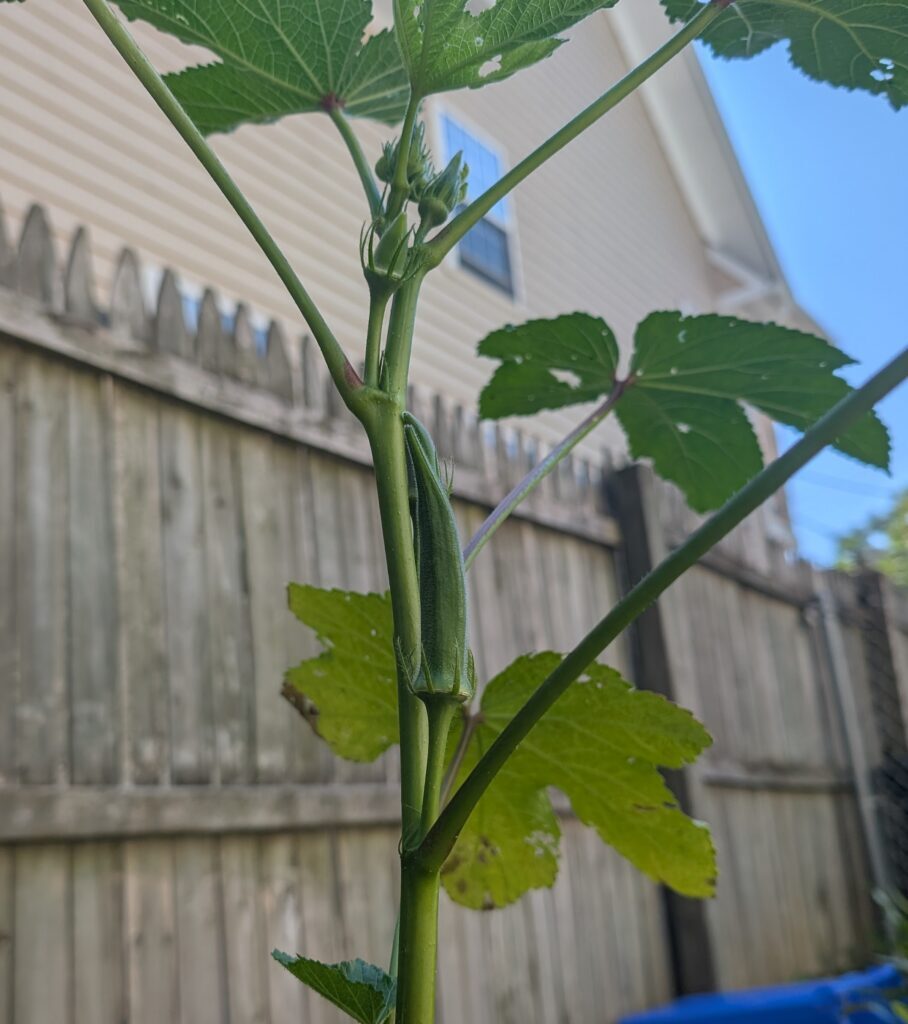
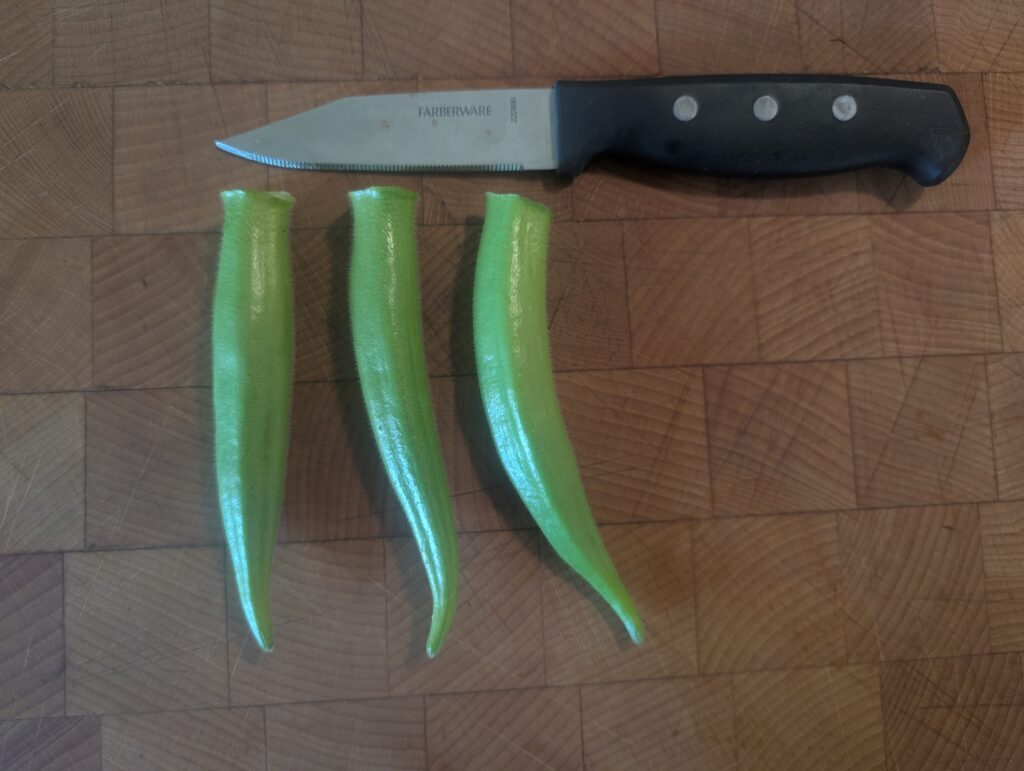
    Stewart Zeebest Okra produced tender, slim, smooth pods for me during the hot months. They were very soft and silky, with no spines and mild flavor. The pods could have grown larger than I allowed while remaining tender.

    In my opinion, they are the best simply sauteed with some caramelized shallots in butter. You don’t need much of a recipe. Just cook the shallots in butter until beginning to caramelize. Then add okra, so it cooks as the shallots finish. Salt to taste.

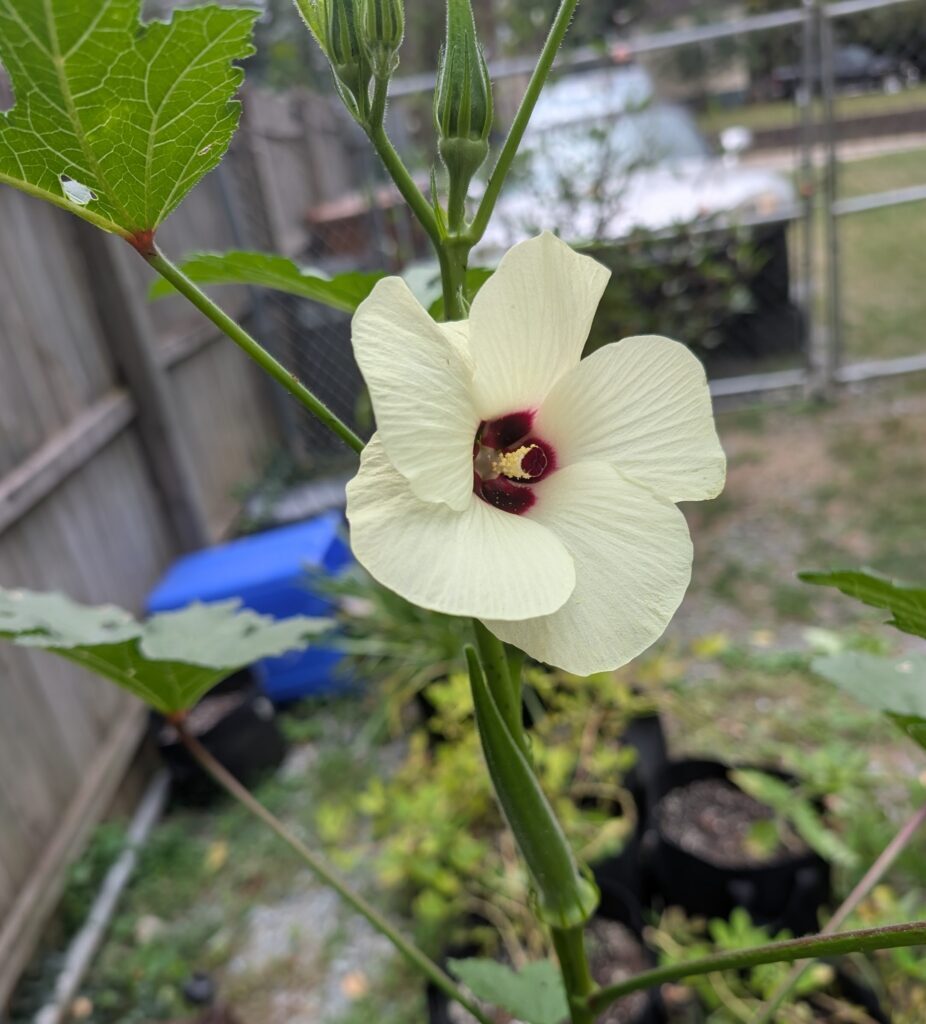
    Like the roselle, okra is a member of the hibiscus family that thrives in hot weather. Also like the roselle, I would have gotten a much larger harvest if I planted it earlier! It only needs 65 days to begin producing, but mine only produced for a month or two before cold hit. They would have produced for longer and given me more okra if direct sown in early May. Some even begin theirs indoors, but I have limited space.

    Stewart Zeebest okra pods. A small kitchen knife lying flat horizontal left to right with the blade left on a wooden cutting block. Three okra pods are beneath the knife blade perpendicular to it. They are velvety and green, smooth with no ribs or spines, and slender.

    Moon and Stars Yellow Watermelon Review

    Garden Vegetable Review Score

    Overall: 2.33/5

    Ease of growing: 2/5

    Harvest yield: 2/5

    Harvest quality: 3/5

    Would I grow it again? No.

    Explanation

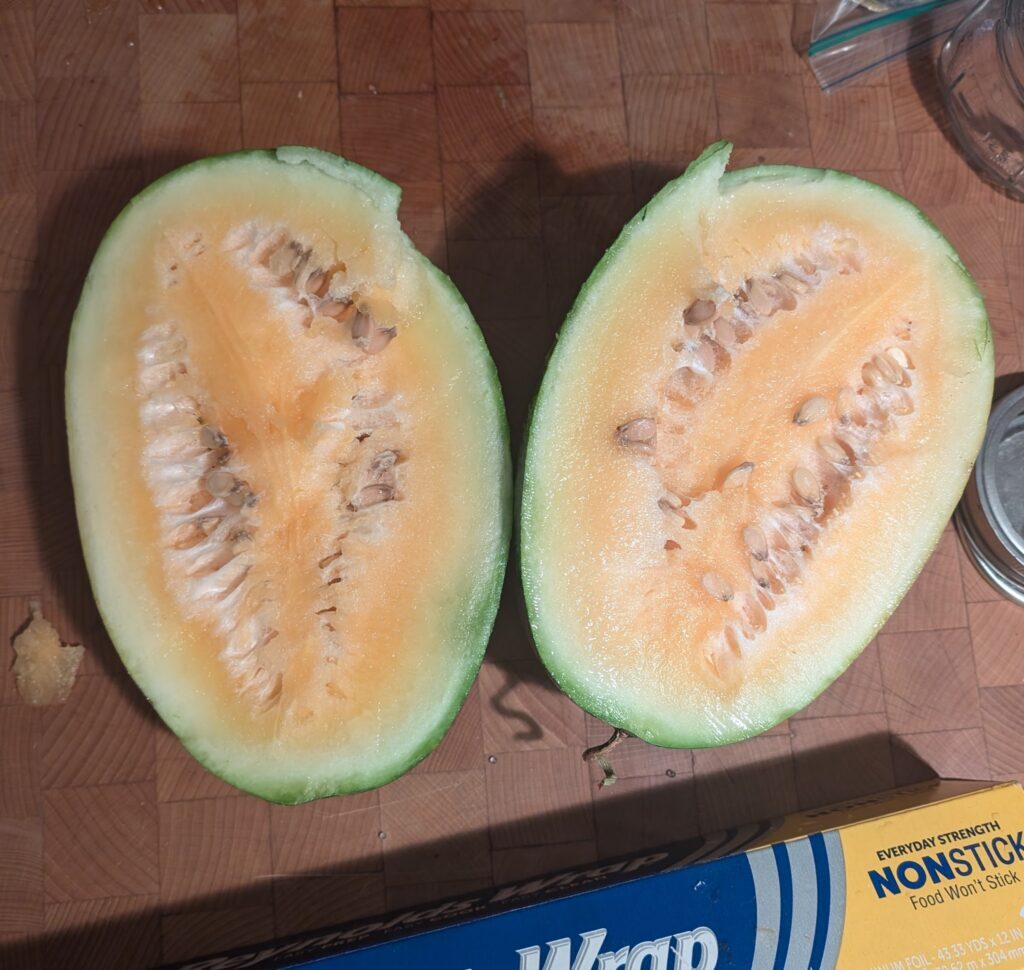
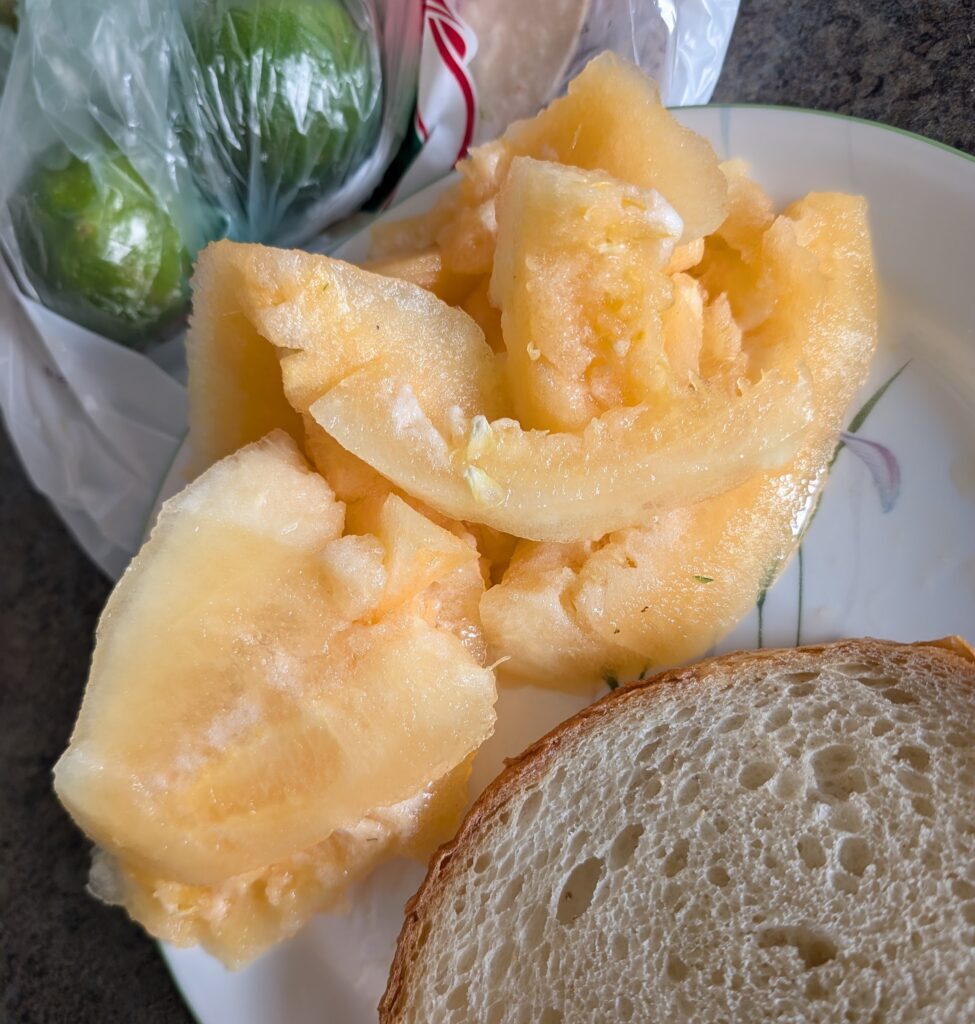
    Moon and stars yellow watermelon did turn out tasty. Yet again though, I had yield issues. The yellow fleshed, speckled-rind watermelons are striking to behold inside and out. The flesh is smooth with few strings. Even in a small melon, there was a lot of flesh without seeds. All had a clear fleshy core to the fruit. It is mildly sweet with a clear and refreshing watermelon flavor. It was lighter and more refreshing in my opinion than red watermelon. I haven’t had another melon like it.

    My melons topped out around 5lb, and I did not get many. Some rotted. Some plants didn’t grow any fruit despite constant flowering. Each melon may need more space for its roots, and higher quality, more consistent fertilizer. Hand pollination could have helped.

    Yellow watermelon flesh carved from the melon, seeds removed, on a plate next to some whole grain bread, which sits on a counter with some limes in a plastic bag nearby
  • Carnivorous Plant Show

    I had an amazing time at the Mid Atlantic Carnivorous Plant Society’s inaugural 2025 carnivorous plant show at Haverford College in Lancaster, PA!
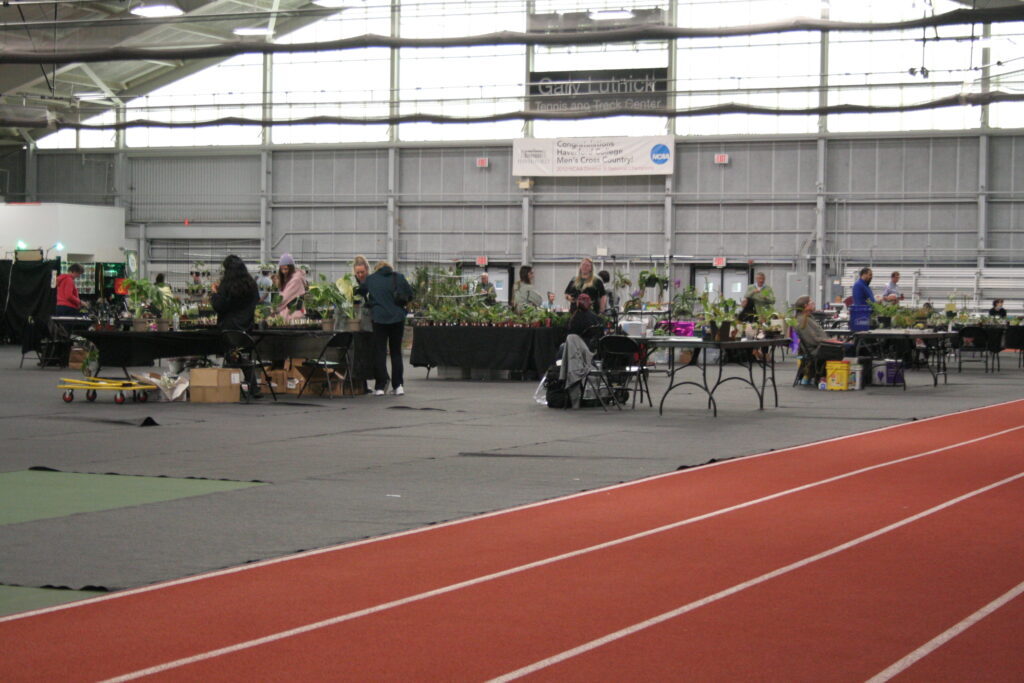
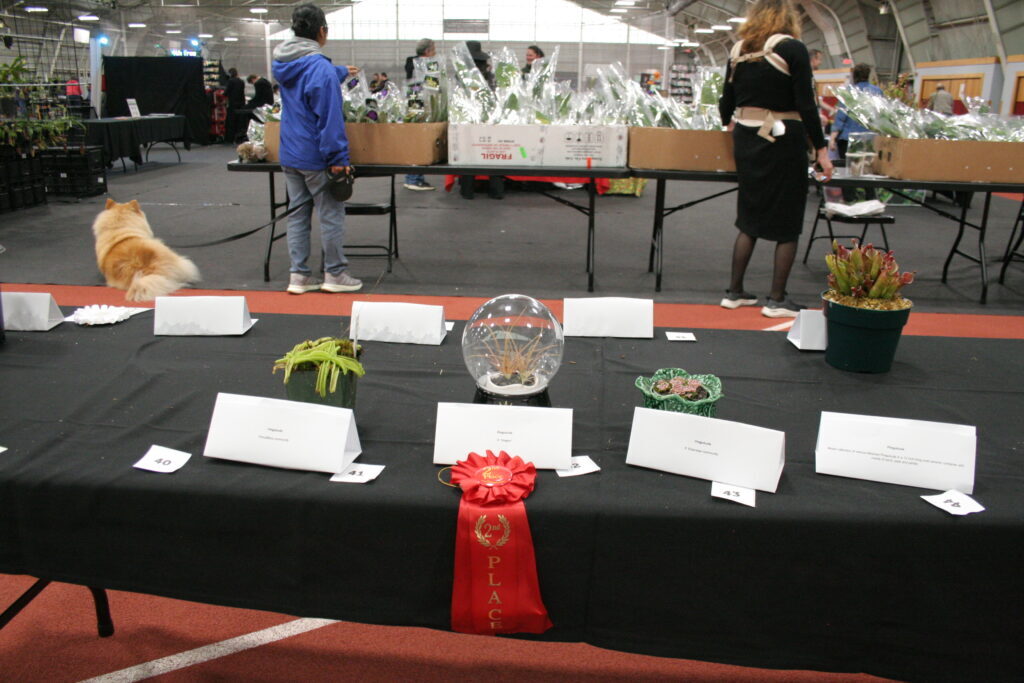
    Mid Atlantic Carnivorous Plant Society 2025 carnivorous plant show in the field house at Haverford College in Lancaster, Pennsylvania, USA. Vendors set up tables inside an indoor track arena.
    This was the first time I tabled as a vendor, and the first time I went to a carnivorous plant show. I had a wonderful experience and I am extremely grateful to MACPS for coordinating and hosting this event. There were about 300 people attending, enough for consistent engagement at my table but not overwhelming.

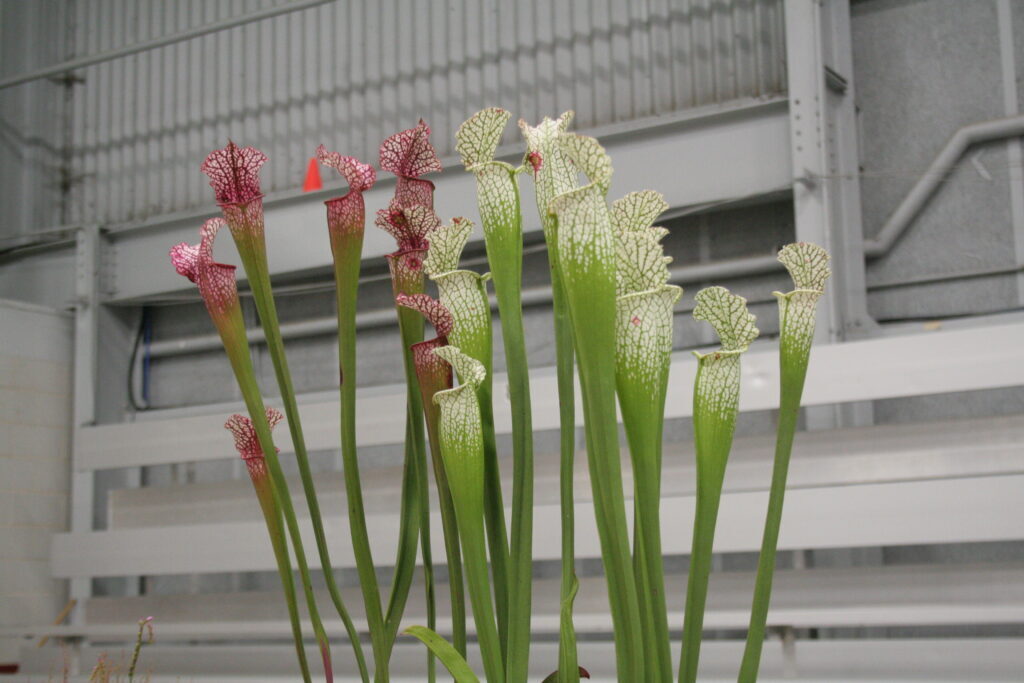
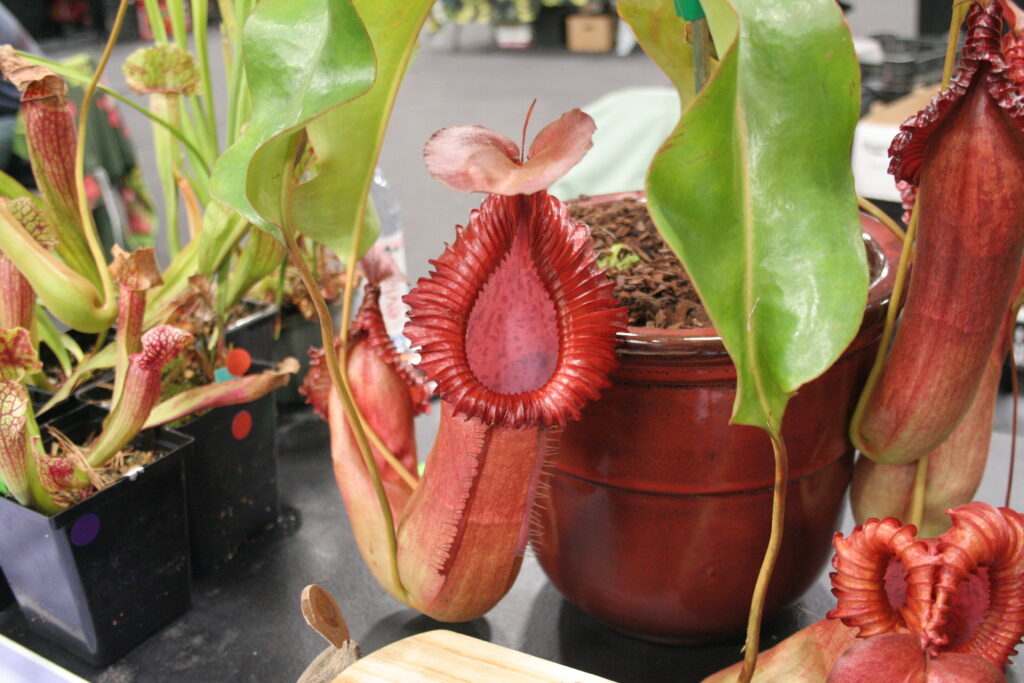
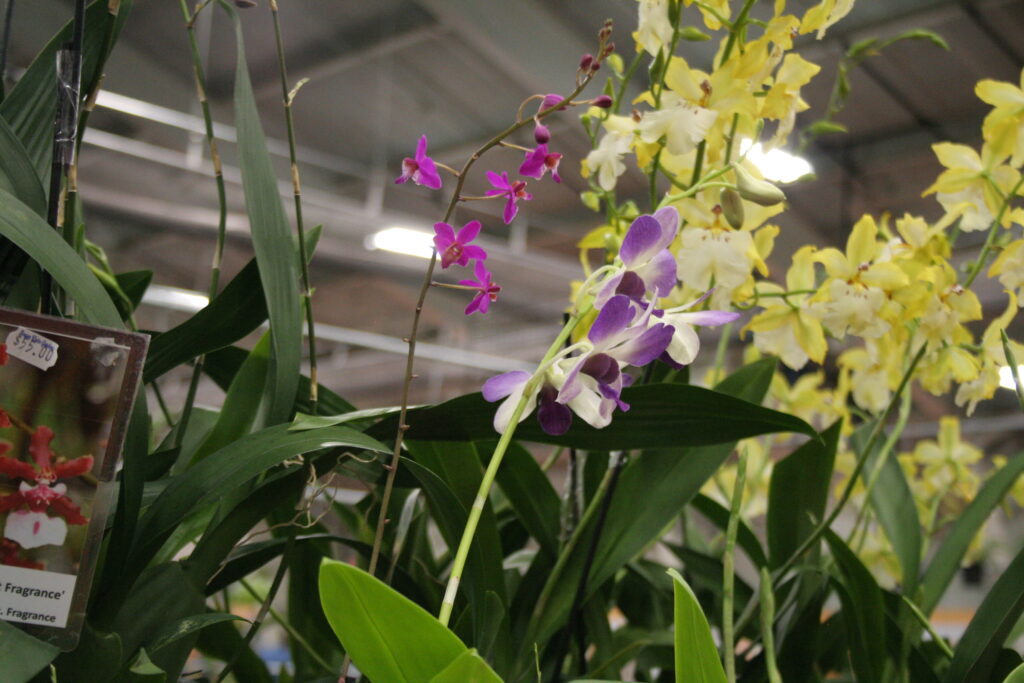
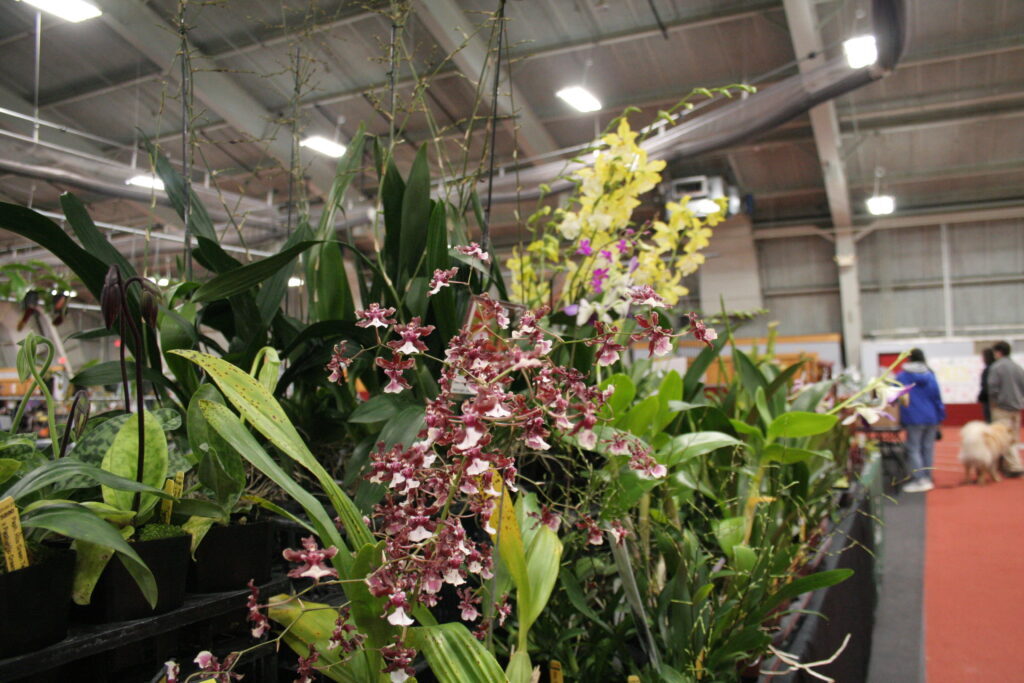
    I was one of about a dozen vendors there. Most had some kind of carnivorous plant, but a few had orchids and one even had bonsai trees. Sarracenia, or American pitcher plants, were very popular, as were Nepenthes, or tropical pitcher plants. Pinguicula were a small but distinct presence at many booths, and the star of the show at a few, counting myself.

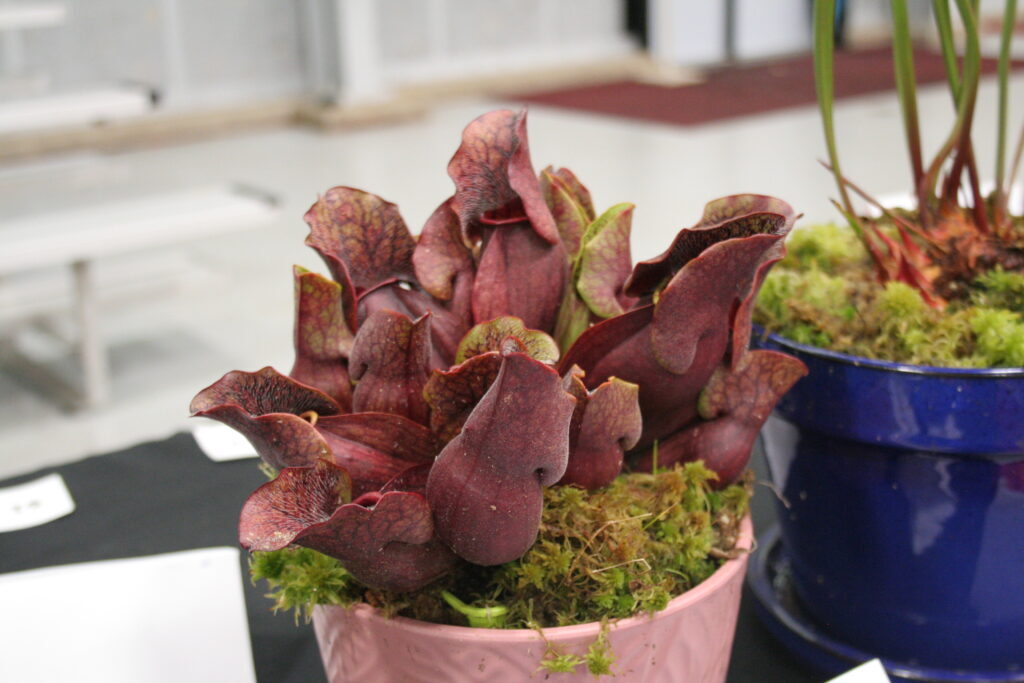
    Two different types of Sarracenia side by side, both are tall but one is green and reddish and one is all green and white with no red.
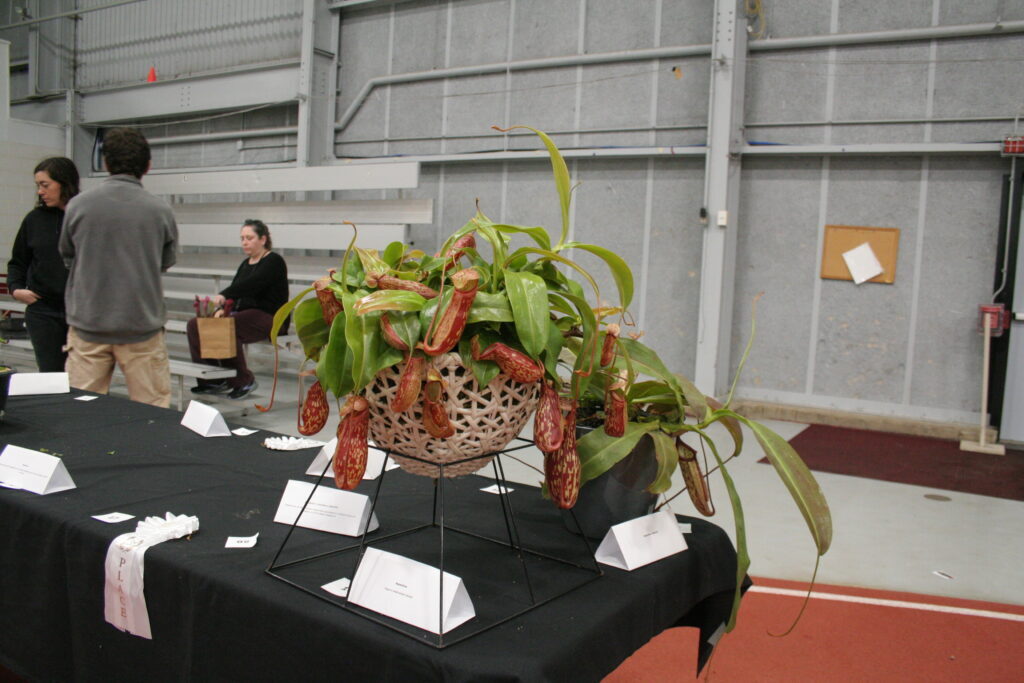
    A large Nepenthes or tropical pitcher plant pitcher at a carnivorous plant show

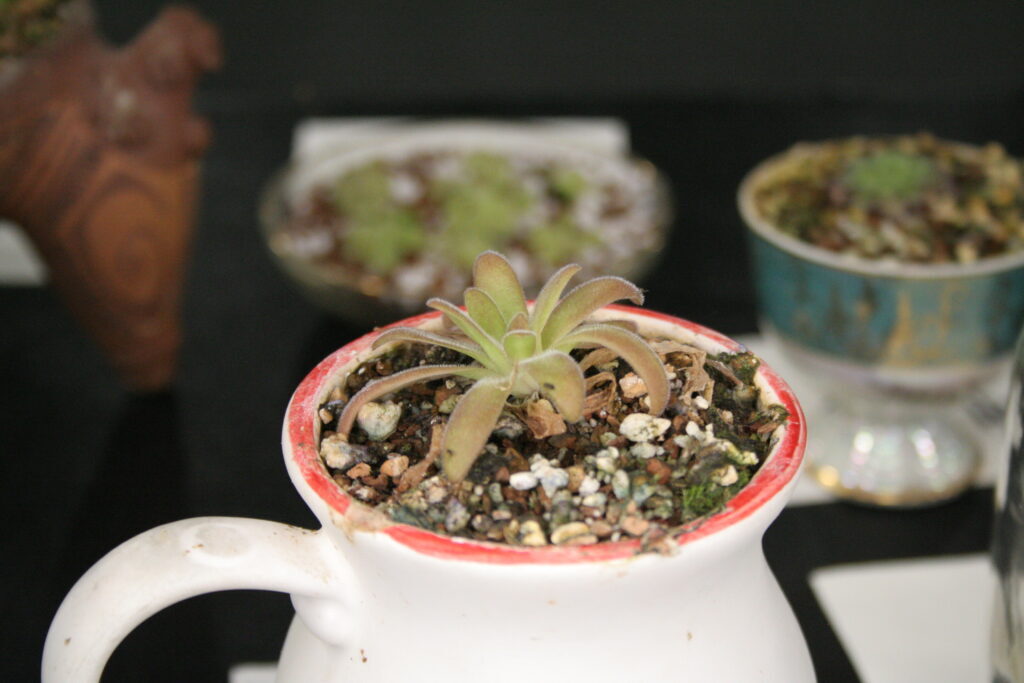
    About a month and a half before the show, a household cat got into my inventory and destroyed the majority of it. This sent me scrambling to put together arrangements to sell with extras from my surviving collection. I decided to sell ping soil and small, non-draining containers I thrifted, since pings can grow in those. I also had three Echinopsis cactus cuttings for sale, two of which were a complex hybrid from Prickocereus with monstrose growth forms.

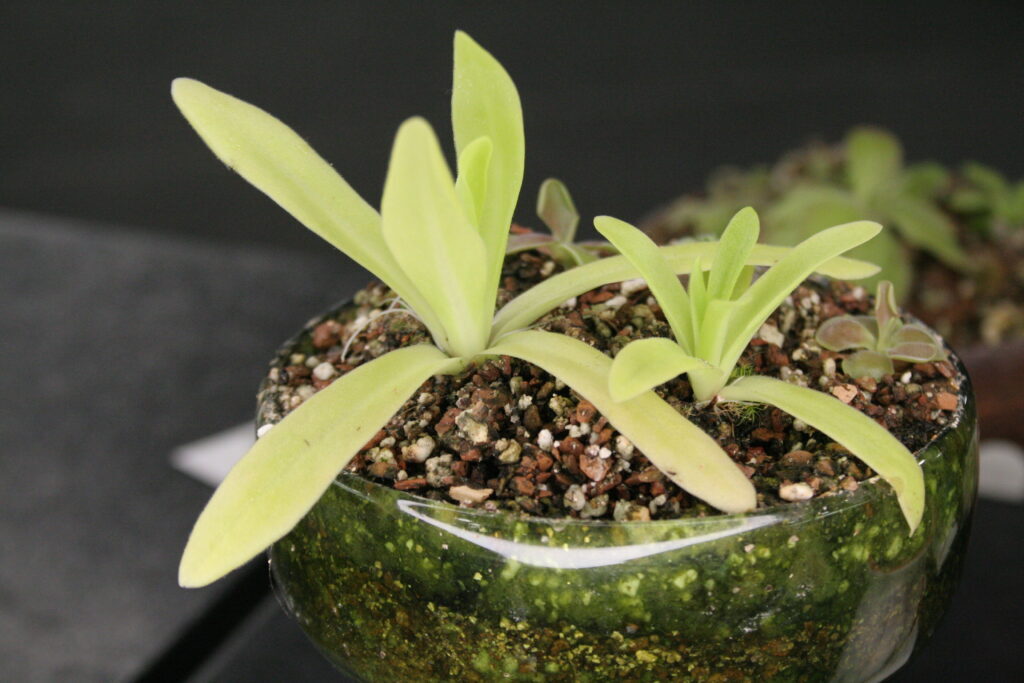
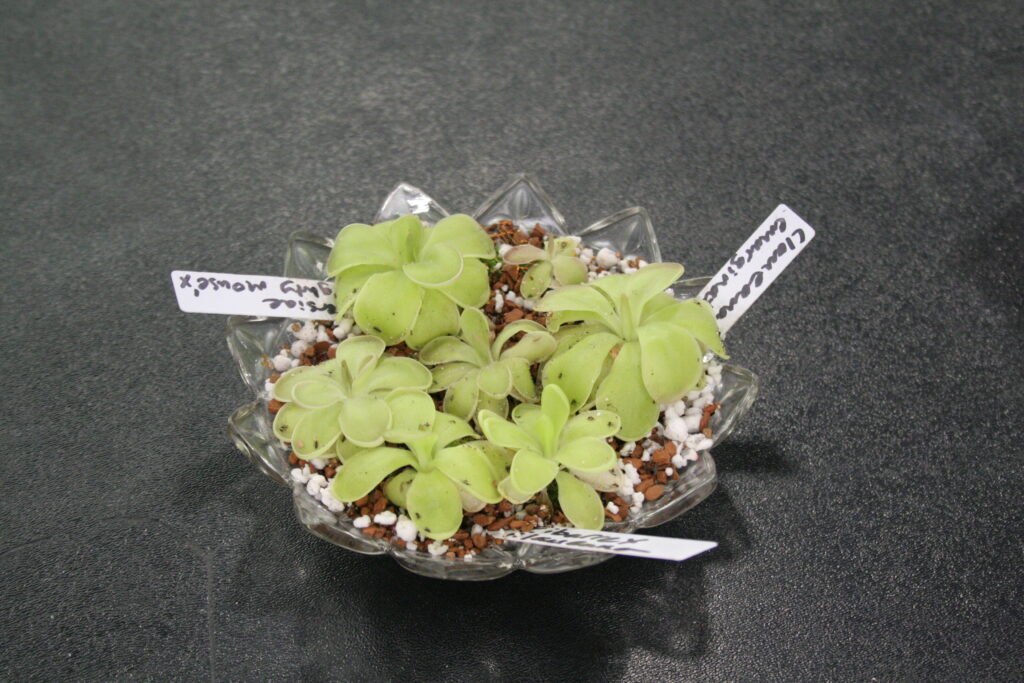
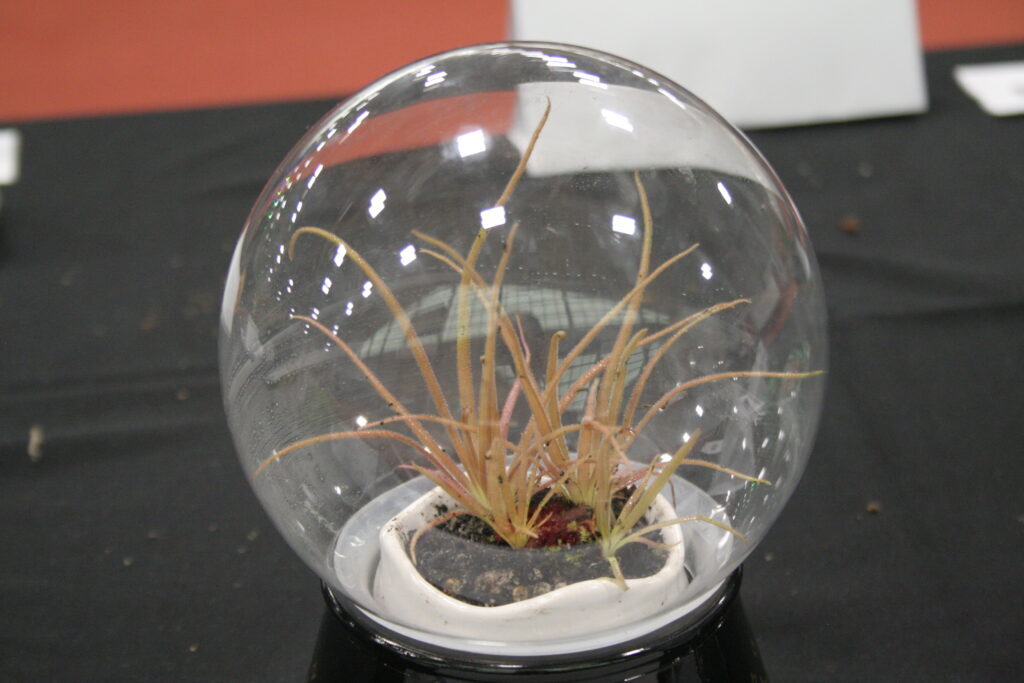
    In addition to items for sale, I presented several display items. The one I am most proud of is a small bonbon dish with three seed grown in-house hybrids (bottom image of next gallery). The plants in the dish are: P. moranensis ‘Kewensis’ x P. ‘Seductora,’ P. laueana x P. ibarre, and P. laueana “Red” x P. ehlersiae “Mighty Mouse.”

    The following gallery is of my table, my items for sale, and my items on display.

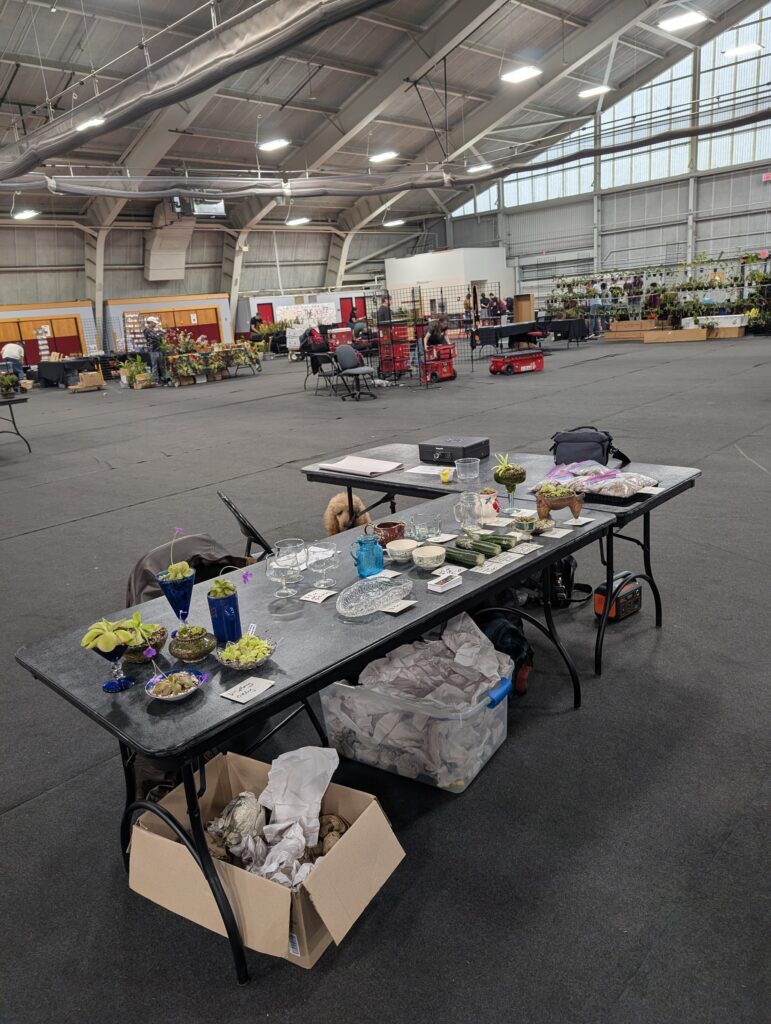
    My table at the carnivorous plant show with arrangements and items for sale plus containers. My dog's head pokes out from behind the table and there are other tables in the background.
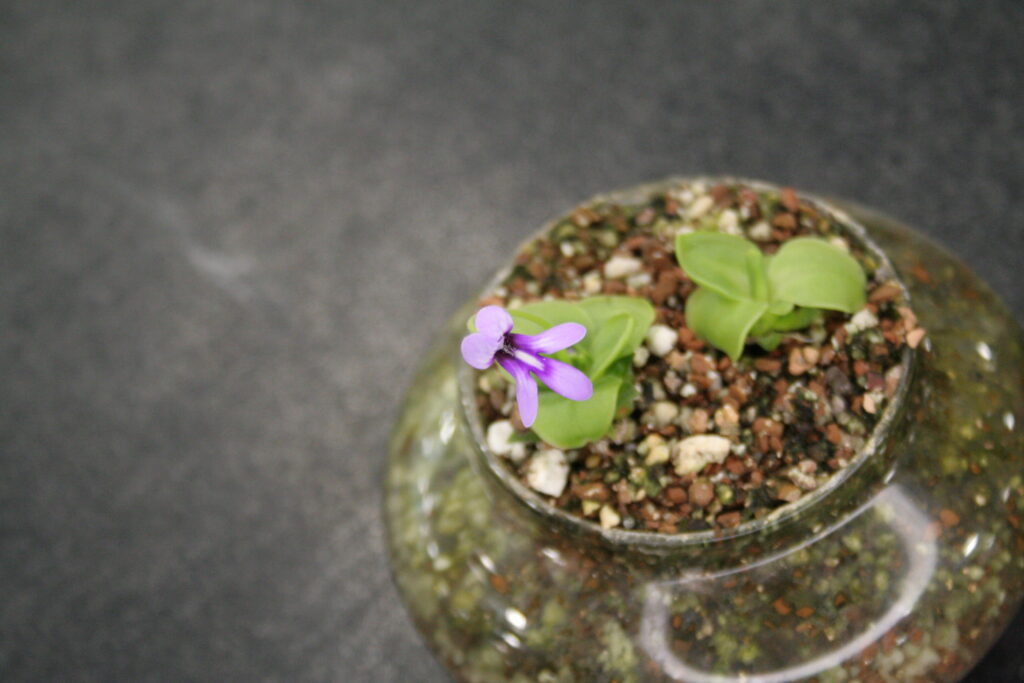
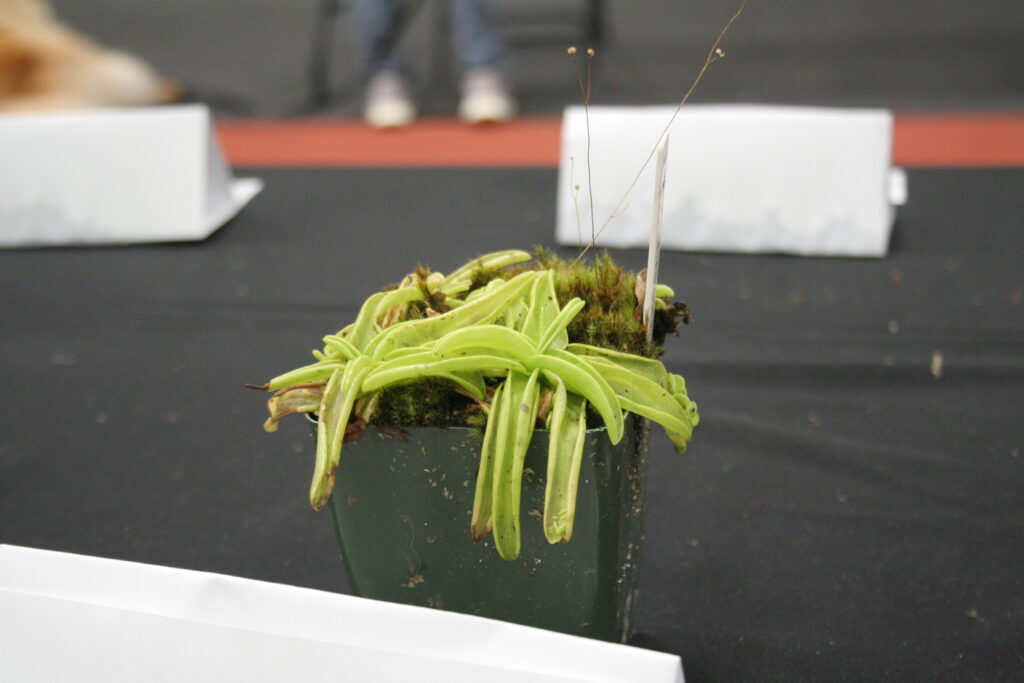
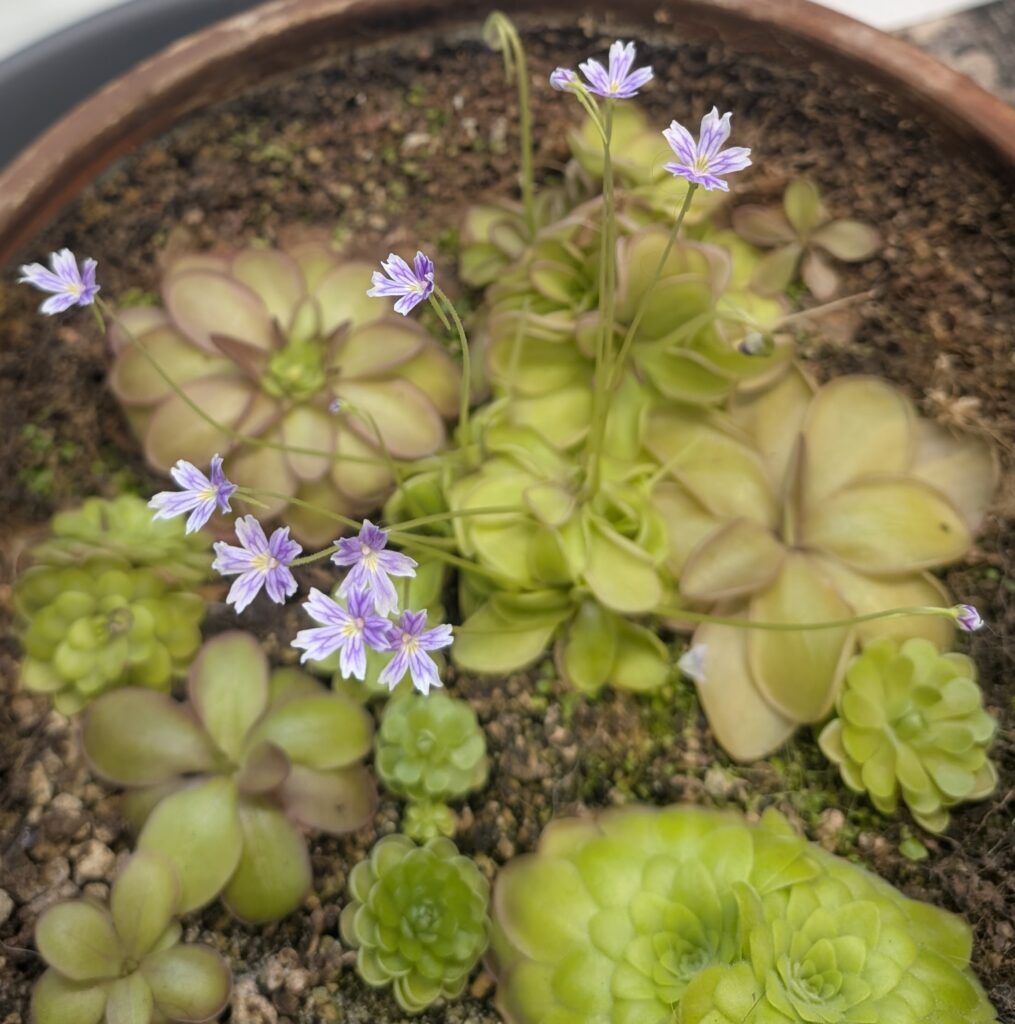
    A carnivorous plant arrangement with Pinguicula macrophylla in flower. The flower is purple with five petals and a cream/white throat spot.
    A carnivorous plant arrangement in a bonbon dish featuring three in house  by Laueana Growing seed grown Pinguicula hybrids.

    To my surprise, my best selling item was my ping soil. It is just turface, perlite, and some vermiculite. Most carnivorous plants prefer peat perlite mix, but tropical pings are lithophytes, or plants that grow on rocks. They much prefer sandy, rocky soil.

    I also sold a few containers, one small ping arrangement, and one cactus cutting. Overall, I think I did well. I will definitely come back!

    The next gallery is of plants at the carnivorous plant show display tables.

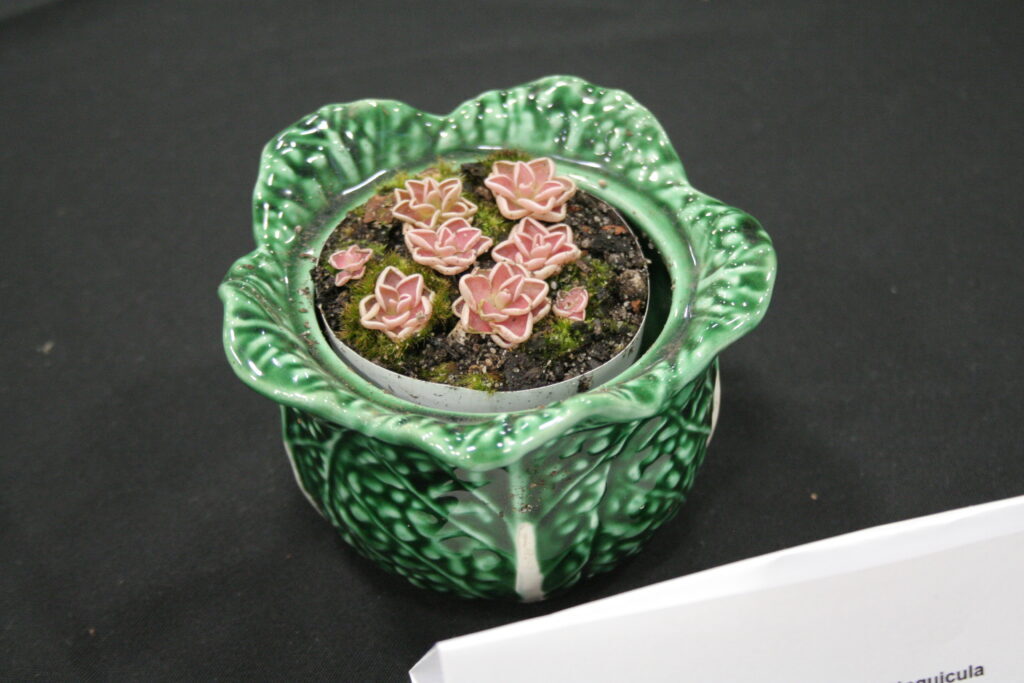
    A carnivorous plant arrangement featuring pink Pinguicula ehlersiae
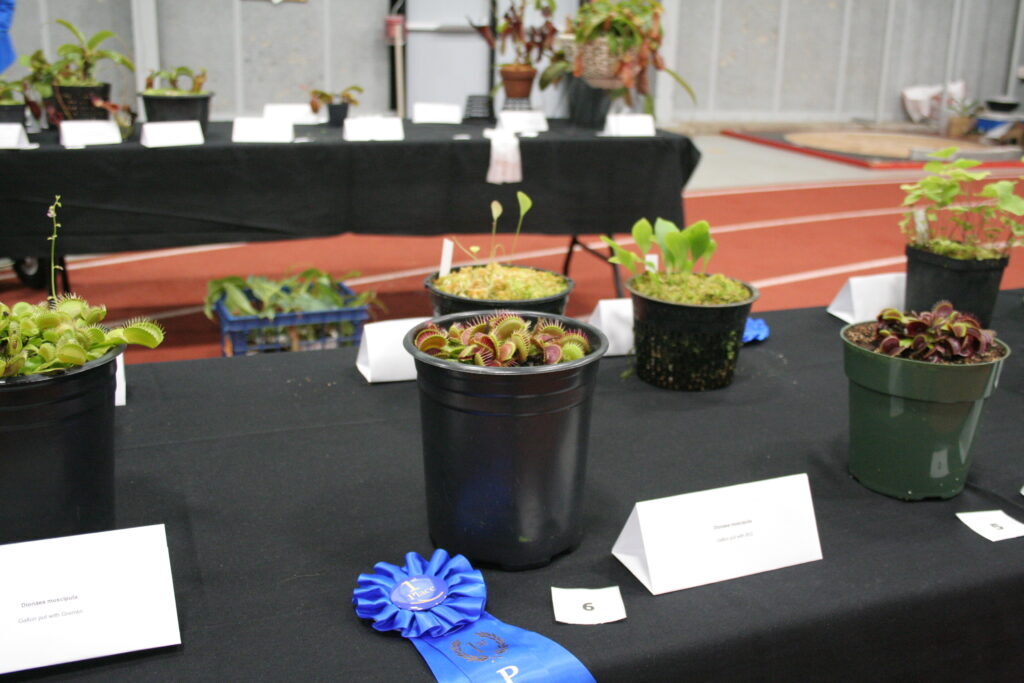
    Blue ribbon winning Dionaea (venus fly trap)
  • Plant show was totally awesome!

    I had an amazing time at the MACPS 2025 plant show! I sold a few items and handed out literally all of my business cards. I have tons of pictures to go through so stay tuned for updates on that!

  • Carnivorous Plant Tissue Culture Learning Curve

    I have continued my experiments with carnivorous plant tissue culture.

    I have been struggling with endogenous contamination in the plants. TC is always challenging, and carnivorous plant tissue culture can be especially challenging. It is one thing to be able to produce sterile agar in a jar but another to destroy microbes without destroying plant cells.

    I tried a new method by doing the explant sterilization under a vacuum and with detergent. I still used calcium hypochlorite, but I used 3% instead of 4% and extended the sterilization time from 8 to 11 minutes.

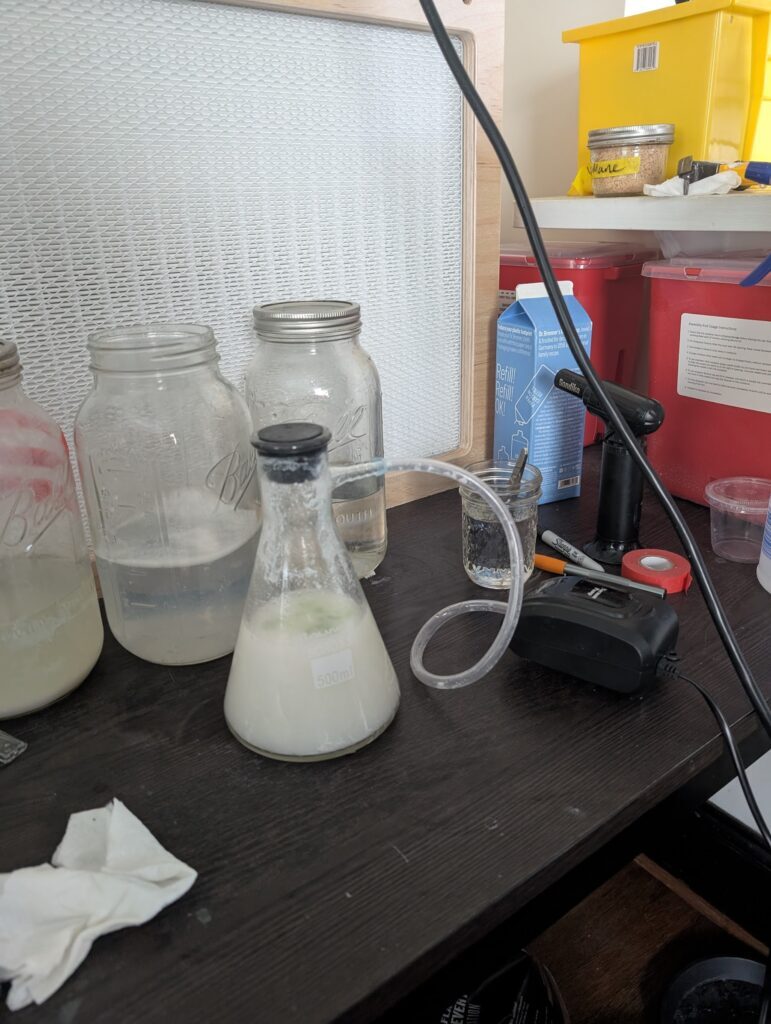
    A carnivorous plant tissue culture explant sterilization setup designed to work under a vacuum. An Erlenmeyer flask with a cork in the top and a vacuum extension is attached to a small laboratory vacuum by a tube. In the flask is calcium hypochlorite and detergent solution and the explants. It sits in front of a flow hood.

    The vacuum setup functioned well mechanically. However, many of the explants died, got contaminated, or both, as before. I think I will likely need to change sterilants from calcium hypochlorite to NaDCC. It is more stable and effective, and less toxic.

  • Early July Garden Progress

    “Knee high by July?” Get on my level!

    I don’t have much to say other than that, so enjoy some photos!

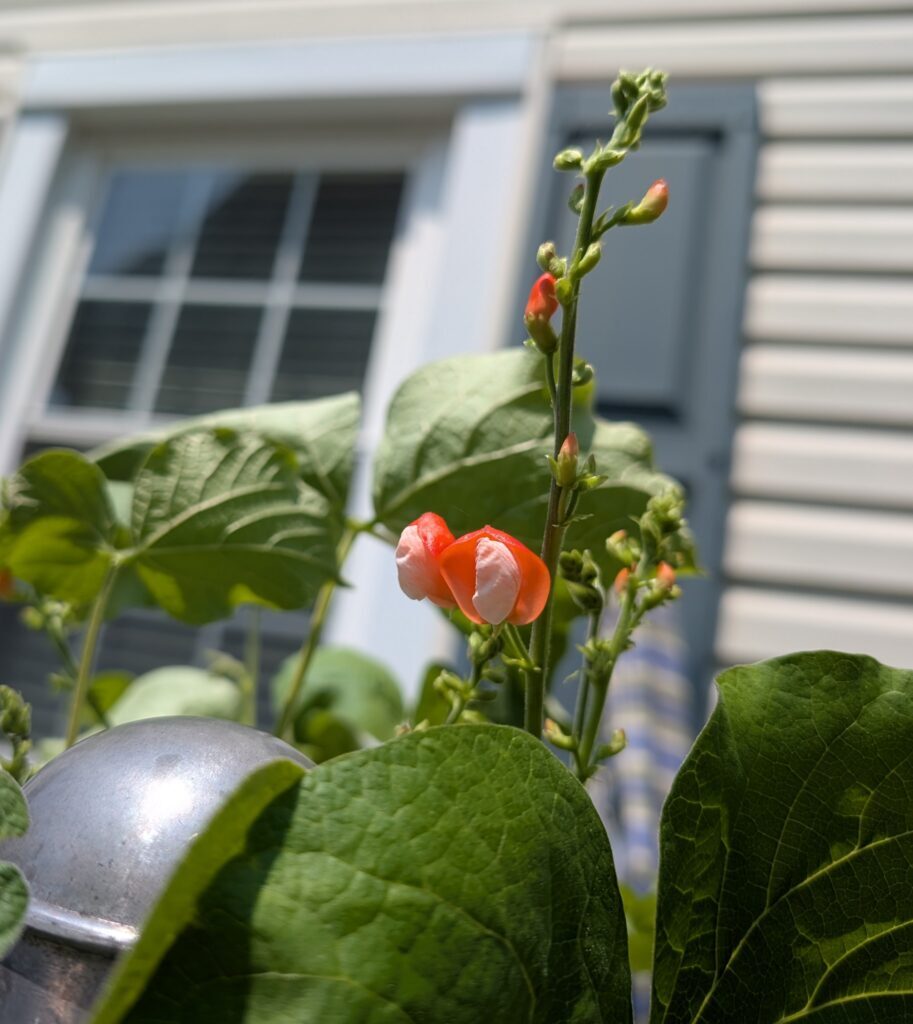
    Painted Lady runner bean flowers opened on July 4 2025

    Runner bean sprouts on June 2nd, and runner bean plants on July 1. They grew well over 6ft in 29 days!

    Stewart Zeebest okra sprout, direct sown 3rd week of June

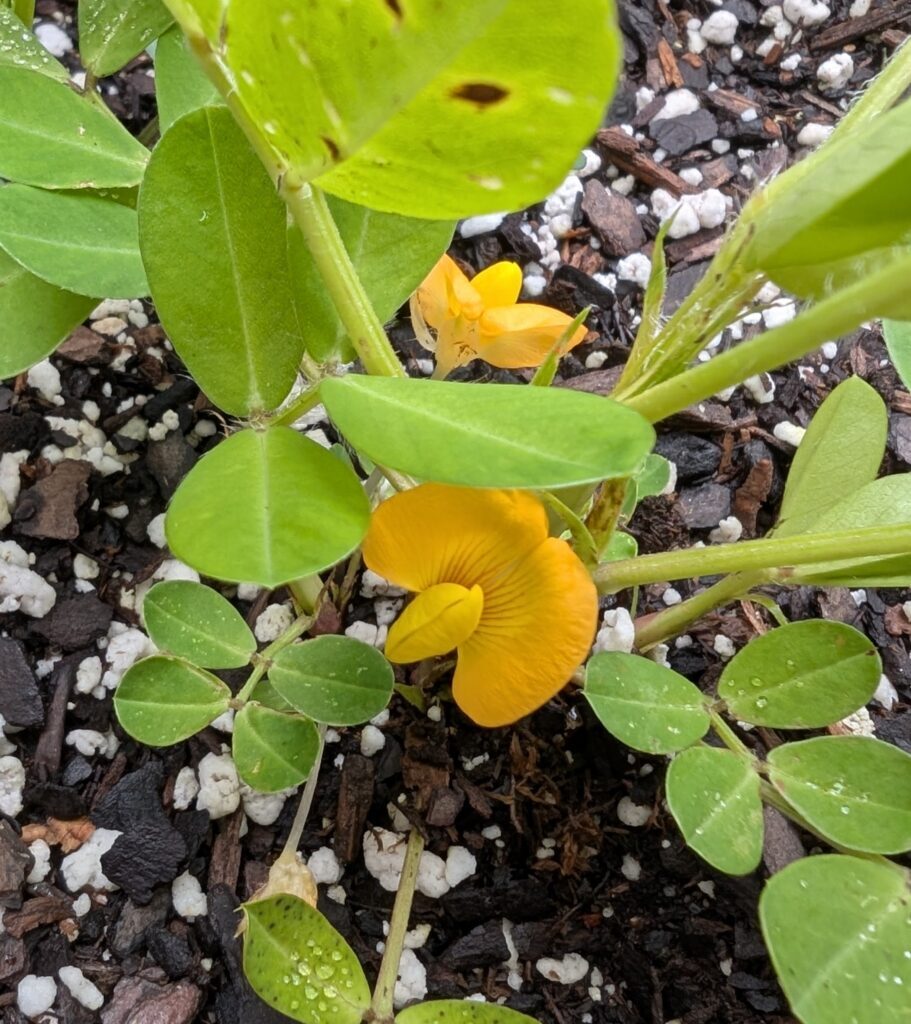
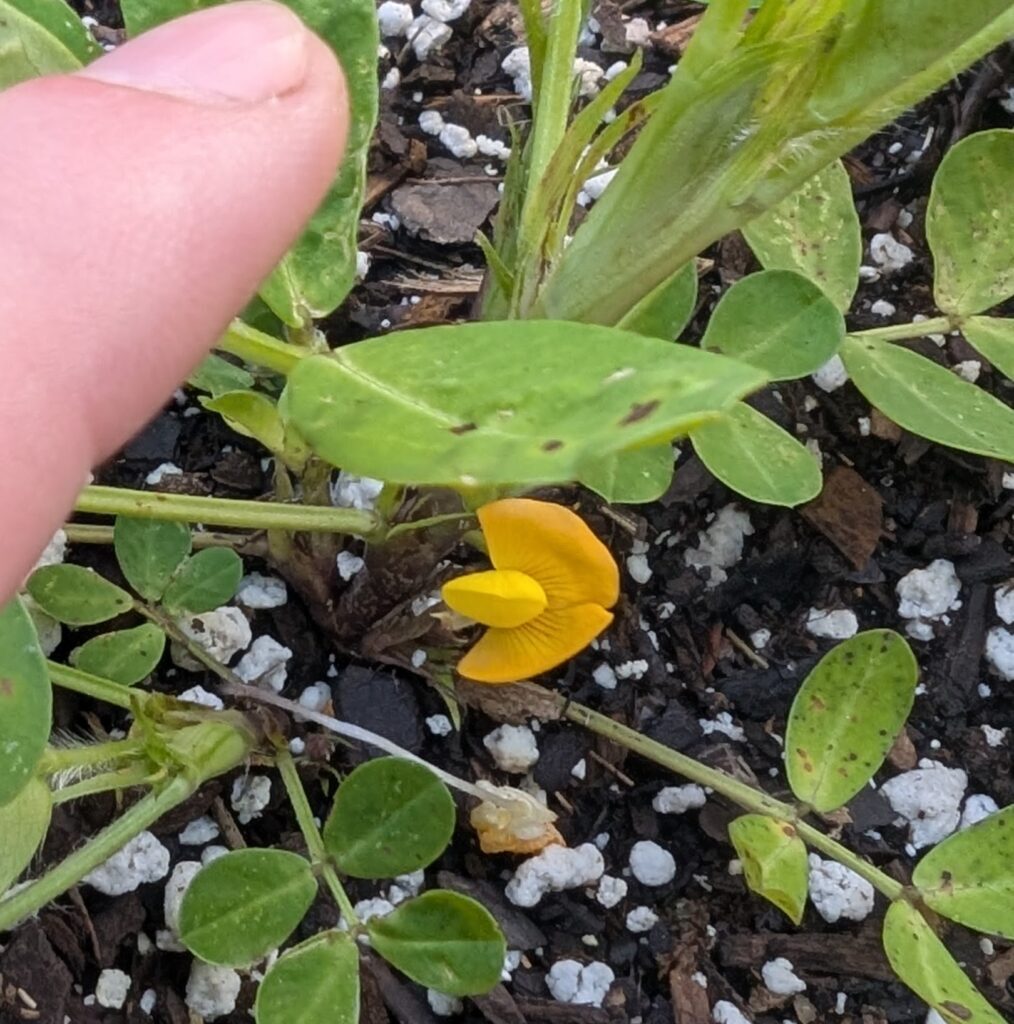
    Carwile’s Virginia peanut blooms. The rain in mid June caused the pegs to rot, but there are more flowers and pegs forming.

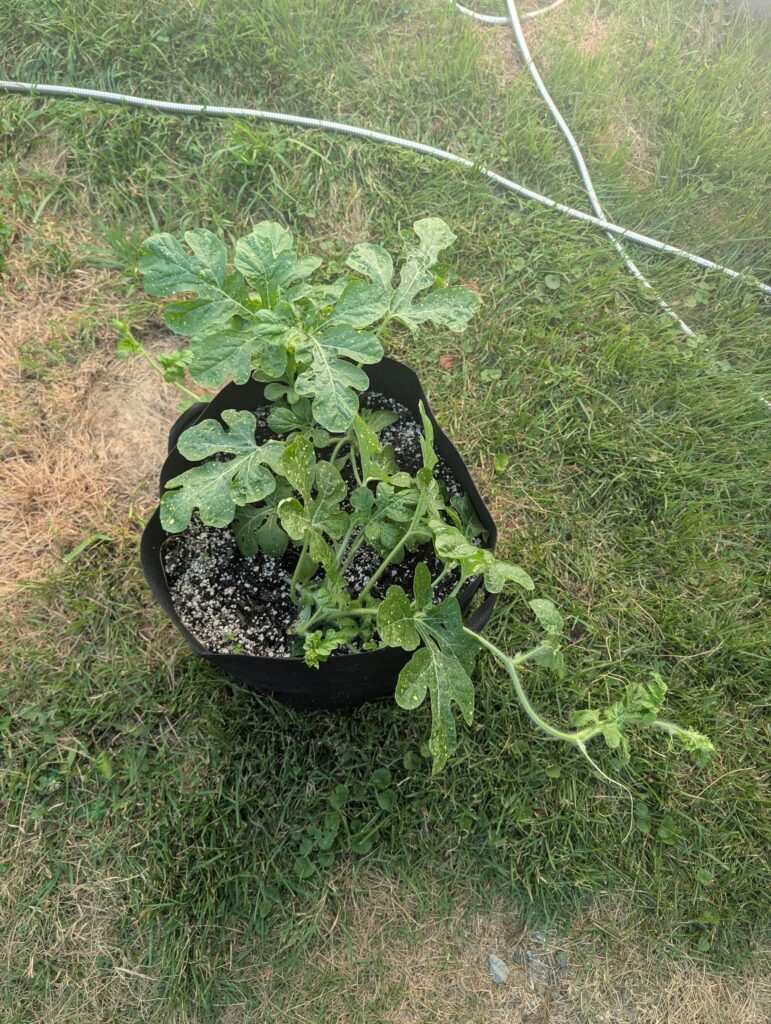
    Moon and Stars watermelon plants

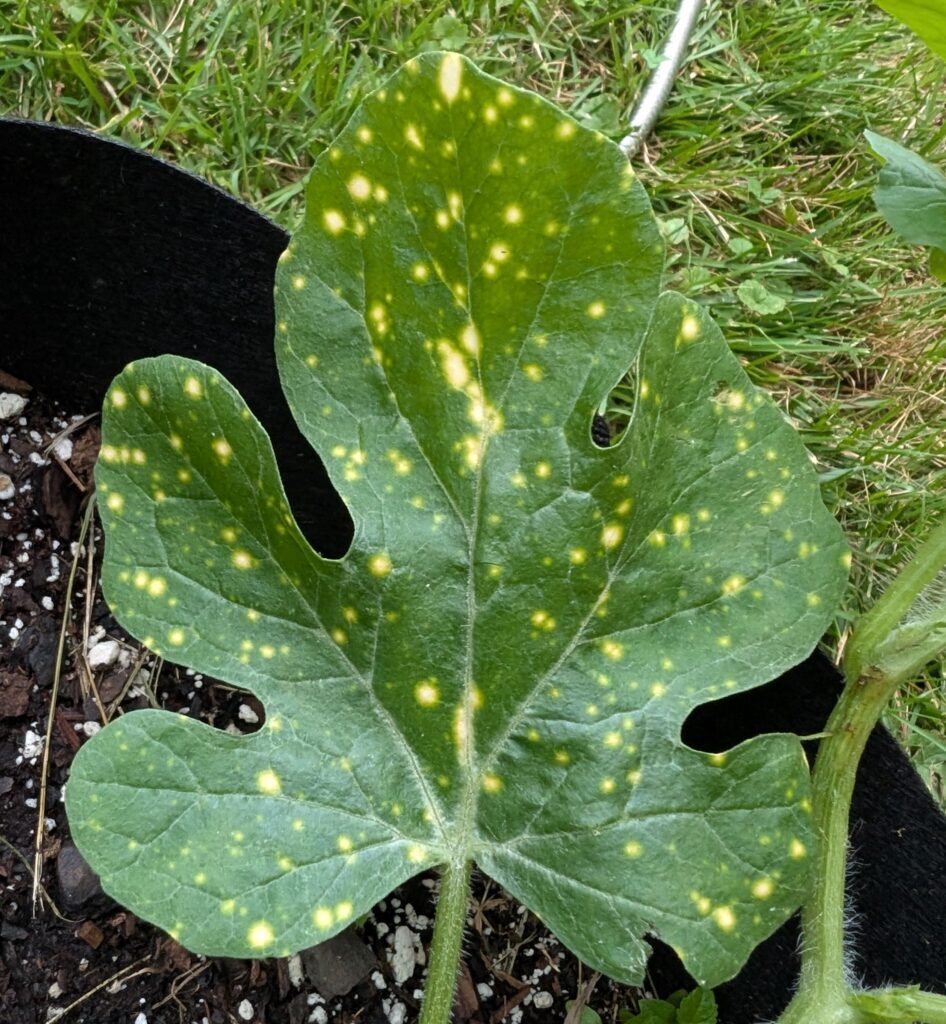
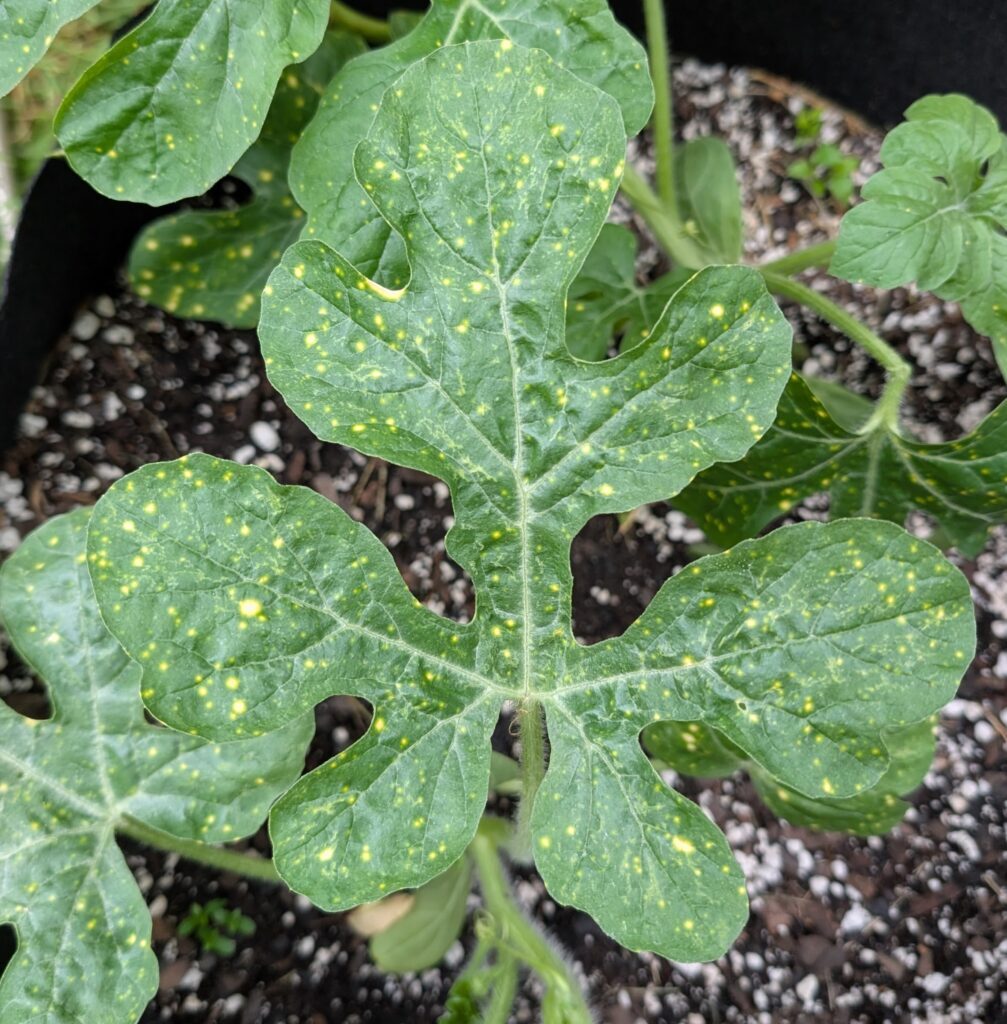
    Moon and Stars watermelon leaves, showing “stars”

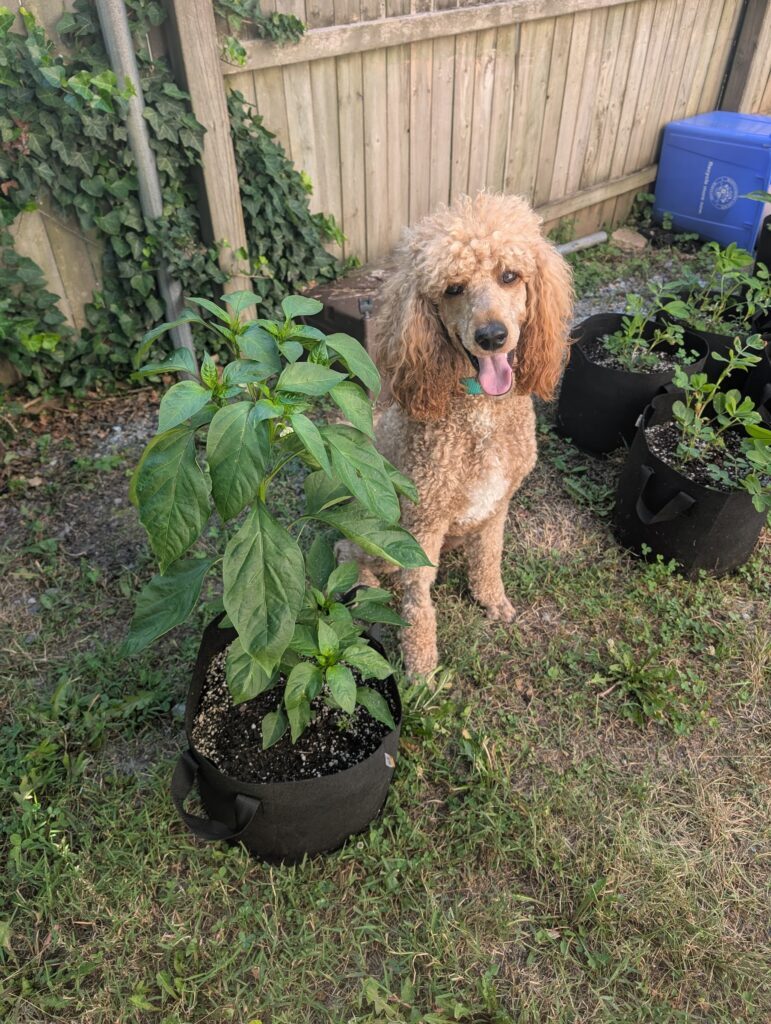
    Russett, my 50lb 21″ at the shoulders standard Poodle, sitting next to my beastly Rezha pepper.

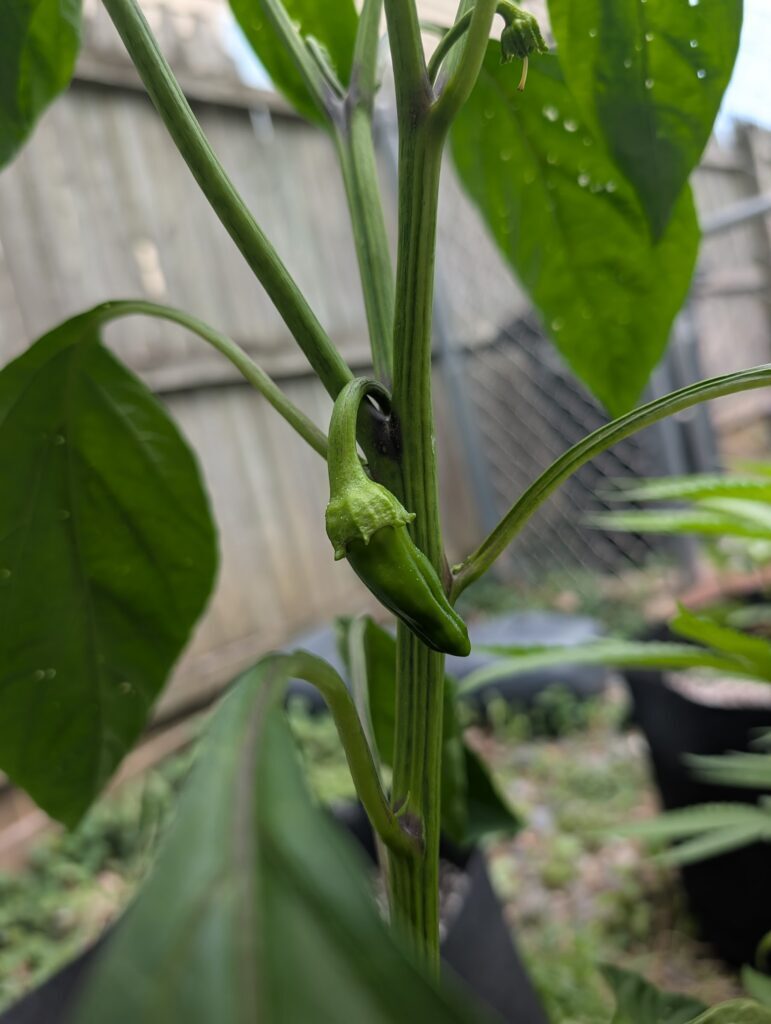
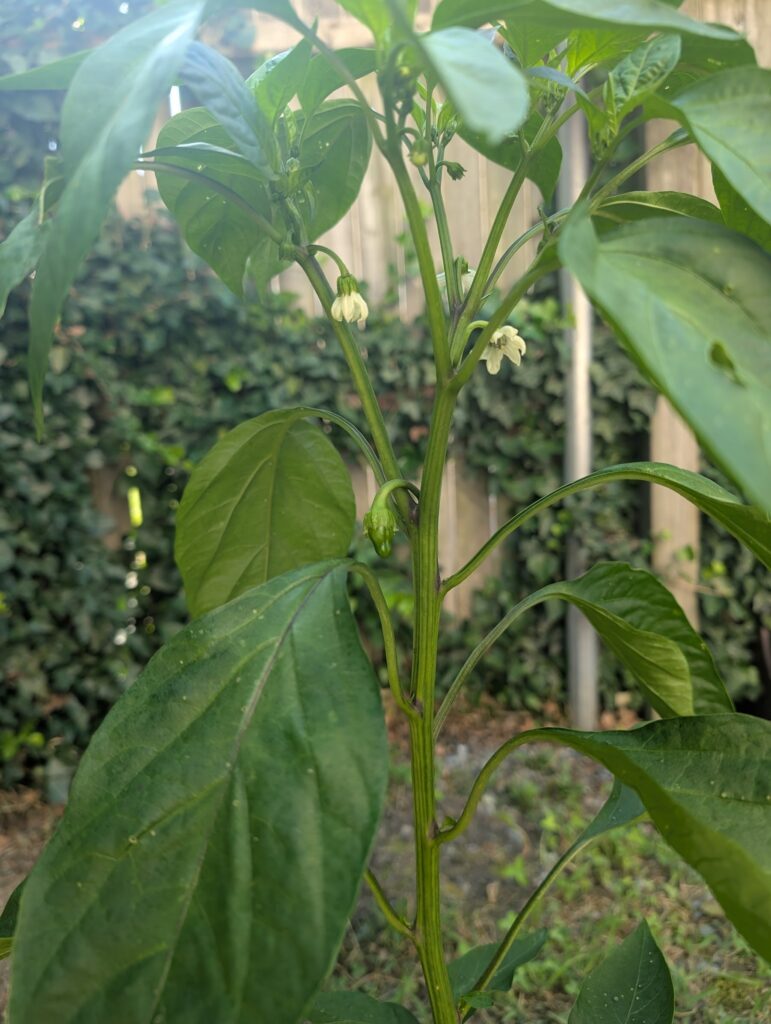
    Rezha pepper and some blooms on the plant

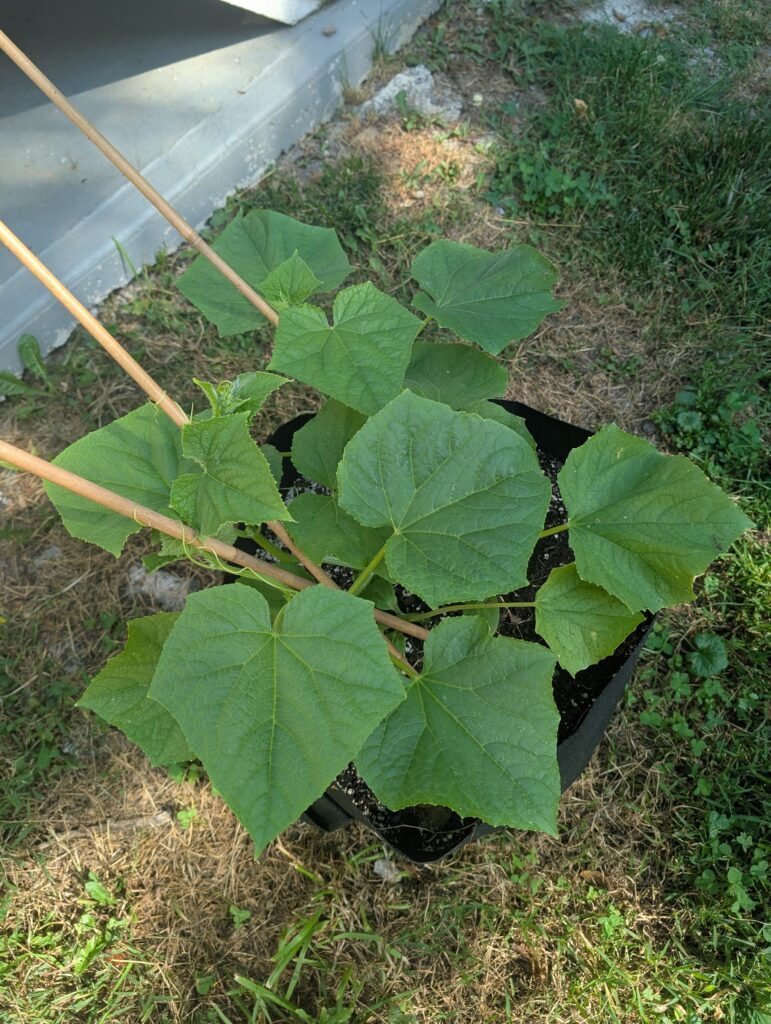
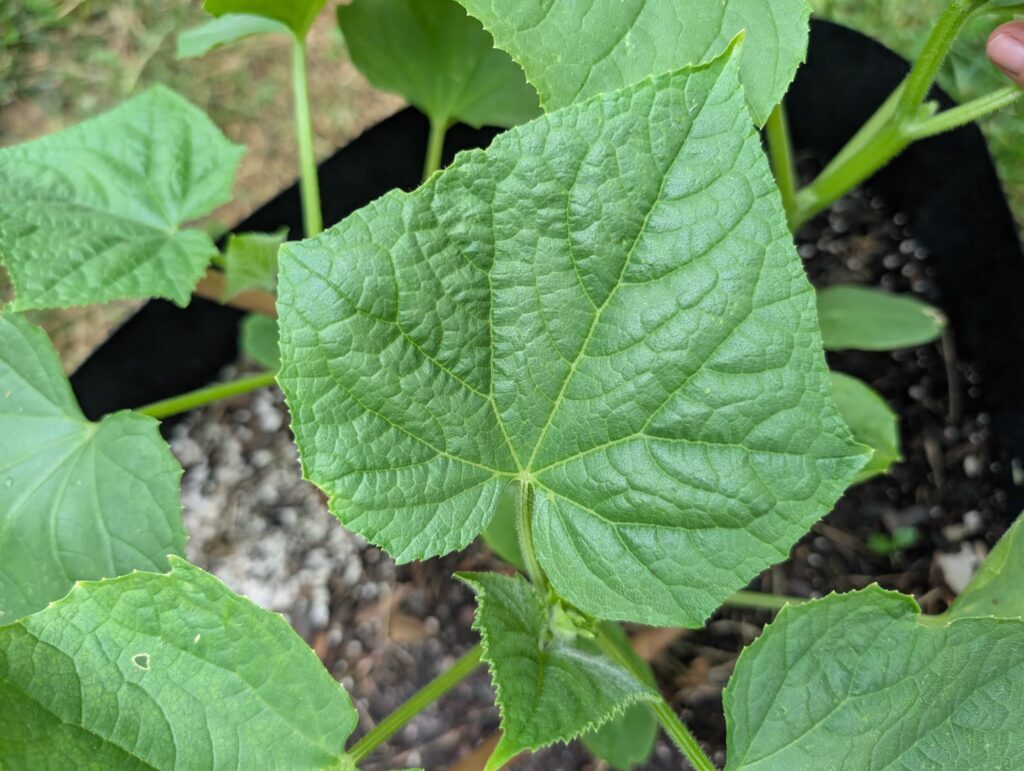
    Suyo long cucumber plant and leaves

    Scorzonera plants thriving

  • My First Tissue Culture Attempt

    Pinguicula emarginata “purple” in bloom during its prime

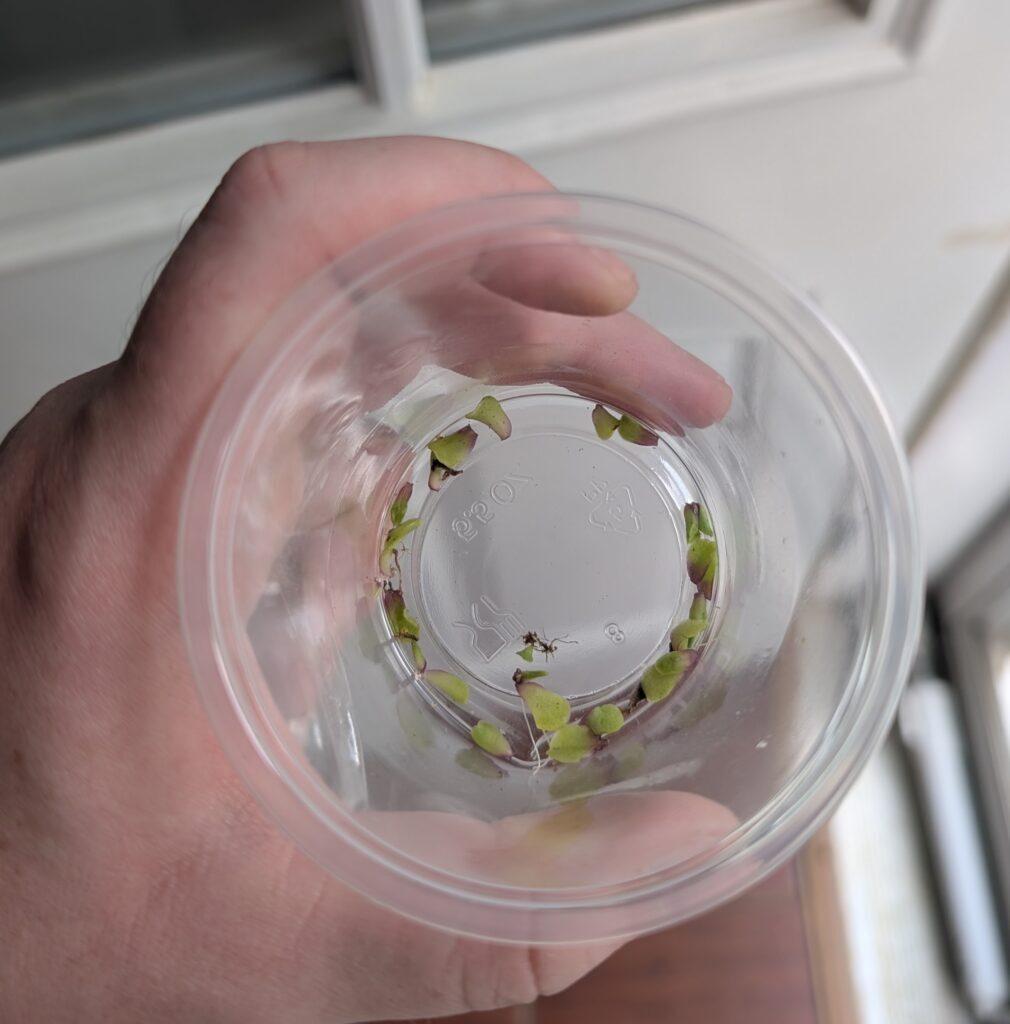
    I tried tissue culture for the first time with explants (pieces of plant) from P. emarginata “purple.” It had been a vigorous plant for me for years, but then suddenly started slowing down. I didn’t want to lose the genetics, because you don’t see this plant for sale often. I had a learning curve with making the media, and I can only hope that the one for actually inoculating it and using it isn’t steep. I made 4 TC containers with 3-4 emarginata explants each, and I can only hope that the explants will soon grow to a size where I can continue to divide them. As always, I worry over the possibility of contamination. Ah, contamination: the bane of every horticulturalist and mycologist’s existence. What if one little spore got in somehow? It’s always possible. But, time will tell.

    Pinguicula emarginata “purple” explants in a plastic cup

    Pinguicula emarginata “purple” explants in a TC container on agar

  • Carnivorous Plant Tissue Culture Experiments

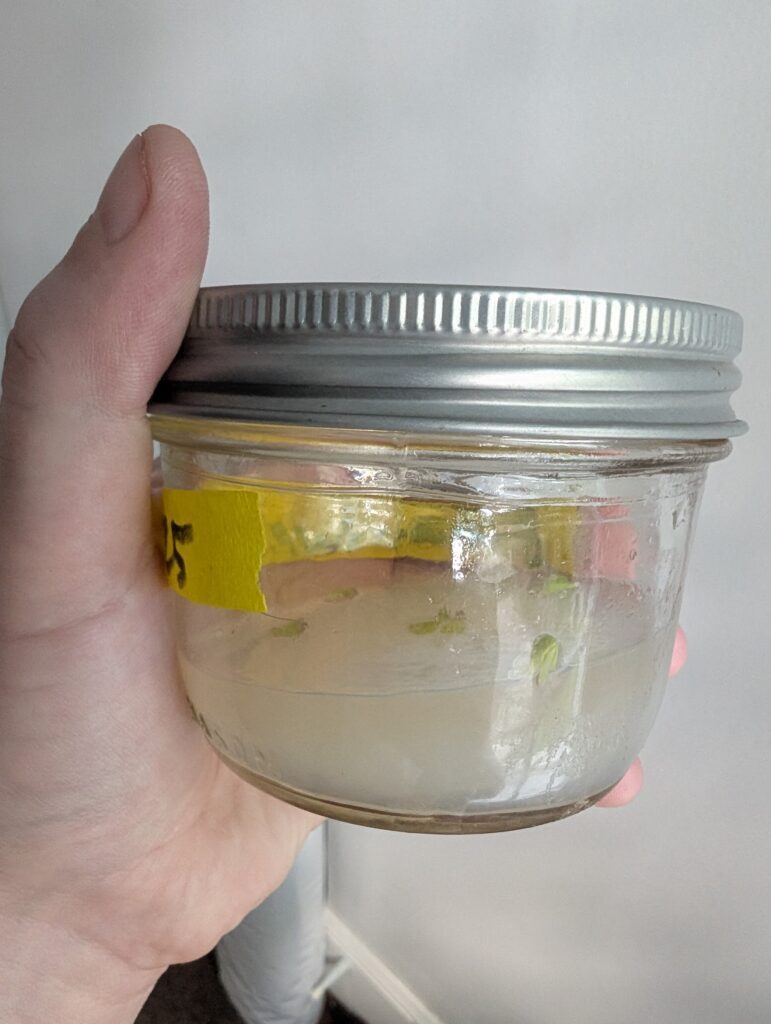
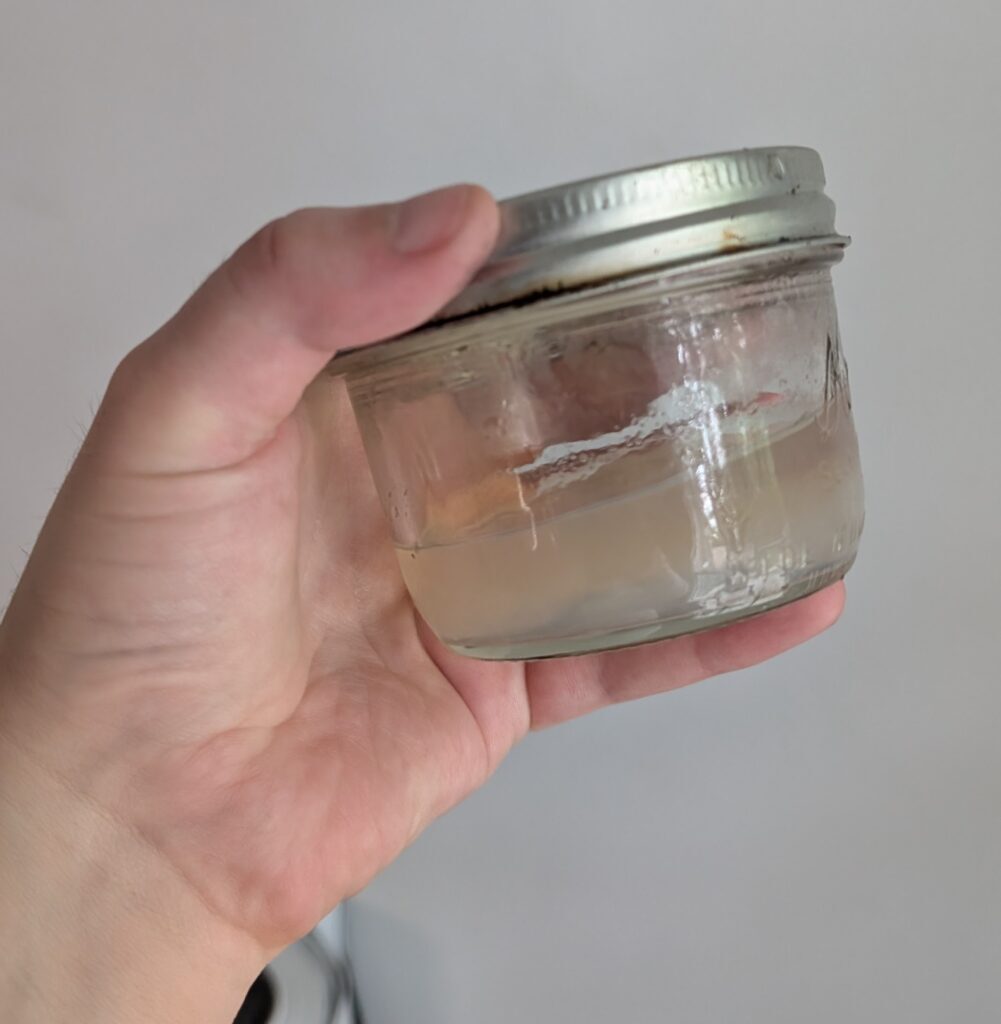
    Plant tissue culture agar jar for growing carnivorous plants

    Above: Tissue culture agar for plants in a normal 8oz wide mouth ball jar

    Anger Tissues (n): The rage of learning plant tissue culture

    Did you know that you can copy + paste a plant using seaweed jello? It’s called “plant tissue culture!” It’s awesome, but difficult.

    I found tissue culture instructions online, but none mention the tricky little details. Mexican Pinguicula, or “butterworts” are also picky plants that need their own procedures. The hardest parts were fighting my brain fog, and using the correct type of lid. It took me four tries to get usable agar in mason jars. I have some mycology agar experience, but I always used pre-made potato dextrose agar. The instructions for that said to sterilize and then pour. Store-bought is more expensive than making your own, and the recipe is not for plant tissue culture.

    I worried about the breathability of normal mason jar lids. I punched holes in some lids and covered with micropore tape, a form of breathable tape. Water always entered the jars. Tinfoil covers did nothing. I made the agar containers with a SOLID lid, prepared breathable lids, then switched from solid to breathable. I absolutely must use a timer during every step so I do not forget I have something cooking. Even then, most of my agar turned out slanted because of the jars cooling in the cooker while floating! One exploded for unknown reasons. Nonetheless, I am focusing on my relief and joy at having usable agar.

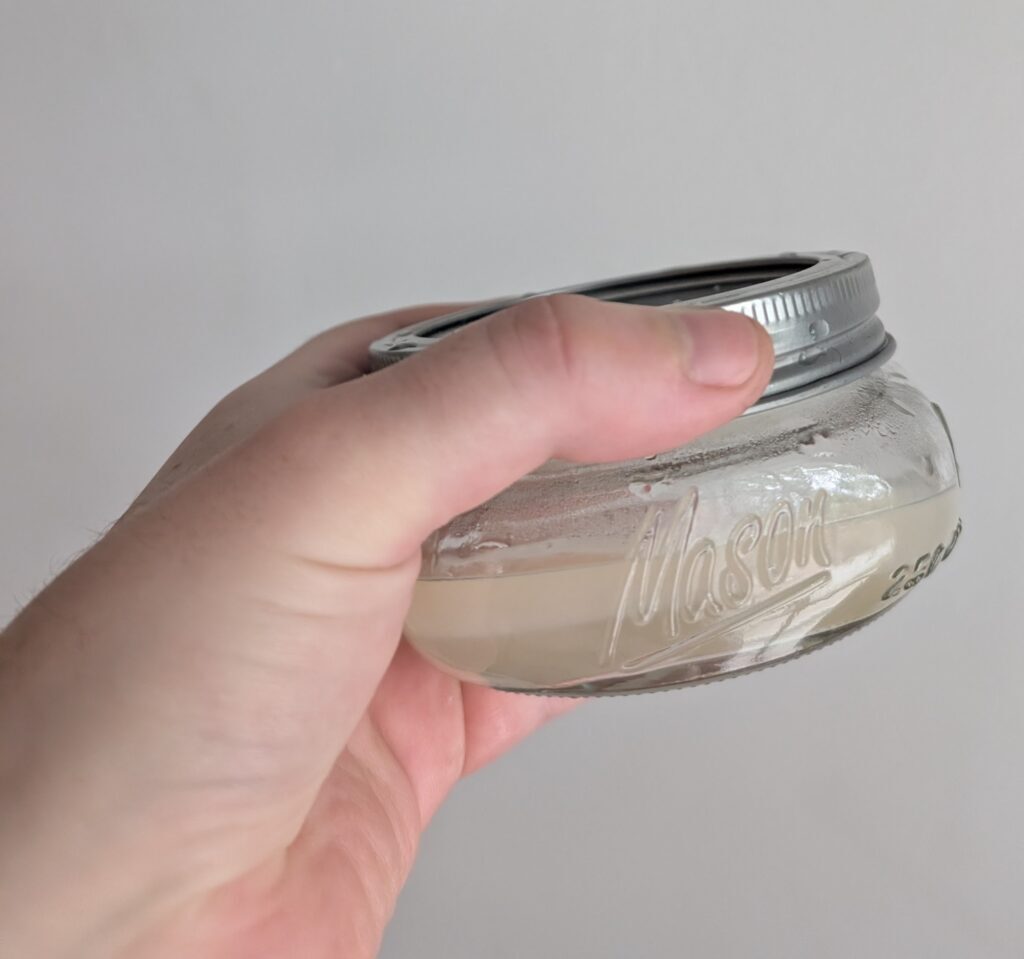
    Potato starch dextrose agar jar for growing mushrooms

    Above: Potato starch dextrose agar for mushrooms in a flat 8oz wide mouth ball jar