
Laueana Growing

Category: Outdoor Garden

Outdoor crops

  • Regenerative gardening: winter schemes for spring dreams!

    A small pile of Sacre Bleu kidney beans. They are dark indigo in color. Beans are very important for regenerative gardening systems.

    Sacre Bleu kidney beans

    I haven’t started, let alone finished, my final vegetable review (but you can read part 1 and part 2). Yet, I started planning for some regenerative gardening this spring months ago! The months this frigid winter passed slowly and quickly all at once. I have wonderful news, at the end of it all: I’ve got my first client! He has me planning a multi-year garden installation, complete with annuals, perennials, and trees. With his permission, I am writing about my garden plans for him, and I will try to write about my own later. We aim to construct and plant the bed this spring. However, it is possible we will miss the timeline for spring planting, and only be able to do fall crops this year. We are planning on two garden beds, one with corn, squash, melons, and beans, and the other with peppers, potatoes, tomato, German chamomile, and Mexican mint marigold.

    The role of the “milpa,” or “three sisters,” in regenerative gardening

    I am planning on building a milpa, also known as “three sisters agriculture,” in my friend’s garden. This is a highly intelligent agriculture strategy designed by Native American people, which optimizes the harvest of three mutually beneficial crops: corn, squash, and beans. The catch is that a milpa cannot be machine harvested. Thus, it is not suitable for mass-scale industrial agriculture. “It takes five people four days to pick the beans and harvest the maize” (Landzettel, 2026).

    However, it is a sustainable and productive system that deserves a resurgence. The milpa has high value for food security gardening, because it increases the odds of survival of your crops under harsh conditions.
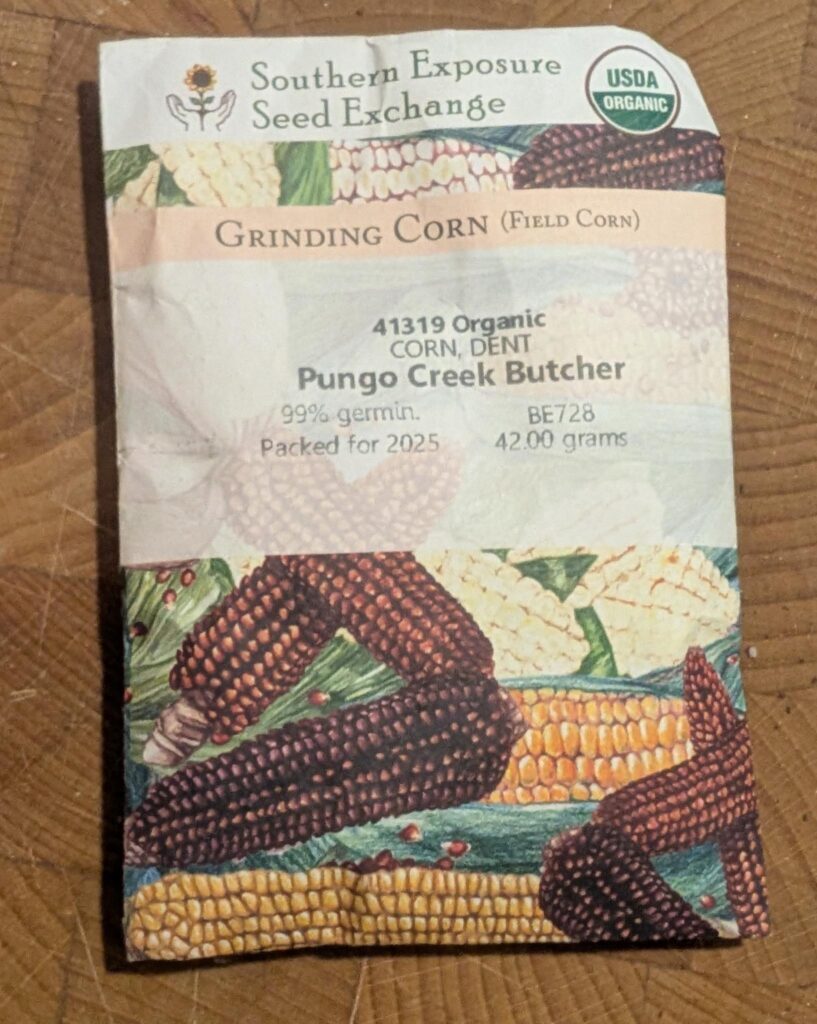
    Pungo Creek Butcher Dent Corn seed packet from Southern Exposure Seed Exchange. The seed packet has illustrations of yellow, orange, and red cobs of corn.

    Pungo Creek Butcher Dent Corn seed packet from Southern Exposure Seed Exchange

    In the milpa, each plant plays a role. The beans “fix” nitrogen from the air into the soil, where they and other plants use it as a macronutrient. The corn provides a pole for the beans to climb, and the squash shades the soil and reduces water evaporation with its large leaves (Landzettel, 2026;Kruse-Peeples & Marinaro 2016). These mutually beneficial interactions are what make the milpa so wildly resilient!

    A milpa can be built in multiple styles, using mounds or rows. Kruse-Peeples & Marinaro (2016) report that the traditional Iroquoian way to build a milpa is by making mounds, which we will emulate.

    There are also “other sisters” important to southwestern Native cultures, which can be grown in a milpa (Kruse-Peeples & Marinaro, 2016). For example, we will grow melons alongside our squash.

    Using lasagna mulching to build soil

    No-till and low-till techniques are important in regenerative gardening. We will use modified lasagna mulching to create two beds with 9 mounds each, in a square array. Lasagna mulching is layering carbon-rich and nitrogen-rich composting materials on top of existing soil (Rauter & Sherp, 2025). For our purposes, we will use finished compost between cardboard layers to create a mound scaffold. On top of this we will add a layer of coir-compost mixture so we can (hopefully) plant this year. We will also be inoculating the cardboard with oyster mushroom grain spawn to break down the cardboard more efficiently, and we will get a crop of lovely gourmet mushrooms out of it as well!
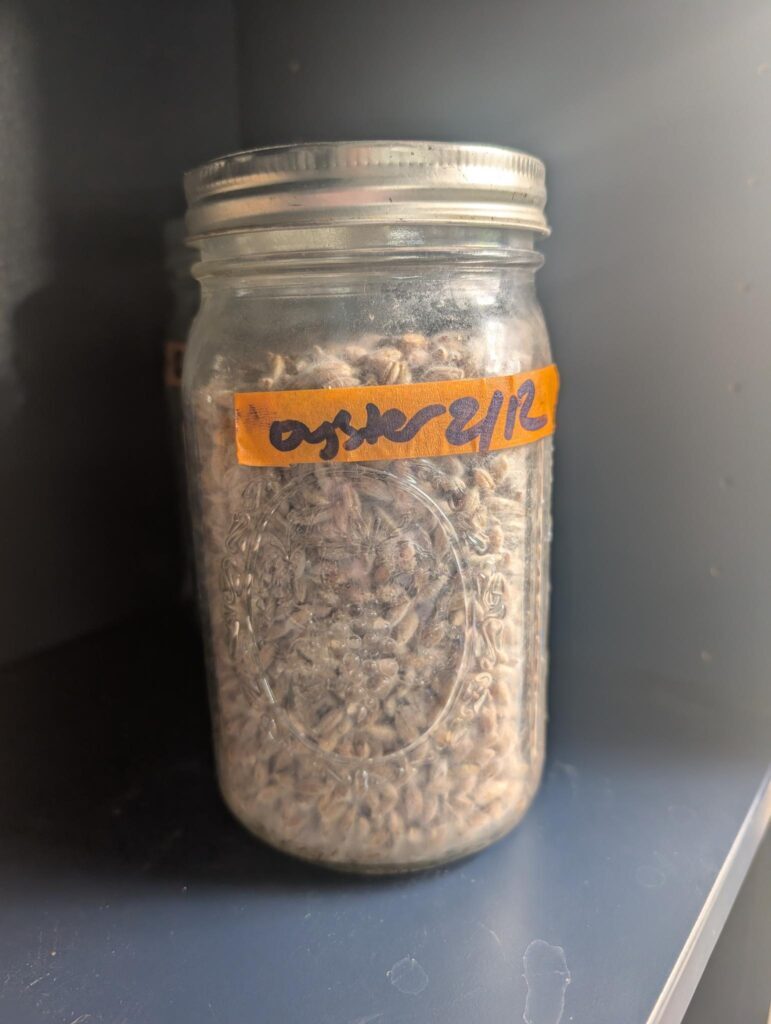
    Oyster mushroom grain spawn in a quart sized wide mouth mason jar. White oyster mushroom mycelium grows as a fuzz over rye grains.

    Oyster mushroom grain spawn

    Bibliography

    Landzettel, M. (2026, February 13). Milpa. How an Ancient Farming System Helps Small Farmers in Today’s Mexico. Slow Food. https://www.slowfood.com/blog-and-news/milpa-ancient-farming-system-mexico/

    Kruse-Peeples, M. & Marinaro, L. (2016, May 27). How to Grow a Three Sisters Garden. Native Seeds/SEARCH. Native Seeds/SEARCH. https://www.nativeseeds.org/blogs/blog-news/how-to-grow-a-three-sisters-garden

    Rauter, S. & Sherp, L. (2025). Sheet mulching and lasagna composting with cardboard. Oregon State University Extension Service. https://extension.oregonstate.edu/catalog/em-9559-sheet-mulching-lasagna-composting-cardboard
  • Plant Review: Garden Vegetables (part 2)

    Today, we are doing a plant review for some of the garden vegetables I grew in 2025. This is my second vegetable review. If you would like to read the first, where I review Carwile’s Virginia peanut, Thai red roselle, Stewart Zeebest okra, and Moon and Stars yellow watermelon, click here!

    Painted Lady Runner Beans Plant Review

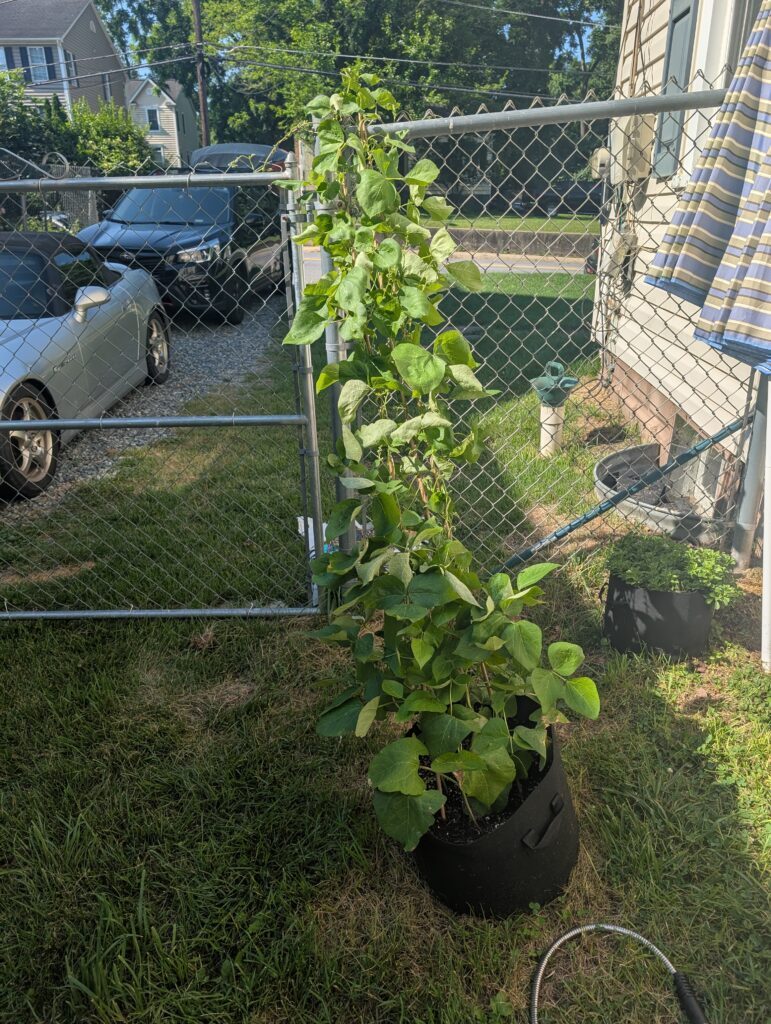
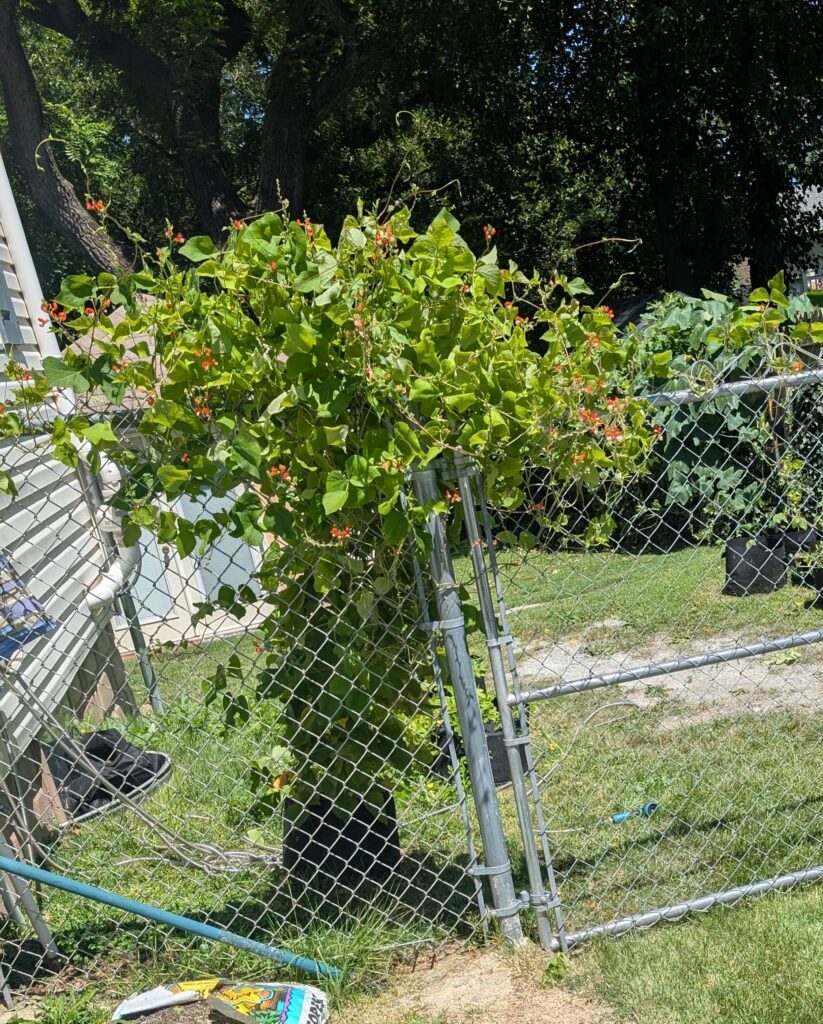
    Runner bean vines climb vigorously. This is part of why I rated them high in "ease of growing" in my plant review.

    Garden Vegetable Review Score

    Overall; 4/5

    Ease of growing: 4/5

    Harvest yield: 2/5

    Harvest quality: 5/5

    Would I grow it again? Yes.

    Explanation

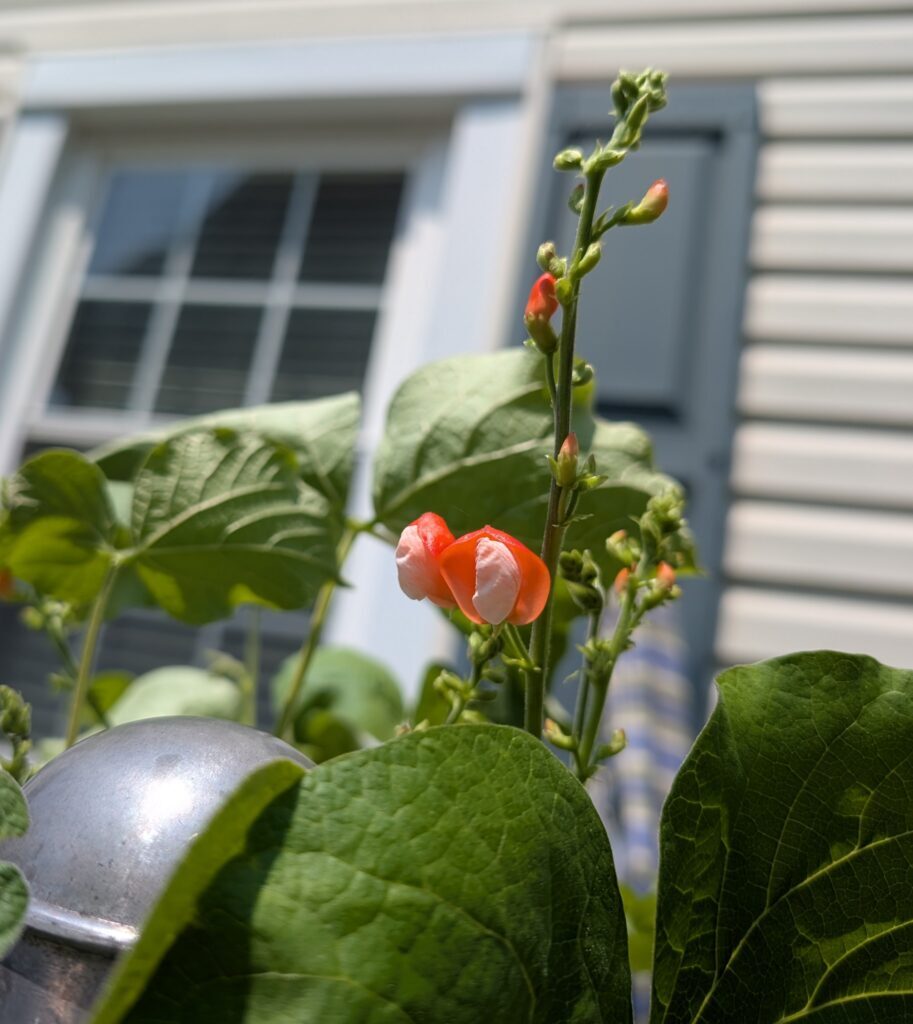
    Painted lady improved runner beans were a mixed bag for me. On the one hand, the vines grew and flowered vigorously, and their beans were delicious. On the other hand, the VAST majority of the flowers never produced beans! If I were gardening mainly for flowers, this would not bother me. But, I am more practical about my goals, and I wanted beans.

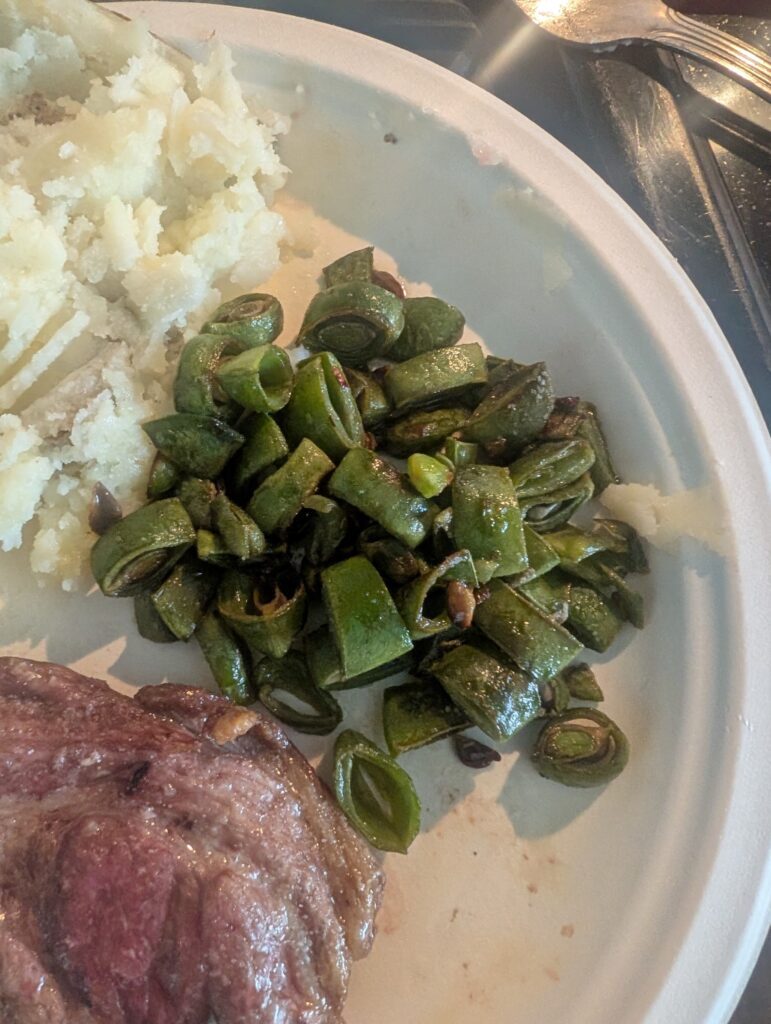
    The beans I got were wonderful, however. They had a flavor similar to green beans, except stronger and more vegetal. I only ate them as snap beans, and did not try them as shelling beans. They were fantastic sauteed in butter with a little salt and pepper.

    I still have the pot full of roots in the shed since they are perennial beans. I have heard that the beans begin to produce better crops as they get older and stronger, so we will see if that is true.
    Runner beans sauteed in butter were very good, so they got a good review for harvest quality. I only wish there were more, so they did not get a good review for harvest yield.

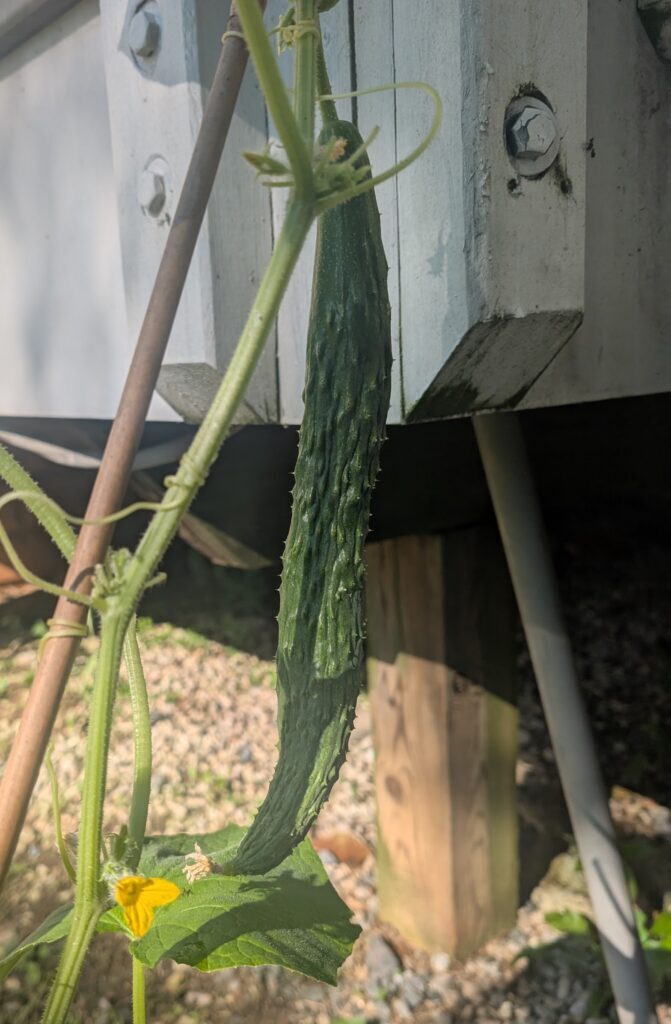
    Suyo Long Asian Cucumber Plant Review

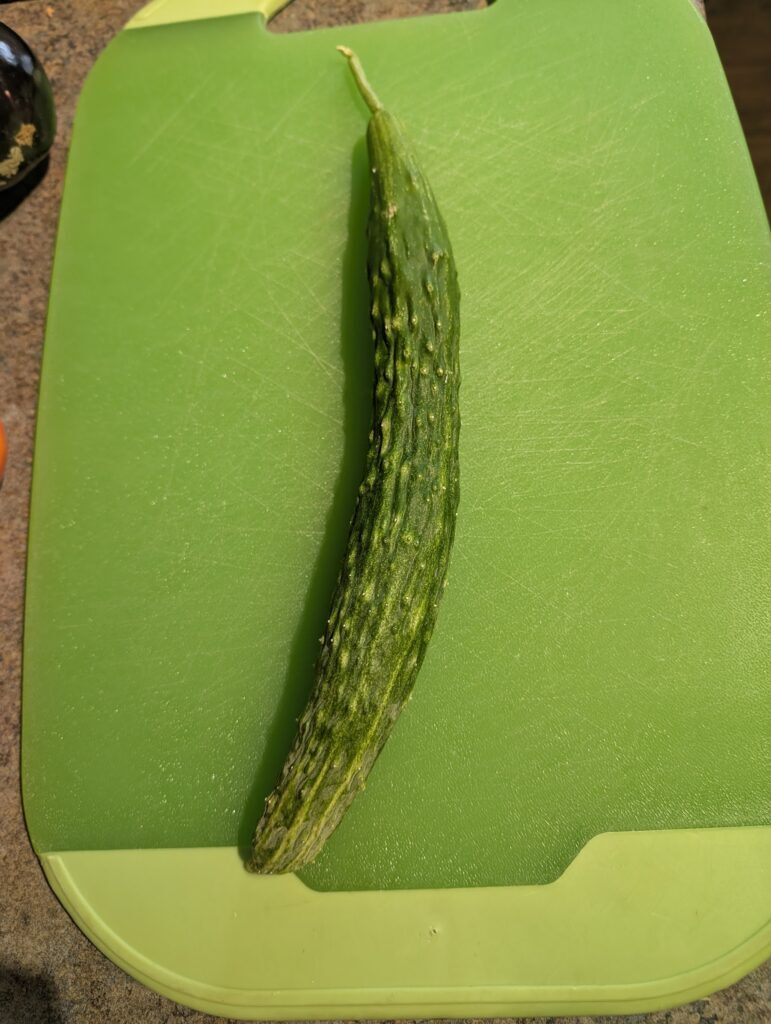
    A long and thin Suyo cucumber on the vine. There was only this one for all three vines, so their rating on the yield portion of the plant review is very low.

    Garden Vegetable Review Score

    Overall: 2.33/5

    Ease of growing: 2/5

    Harvest yield: 1/5

    Harvest quality: 4/5

    Would I grow it again? No.

    Explanation

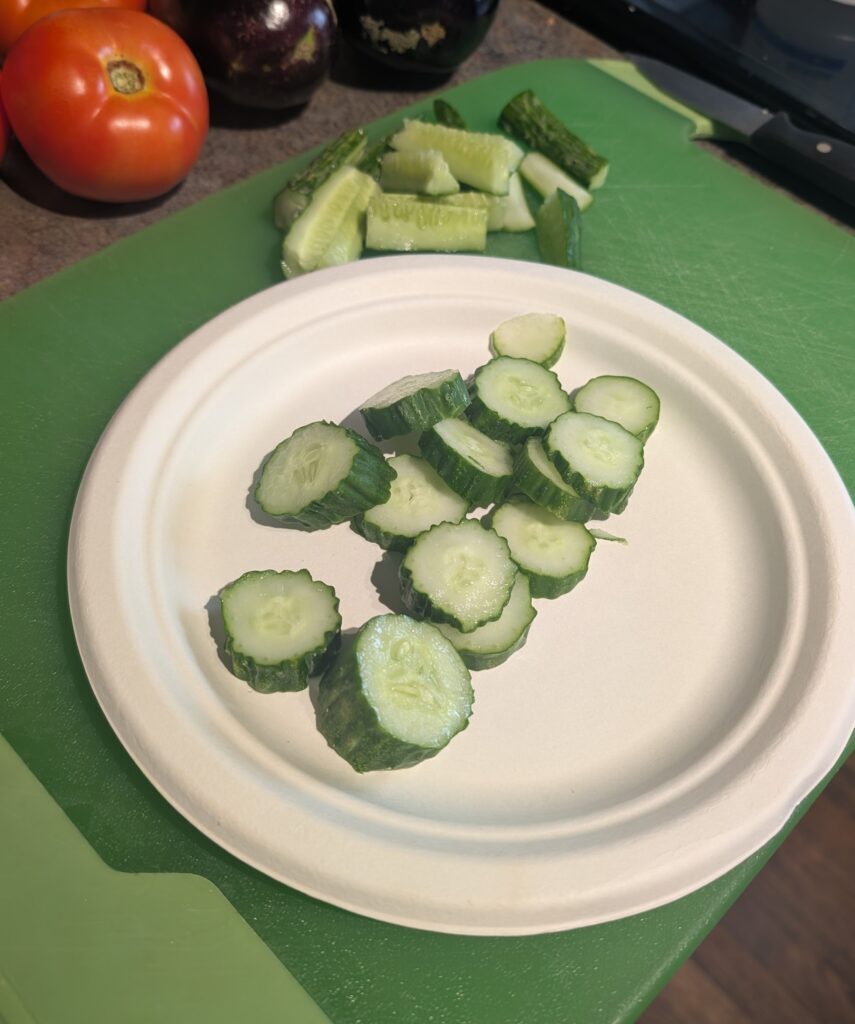
    I grew three Suyo cucumber vines, but I only got one single cucumber before they all died of milder and bug damage! The cucumber was pretty good, very mild and watery, which I like. However, I did not like the overall results here, so I am not growing them again. Diseases obliterated my vines before I could get even two cucumbers off of them!

  • Plant Review: Garden Vegetables (part 1)

    This year, I began my adventures in container gardening vegetables. Here is my introduction to everything I planted. I observed a wide spread in performance of each of the varieties I grew. Please enjoy my inaugural plant review!

    Carwile’s Virginia Peanut Review

    Garden Vegetable Review Score

    Overall: 2.33/5

    Ease of growing: 2/5

    Harvest yield: 1/5

    Harvest quality: 4/5

    Would I grow it again? No.

    Explanation

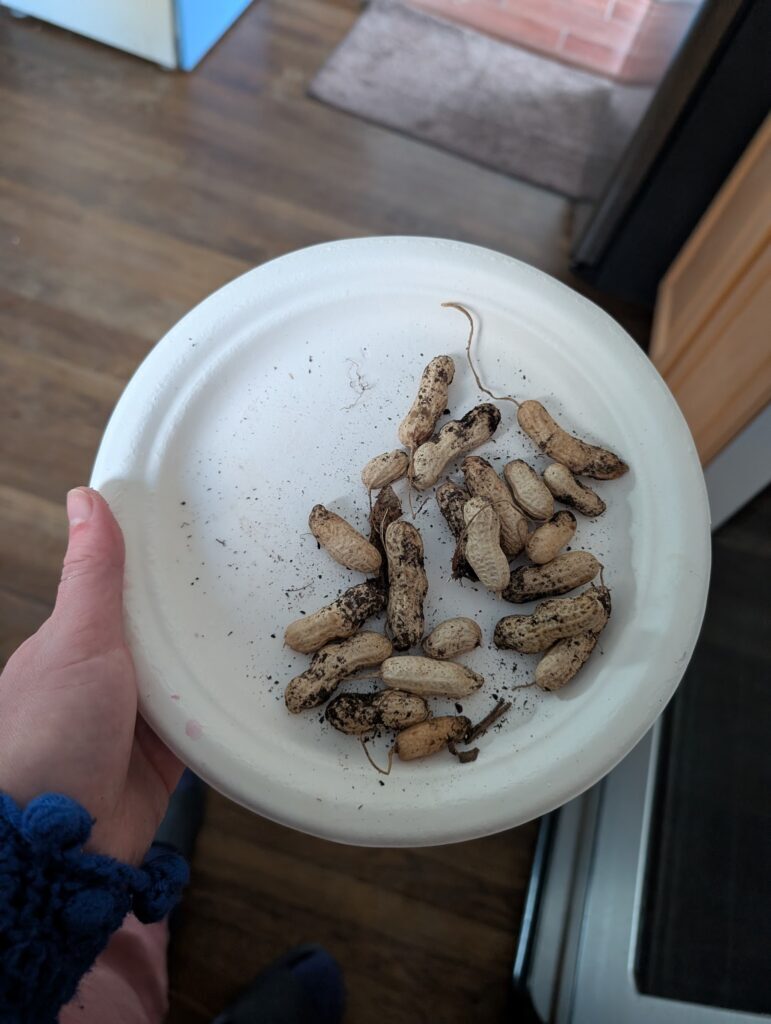
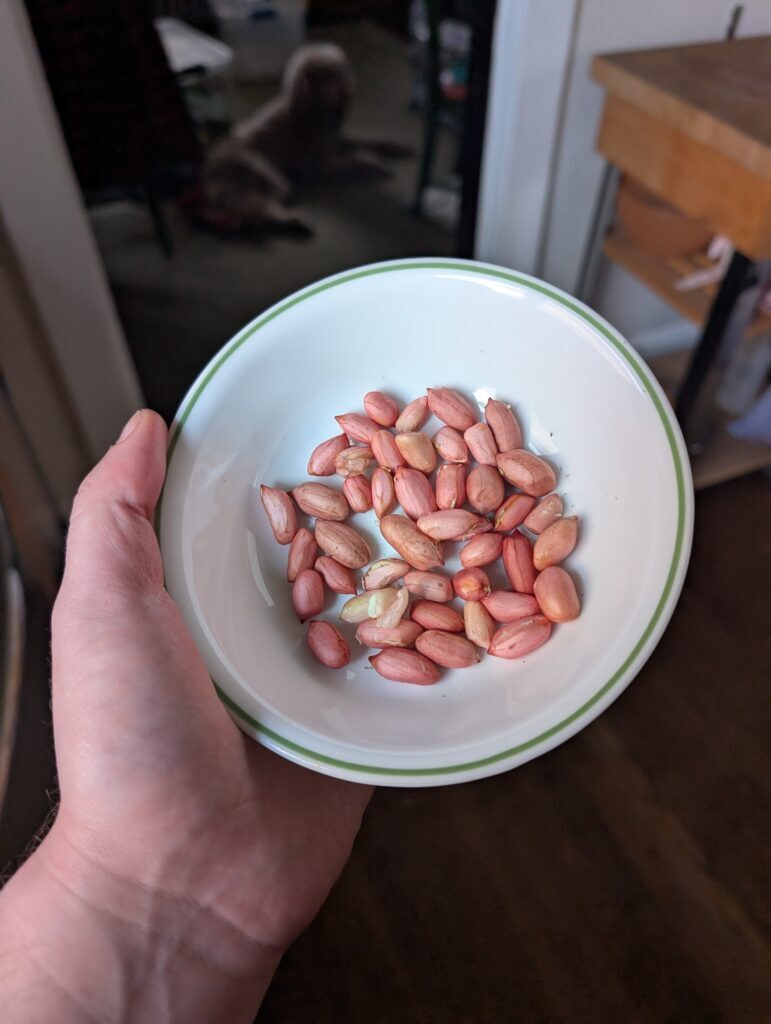
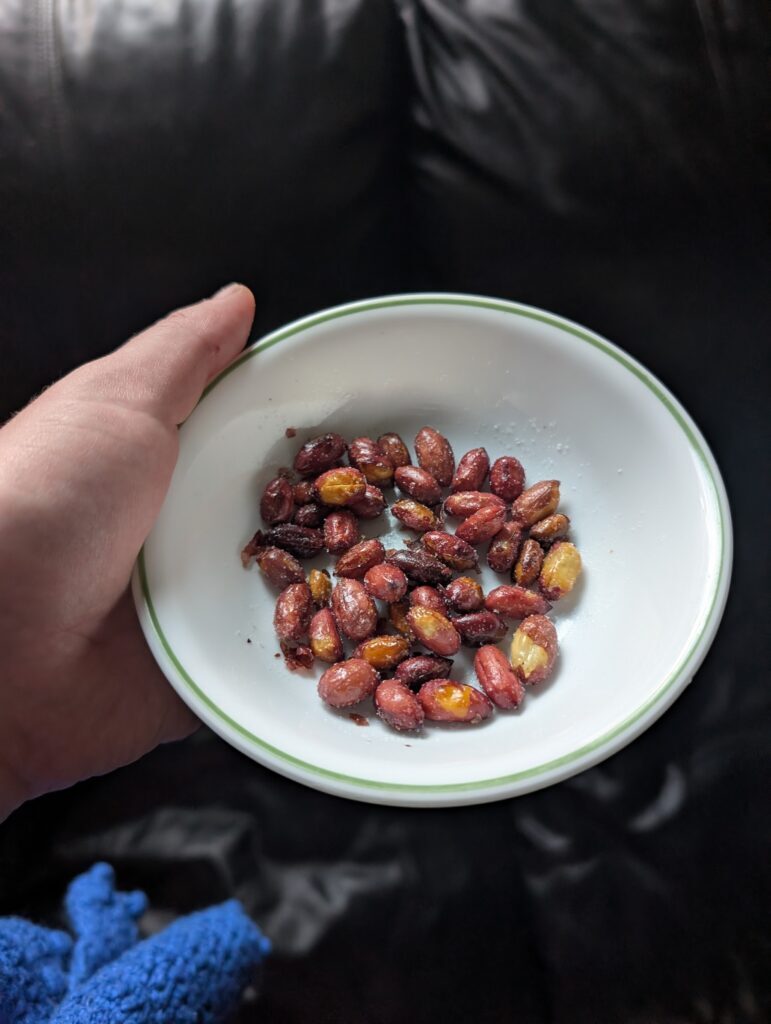
    My peanut yield was incredibly low, but the nuts I did get were delicious. I am uncertain about what could have caused the low yield. Speculating only, it could be too much nitrogen in the potting mix plus no inoculant. Peanuts need bacteria to enter their roots so they can fix their own nitrogen. Normally, people inoculate their peanuts with a microbial mix. I did not. The peanuts I did get were extremely good. They were flavorful, excellent pan fried with salt.

    Thai Red Roselle Review

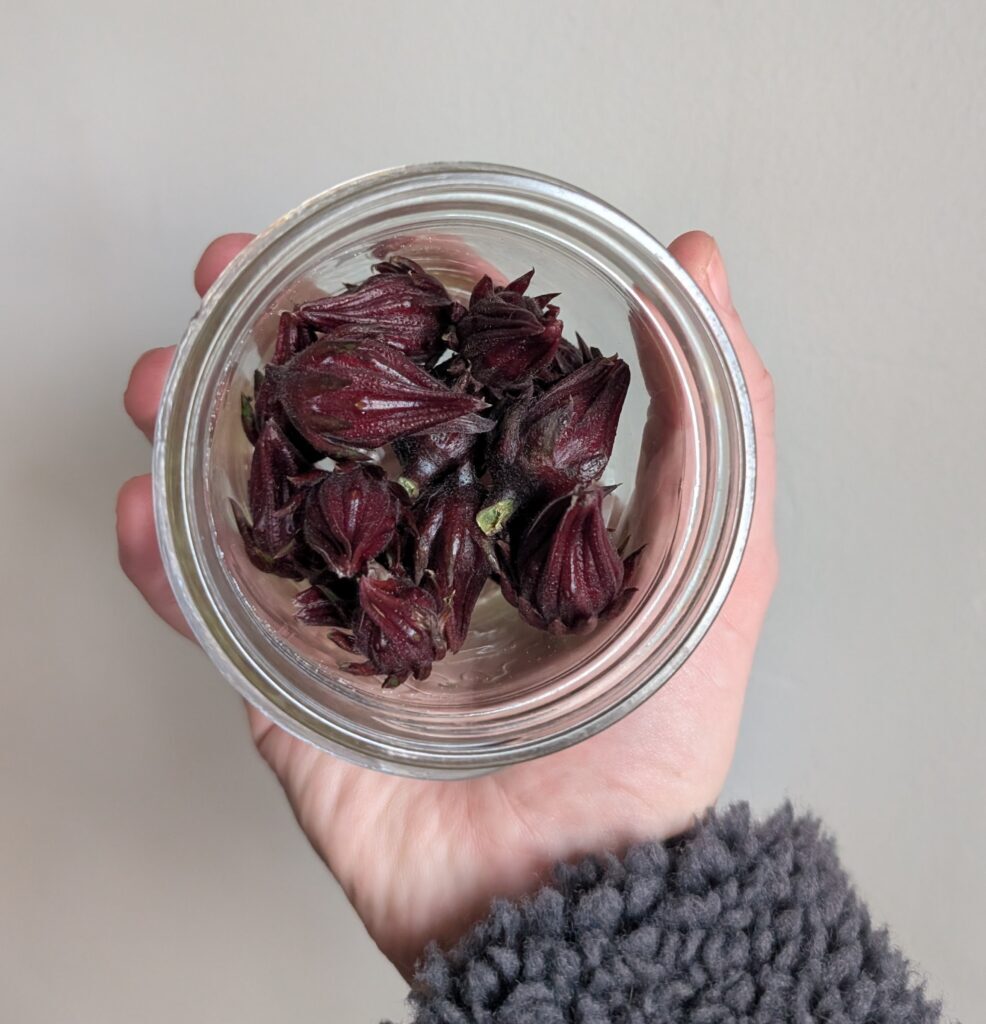
    an 8oz mason jar of Thai red roselle calyxes held in hand

    Garden Vegetable Review Score

    Overall: 3.67

    Ease of growing: 3/5

    Harvest yield: 3/5

    Harvest quality: 5/5

    Would I grow it again? Yes.

    Explanation

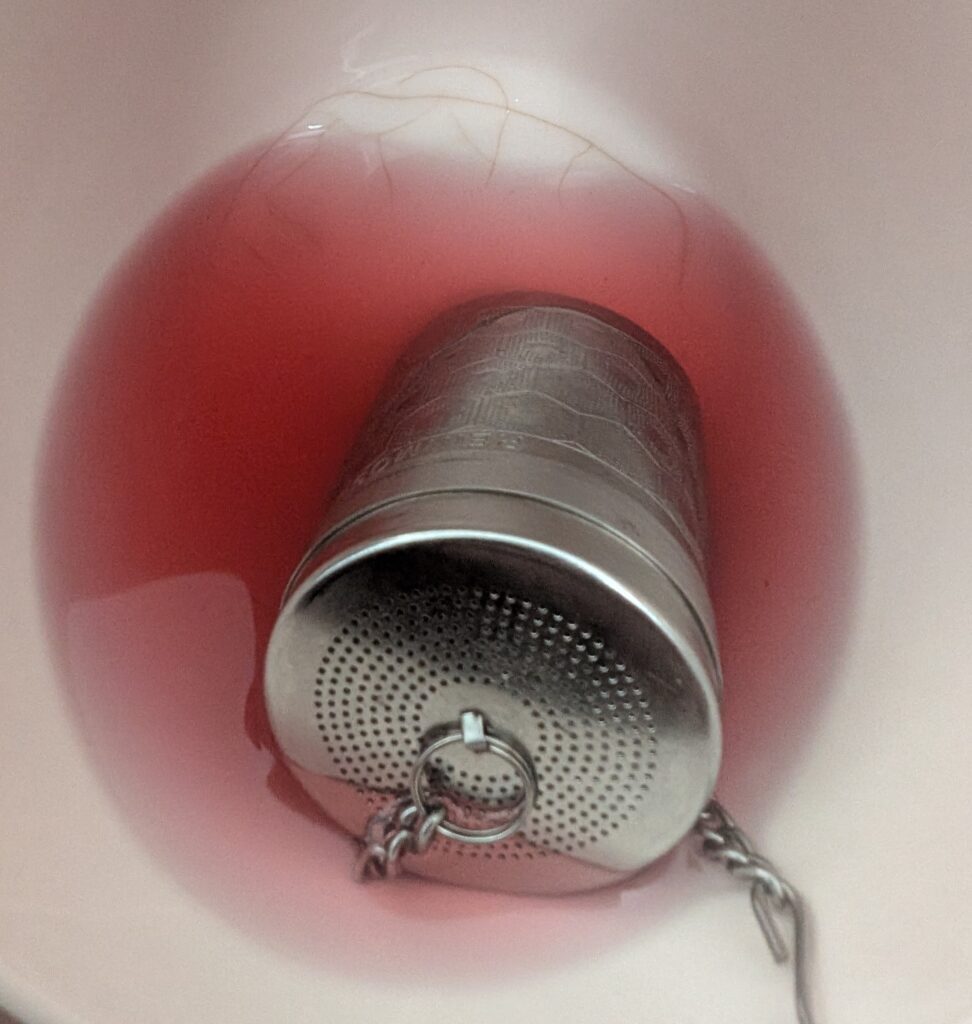
    Roselle, known by many names around the world, is quickly becoming a favorite of mine. People all over the globe love the stuff! Many parts of the plant are edible, including the leaves and the thick red calyxes that grow around the seed pod after the flower fades. Both have a tart, citrus-like flavor. The leaves taste vegetal and the calyxes floral. The leaves make an excellent addition to any dish that would benefit from citrus flavor. I enjoyed adding it to stir fries. The dried calyxes make a delicious sour, floral tea that I enjoy with added ginger root and sugar.

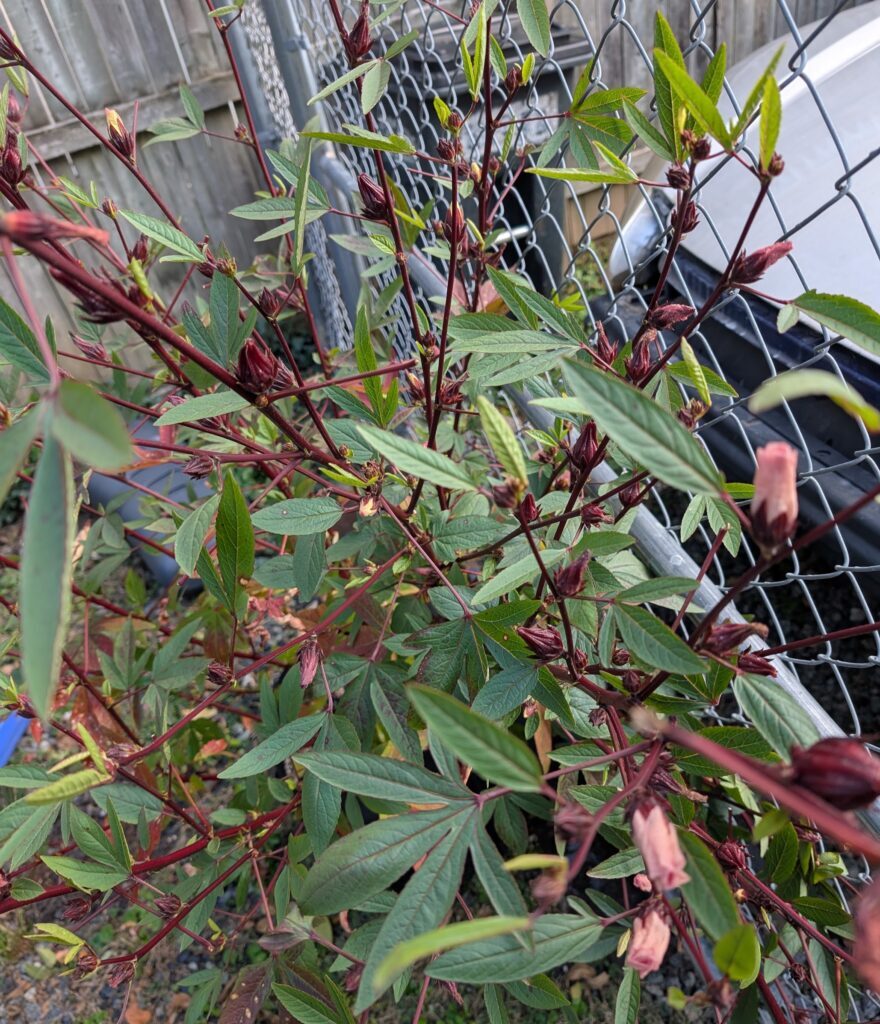
    My only note is that I will need to start the plants indoors in late February. I did not get many calyxes before cold killed the plant here in USDA zone 7. This plant grows slowly, loves the heat, and despises the cold. Plan ahead to get a good harvest if you live in an area with cold winters.

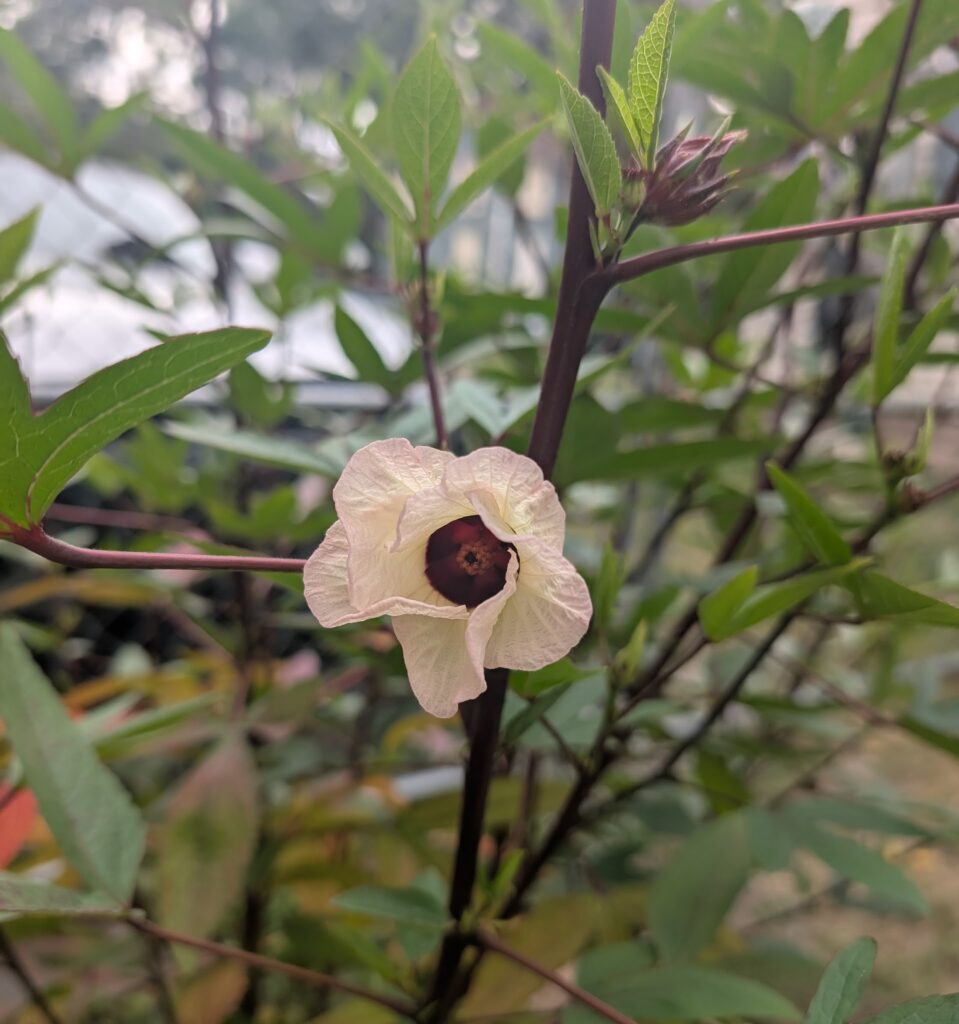
    A Thai red roselle flower. It is a hibiscus type flower with five cream petals and a dark red center.

    Stewart Zeebest Okra Review

    Garden Vegetable Review Score

    Overall: 4/5

    Ease of growing: 4/5

    Harvest yield: 3/5

    Harvest quality: 5/5

    Would I grow it again? Yes.

    Explanation

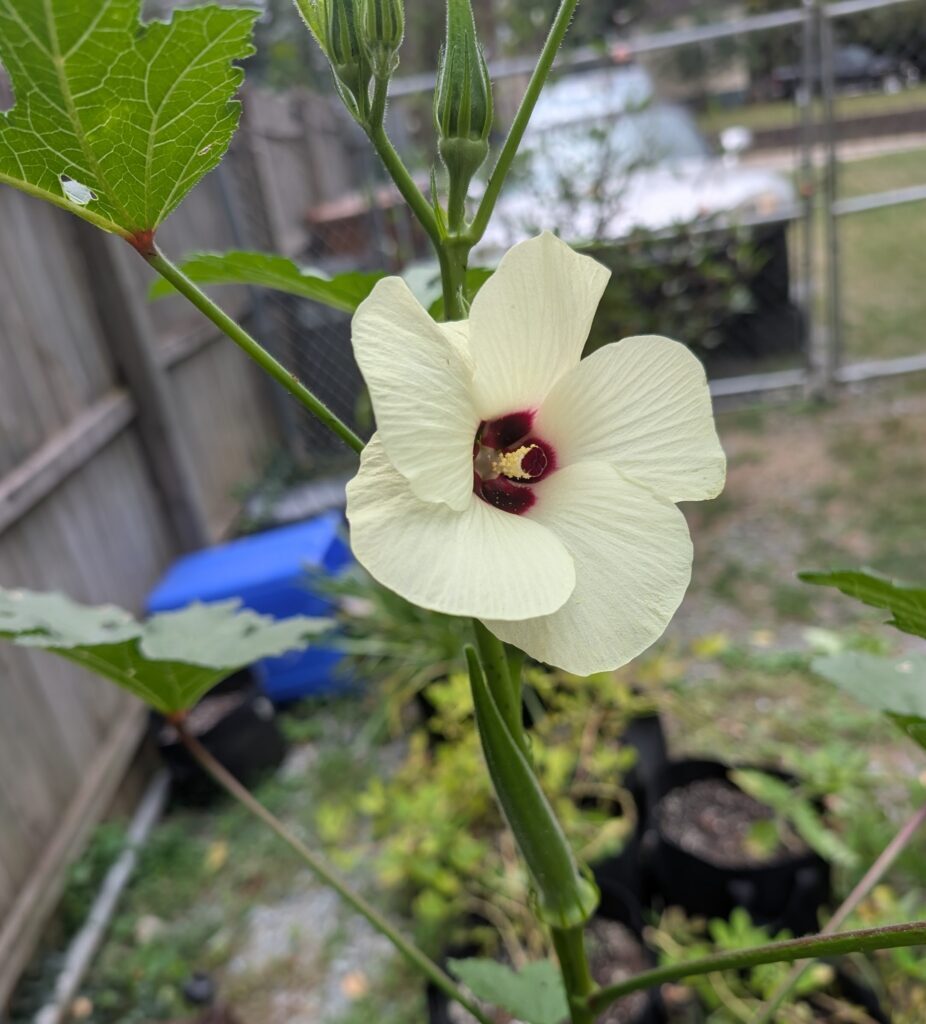
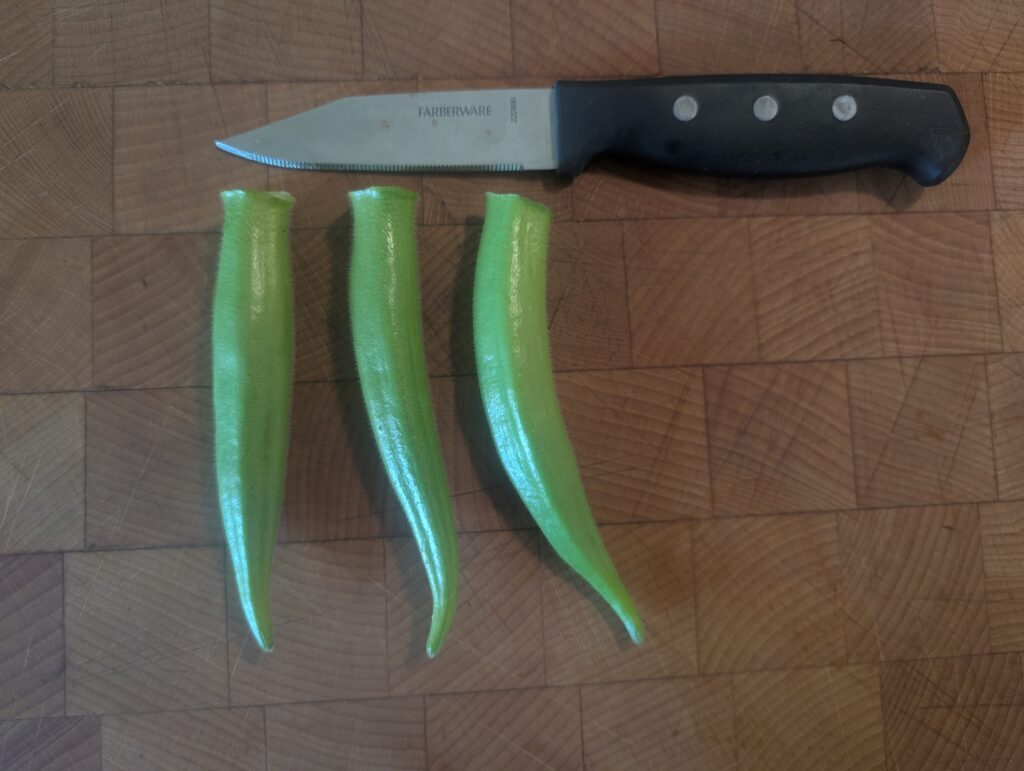
    Stewart Zeebest Okra produced tender, slim, smooth pods for me during the hot months. They were very soft and silky, with no spines and mild flavor. The pods could have grown larger than I allowed while remaining tender.

    In my opinion, they are the best simply sauteed with some caramelized shallots in butter. You don’t need much of a recipe. Just cook the shallots in butter until beginning to caramelize. Then add okra, so it cooks as the shallots finish. Salt to taste.

    Like the roselle, okra is a member of the hibiscus family that thrives in hot weather. Also like the roselle, I would have gotten a much larger harvest if I planted it earlier! It only needs 65 days to begin producing, but mine only produced for a month or two before cold hit. They would have produced for longer and given me more okra if direct sown in early May. Some even begin theirs indoors, but I have limited space.

    Stewart Zeebest okra pods. A small kitchen knife lying flat horizontal left to right with the blade left on a wooden cutting block. Three okra pods are beneath the knife blade perpendicular to it. They are velvety and green, smooth with no ribs or spines, and slender.

    Moon and Stars Yellow Watermelon Review

    Garden Vegetable Review Score

    Overall: 2.33/5

    Ease of growing: 2/5

    Harvest yield: 2/5

    Harvest quality: 3/5

    Would I grow it again? No.

    Explanation

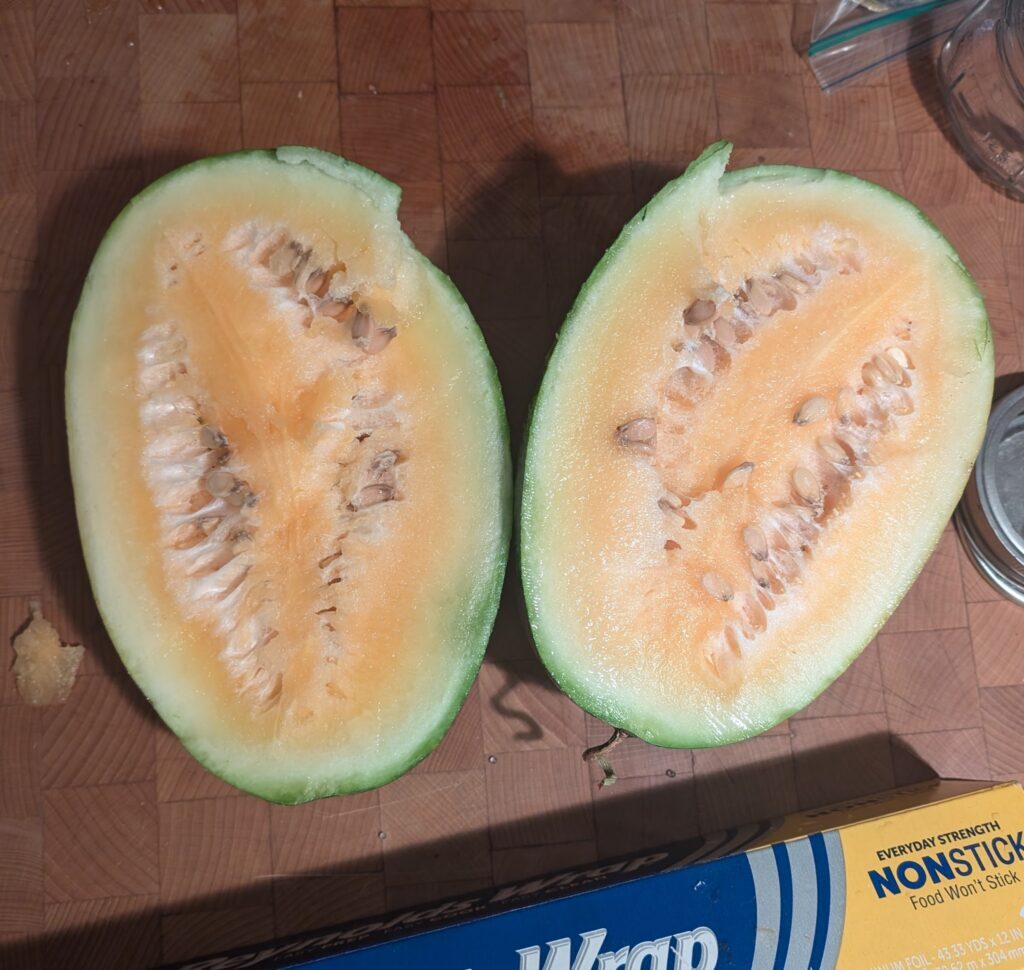
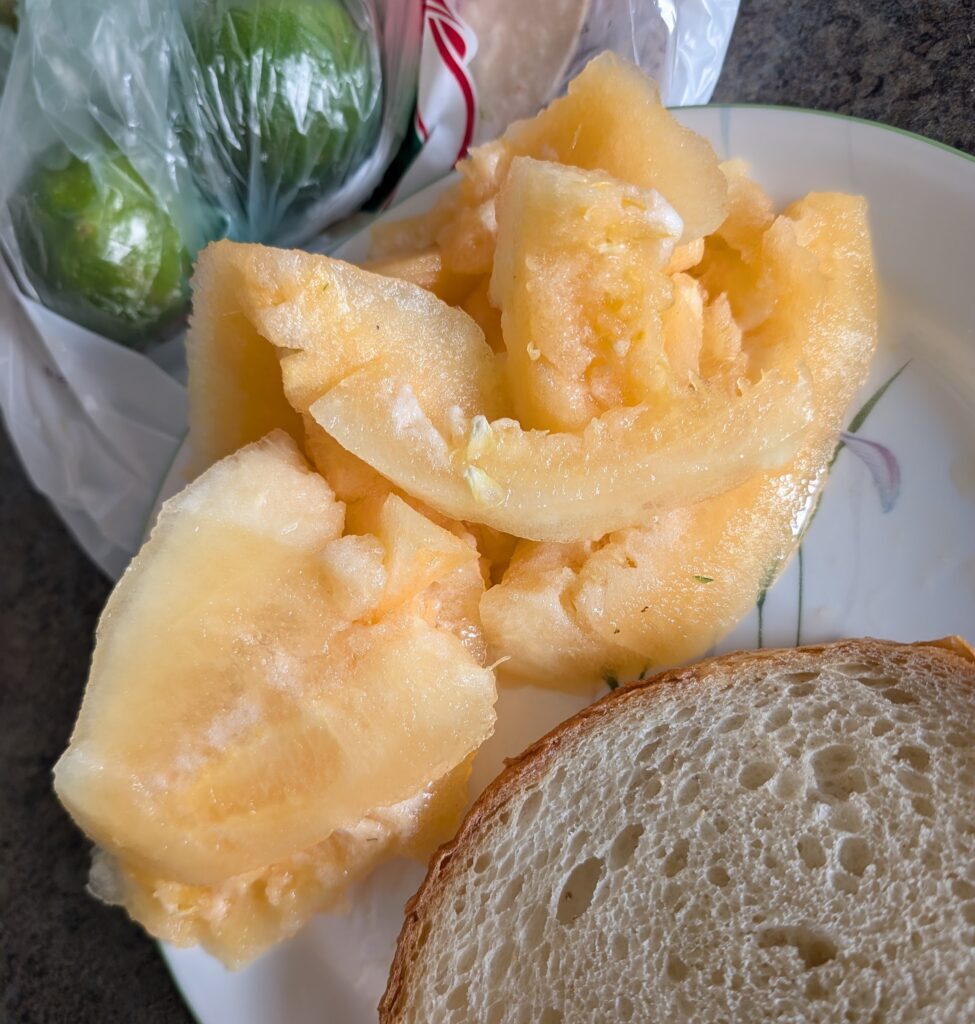
    Moon and stars yellow watermelon did turn out tasty. Yet again though, I had yield issues. The yellow fleshed, speckled-rind watermelons are striking to behold inside and out. The flesh is smooth with few strings. Even in a small melon, there was a lot of flesh without seeds. All had a clear fleshy core to the fruit. It is mildly sweet with a clear and refreshing watermelon flavor. It was lighter and more refreshing in my opinion than red watermelon. I haven’t had another melon like it.

    My melons topped out around 5lb, and I did not get many. Some rotted. Some plants didn’t grow any fruit despite constant flowering. Each melon may need more space for its roots, and higher quality, more consistent fertilizer. Hand pollination could have helped.

    Yellow watermelon flesh carved from the melon, seeds removed, on a plate next to some whole grain bread, which sits on a counter with some limes in a plastic bag nearby
  • Early July Garden Progress

    “Knee high by July?” Get on my level!

    I don’t have much to say other than that, so enjoy some photos!

    Painted Lady runner bean flowers opened on July 4 2025

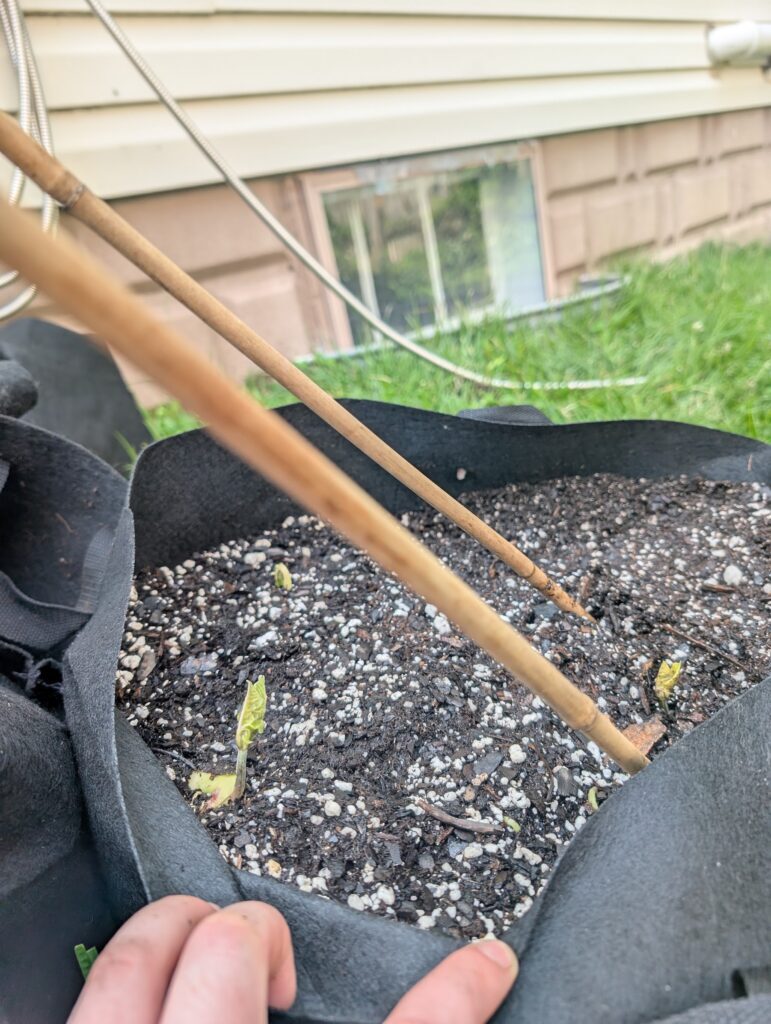
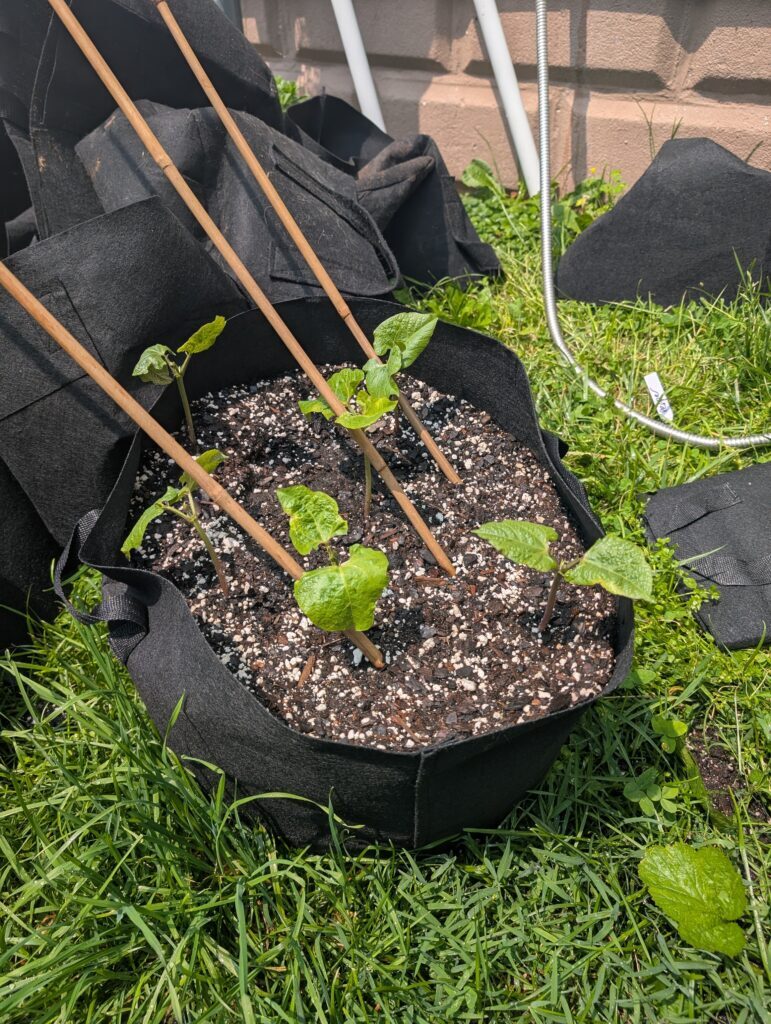
    Runner bean sprouts on June 2nd, and runner bean plants on July 1. They grew well over 6ft in 29 days!

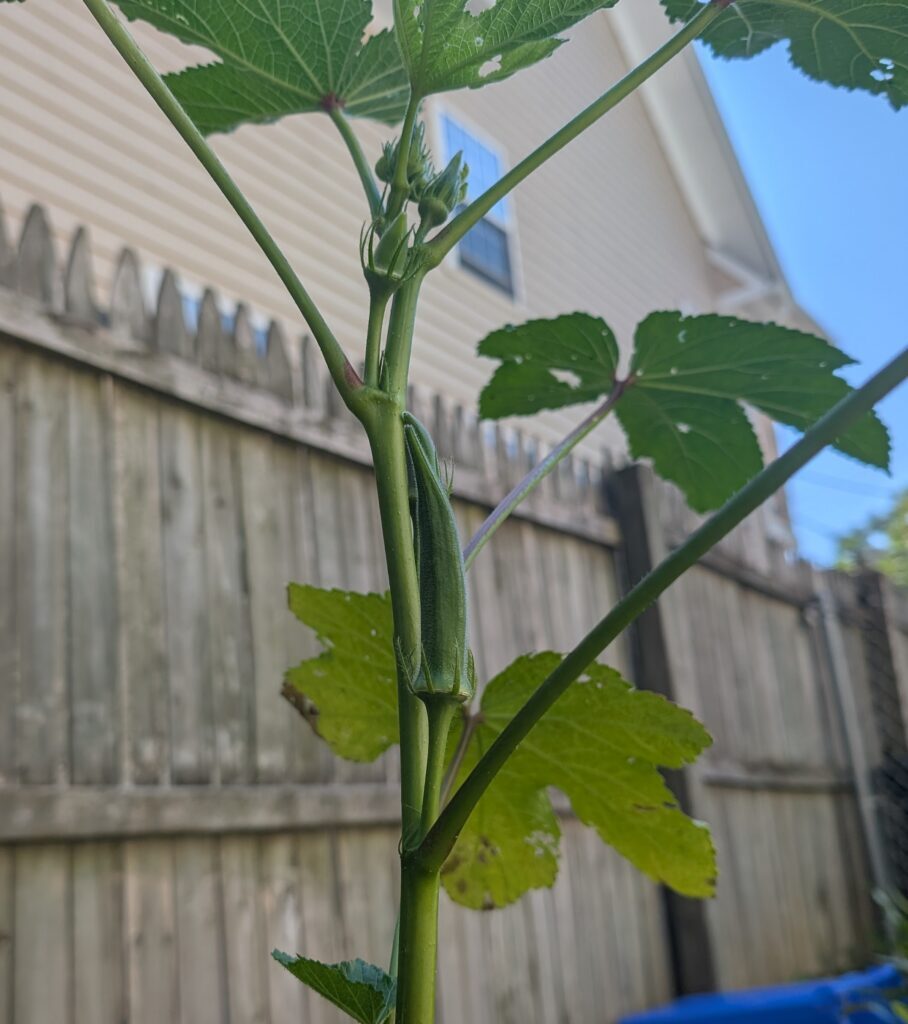
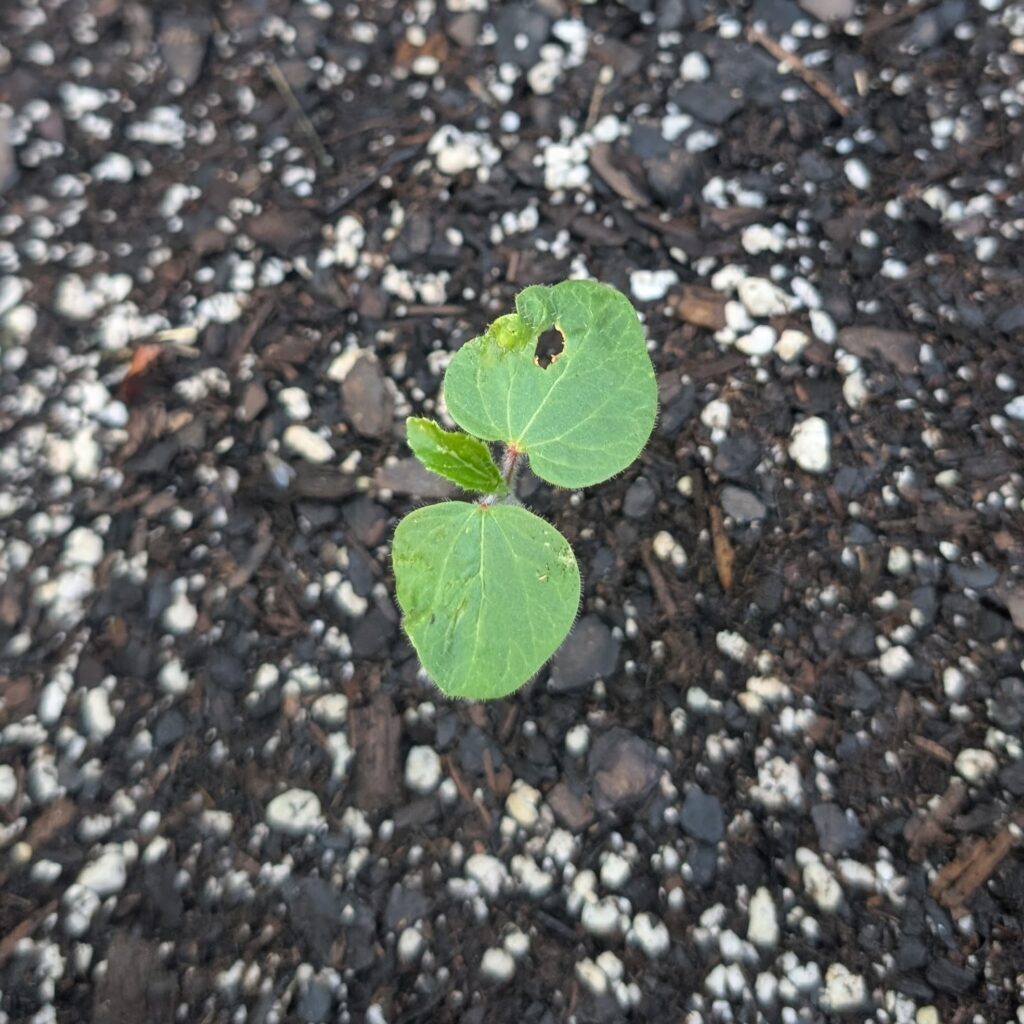
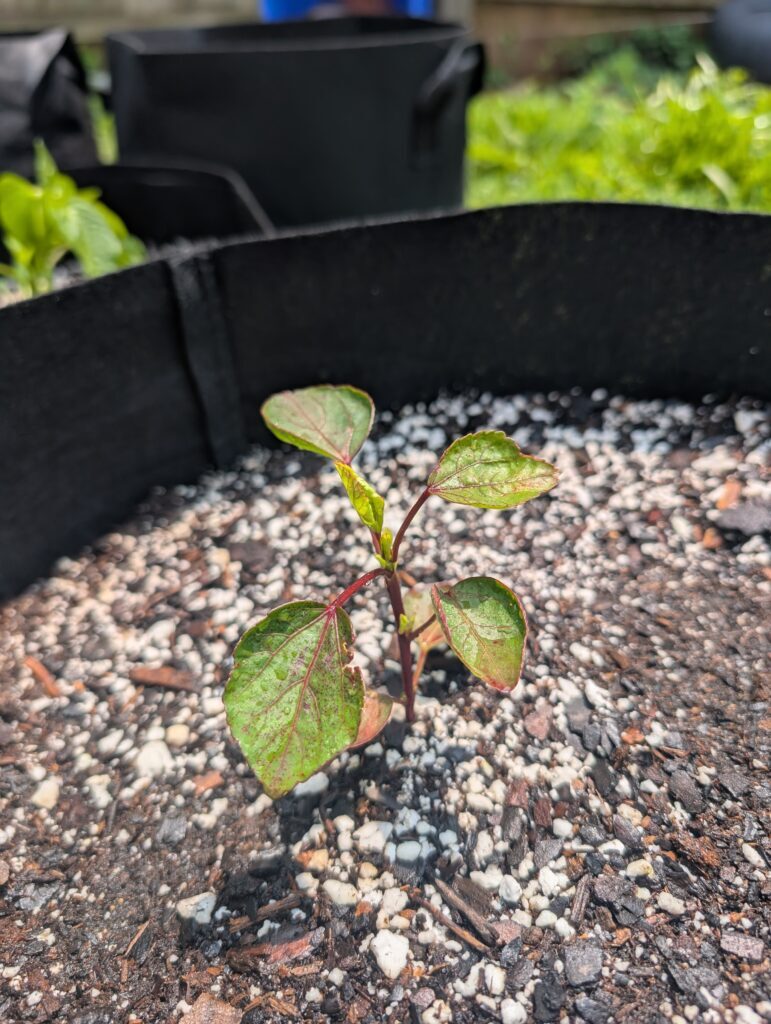
    Stewart Zeebest okra sprout, direct sown 3rd week of June
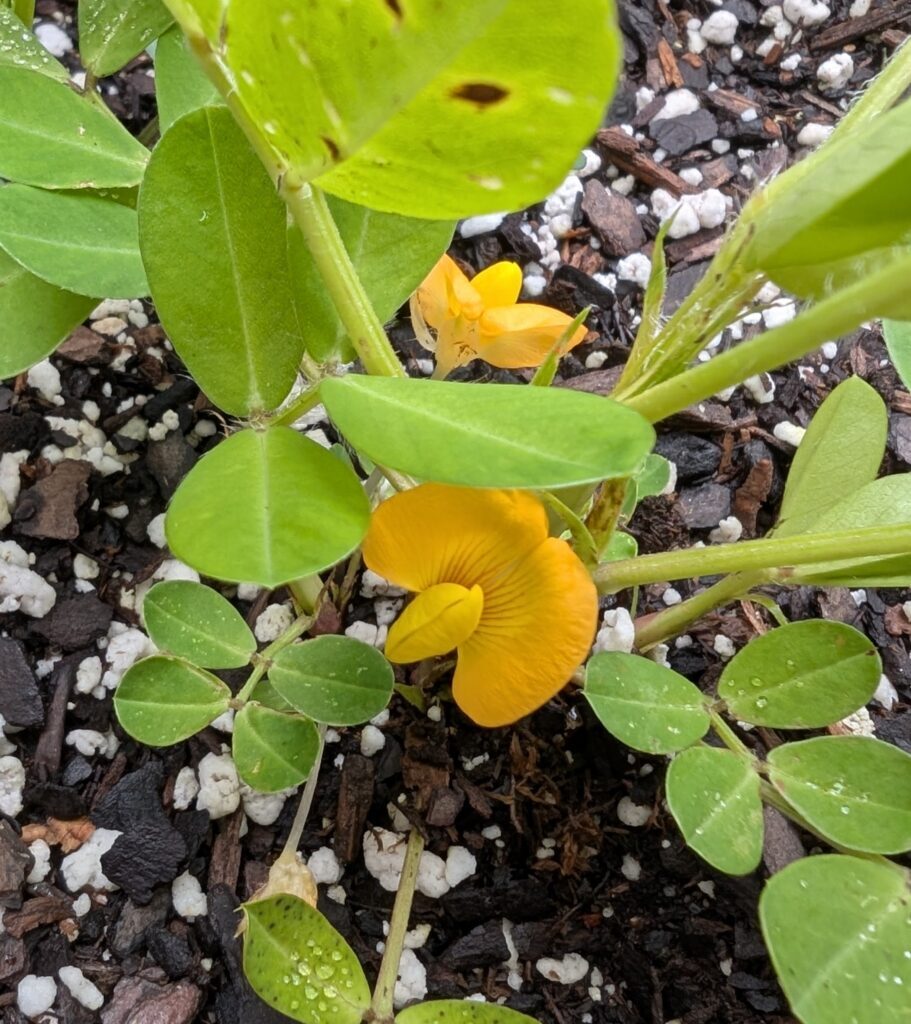
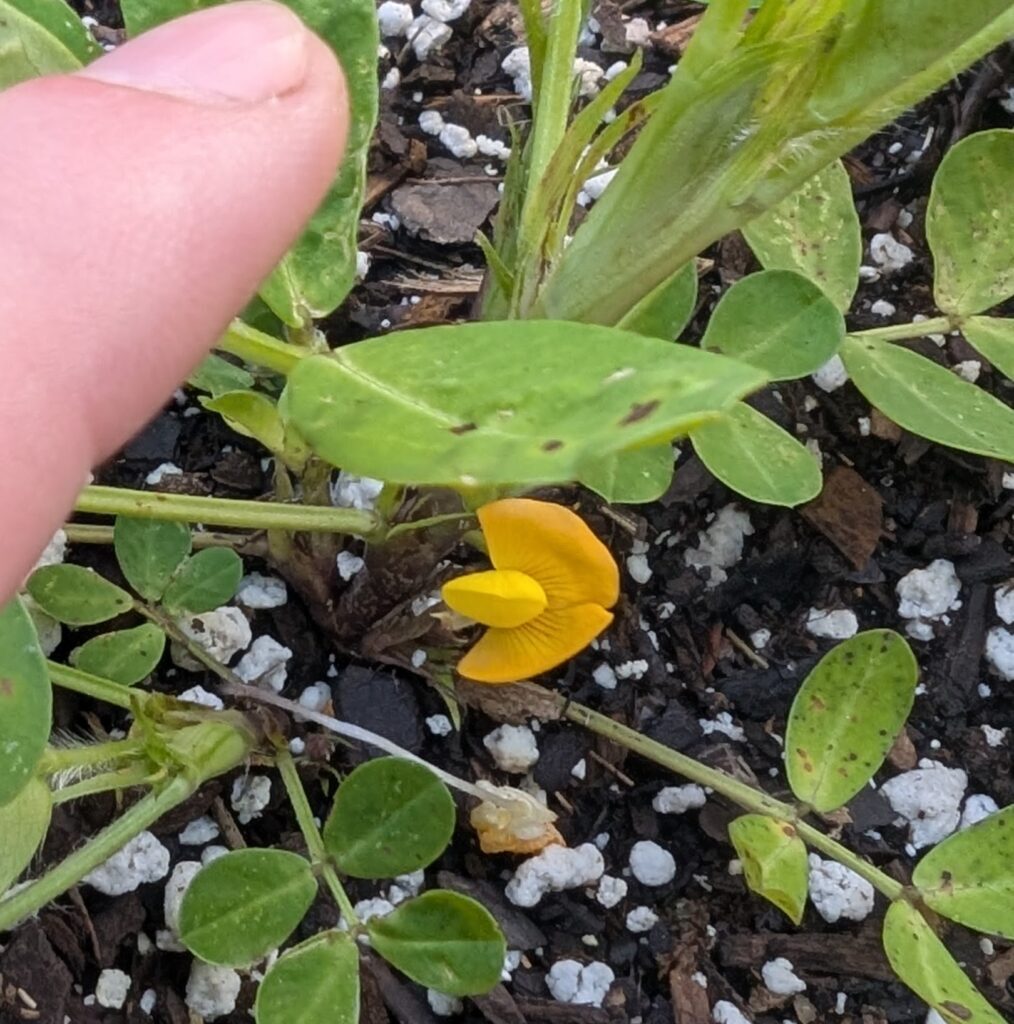
    Carwile’s Virginia peanut blooms. The rain in mid June caused the pegs to rot, but there are more flowers and pegs forming.
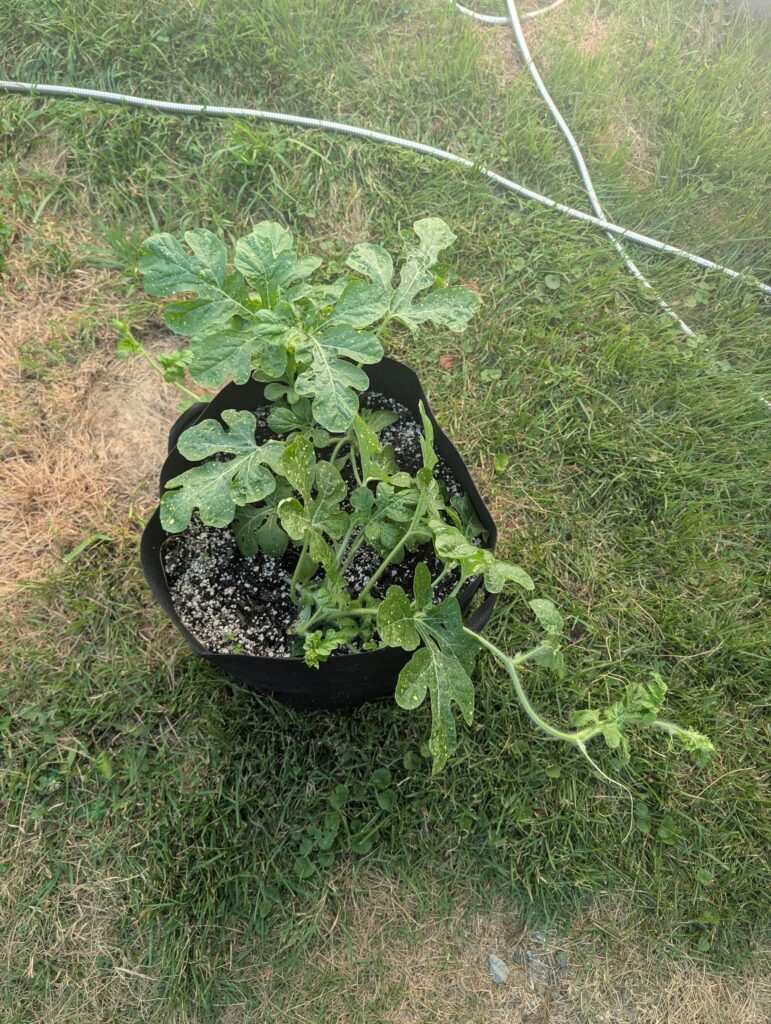
    Moon and Stars watermelon plants

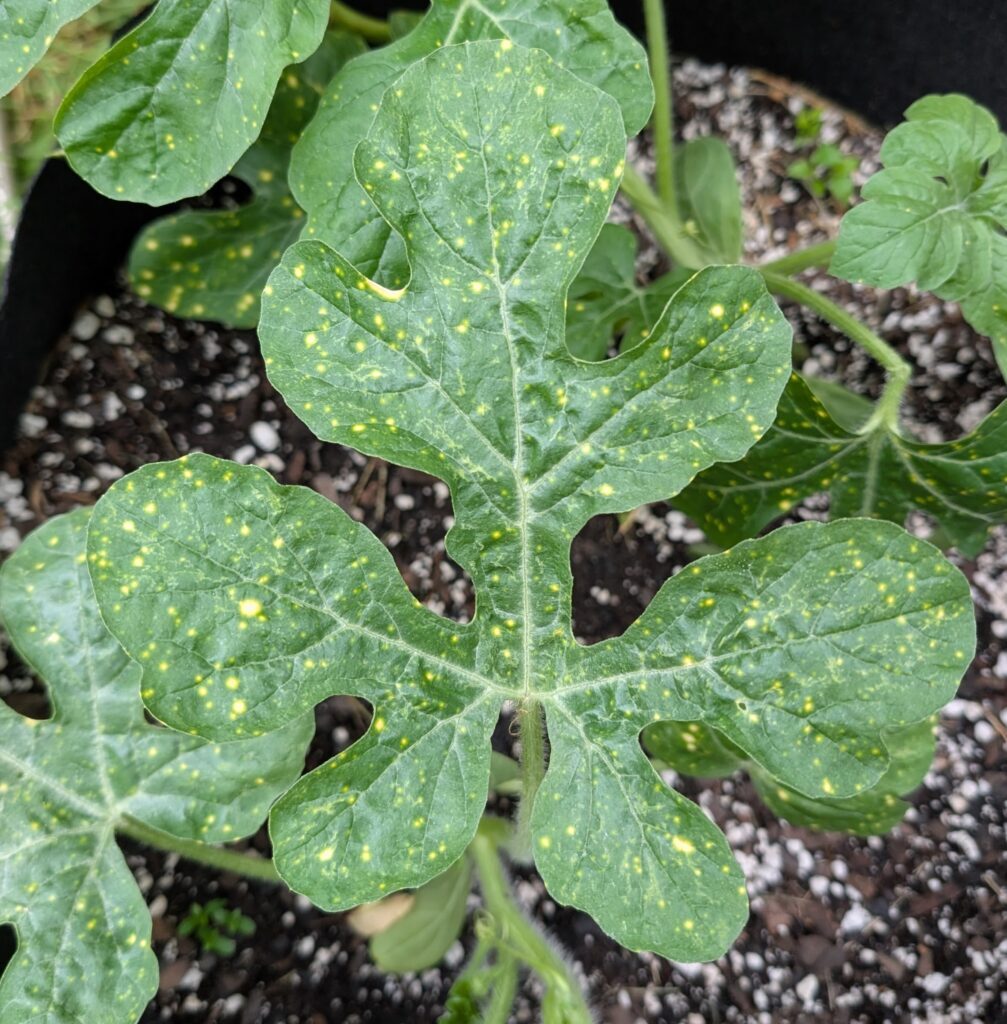
    Moon and Stars watermelon leaves, showing “stars”

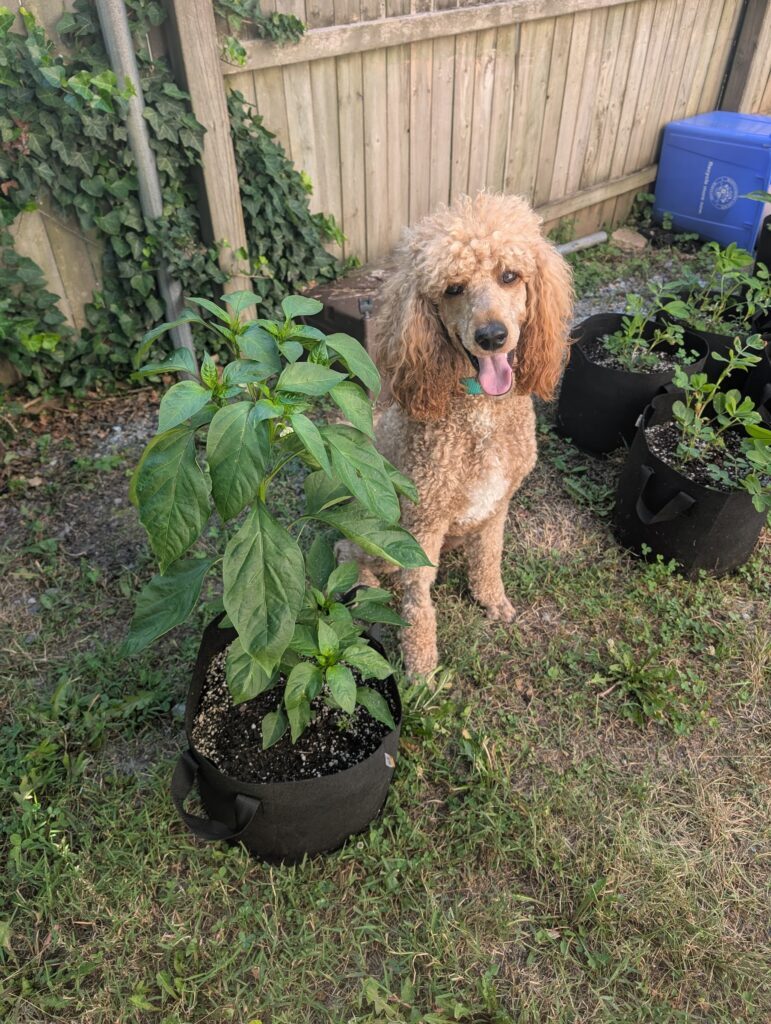
    Russett, my 50lb 21″ at the shoulders standard Poodle, sitting next to my beastly Rezha pepper.

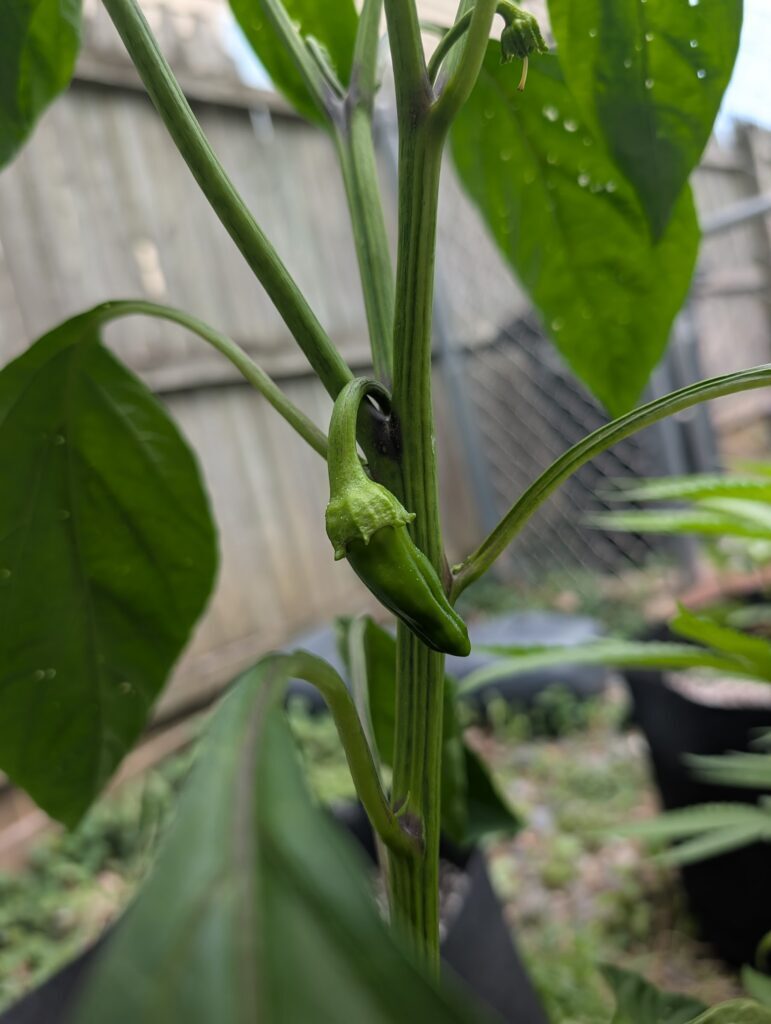
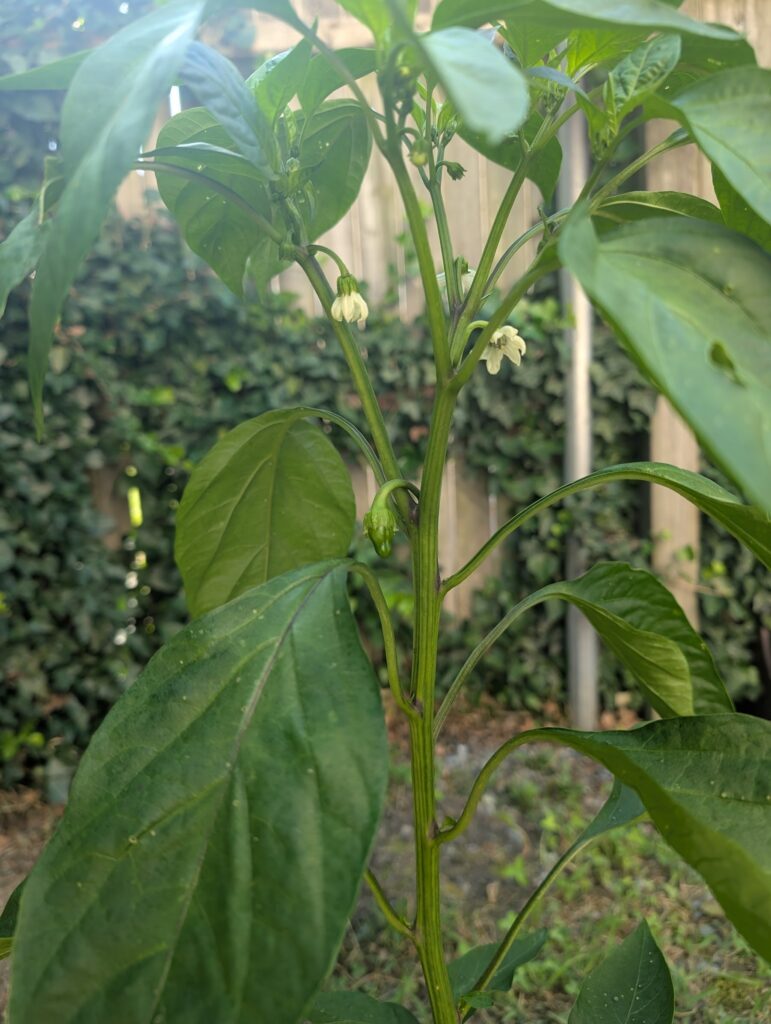
    Rezha pepper and some blooms on the plant

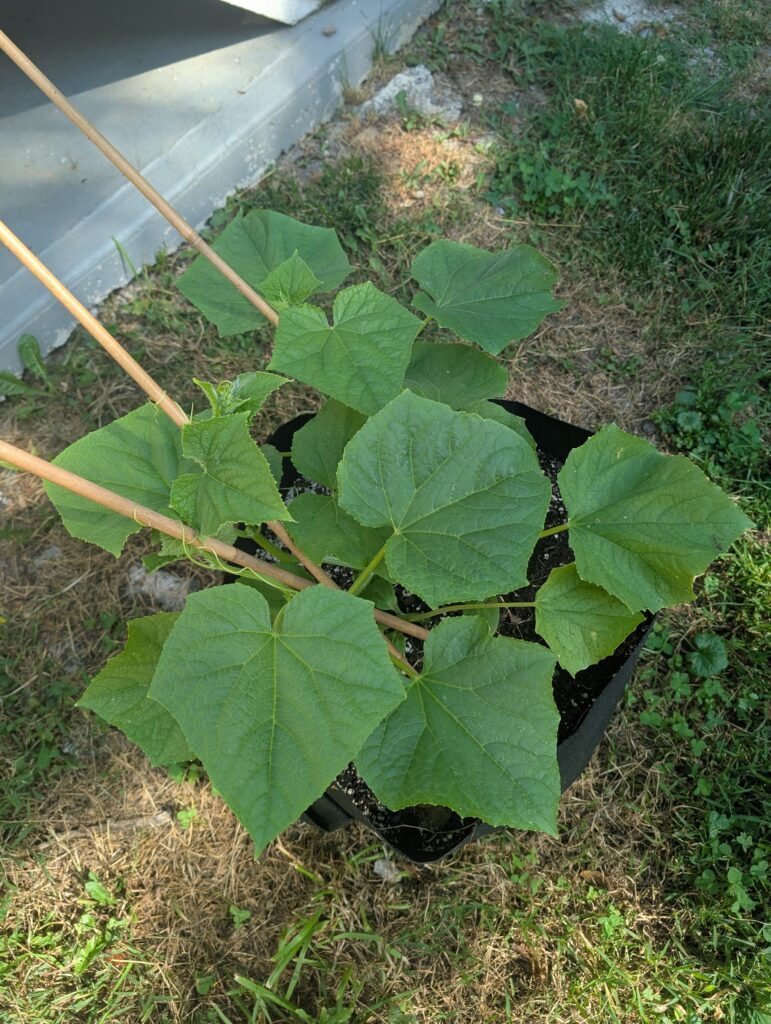
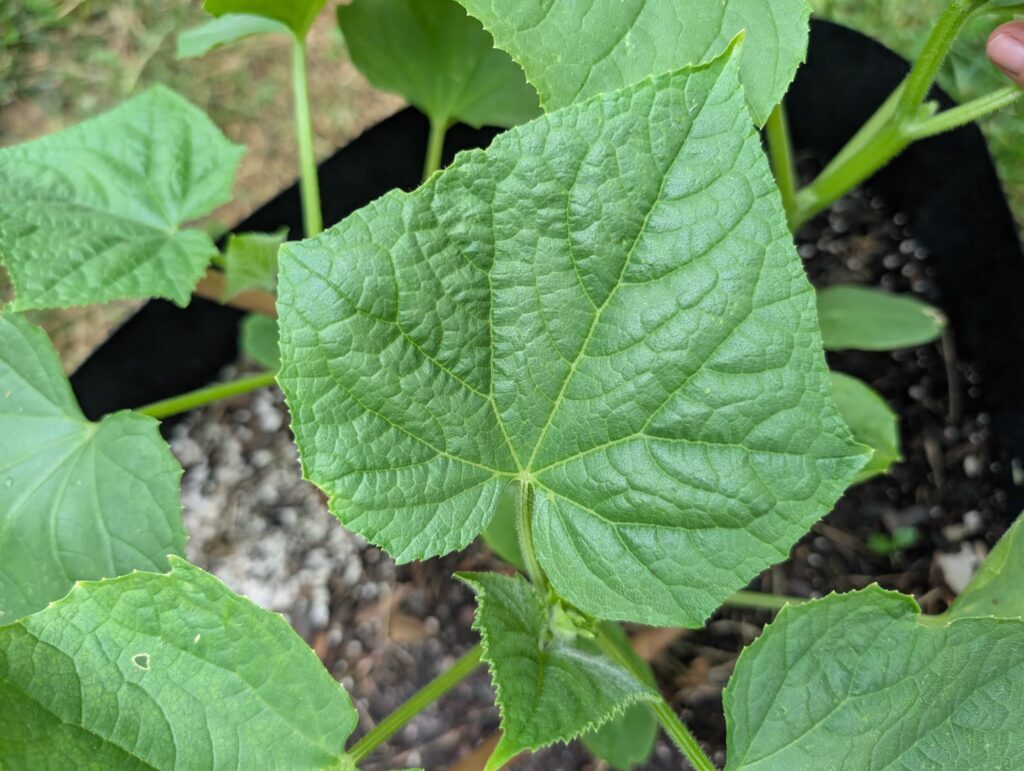
    Suyo long cucumber plant and leaves

    Scorzonera plants thriving

  • Early June 2025 Garden Progress

    My family and I rent. Recently, though, I have been getting interested in vegetable gardening due to my drive for personal and community food sovereignty and security. I started organizing with a Maryland statewide food security network and collecting heirloom vegetables. Because of my renter status, I can’t just go tearing up the lawn to replace it with gorgeous, rare heirloom vegetable treasures. Thus, I have become an avid container gardener. Check it out!

    Carwile’s Virginia Peanut: I got these from a food security network friend at a Southern Maryland seed swap event, but I believe she got them from Southern Exposure and then gave me some of the crop she grew from those seeds.

    According to Southern Exposure Seed Exchange, this peanut is a “[f]amily heirloom from SW Virginia since 1910. Grown by Frank Carwile for over 75 years since he was given this peanut by a traveler when he was 8 years old. He later tried other varieties but found none with a better flavor. 2-4 seeds per pod. Plants have average disease resistance but excellent production and drought resistance.”

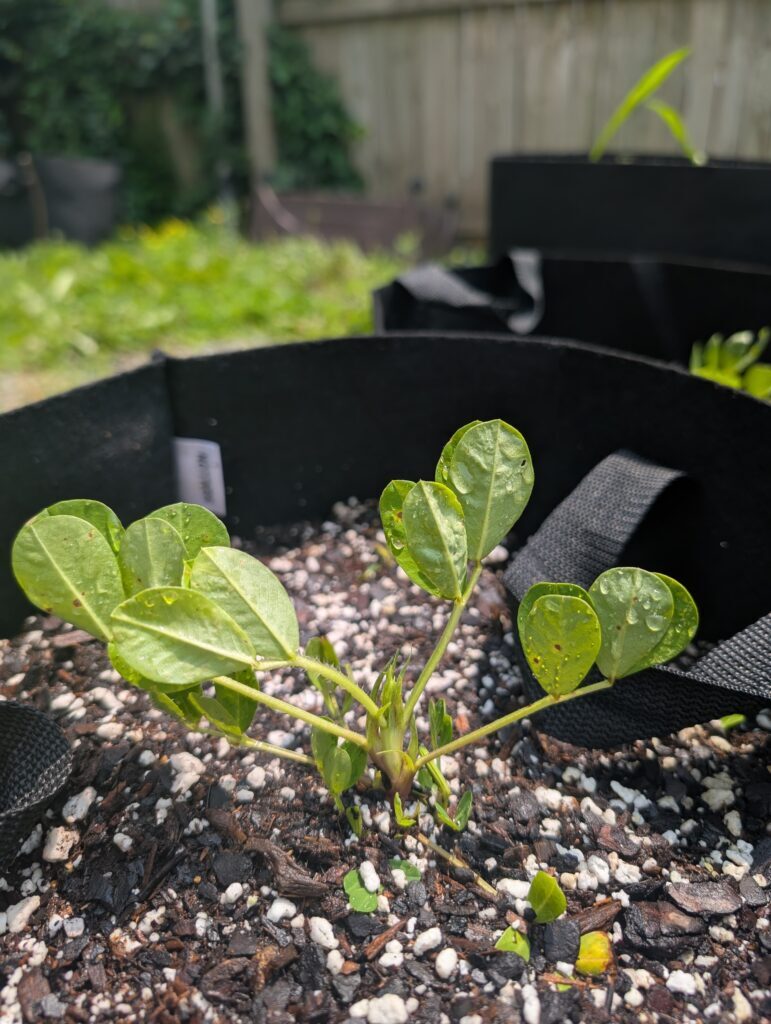
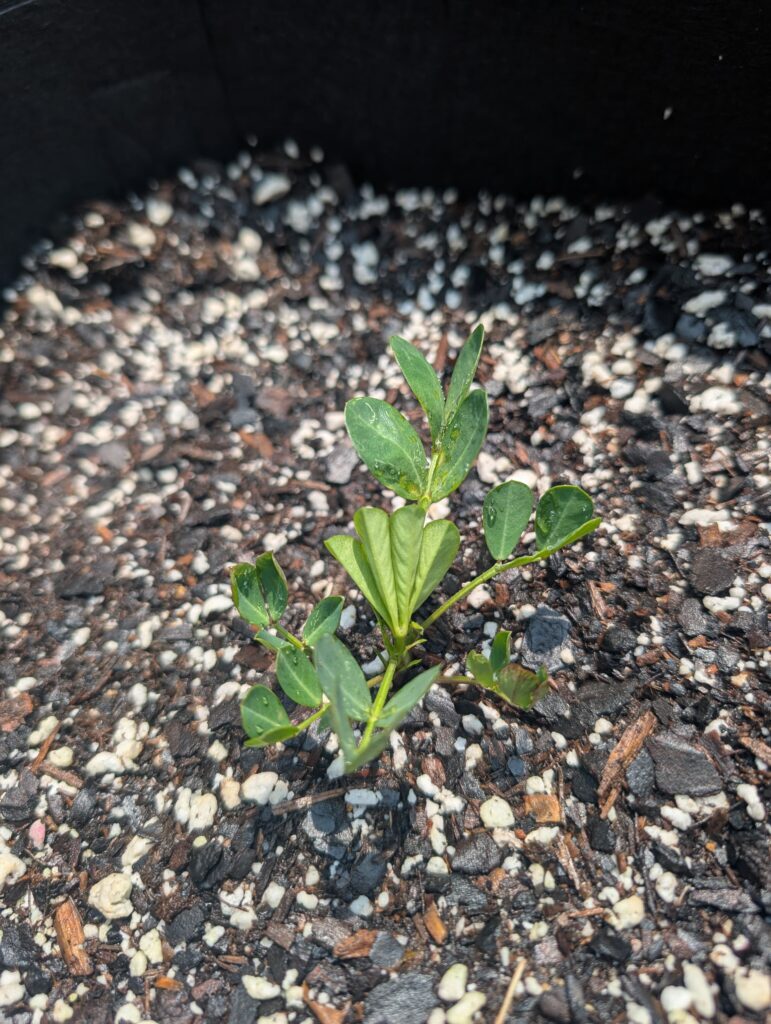
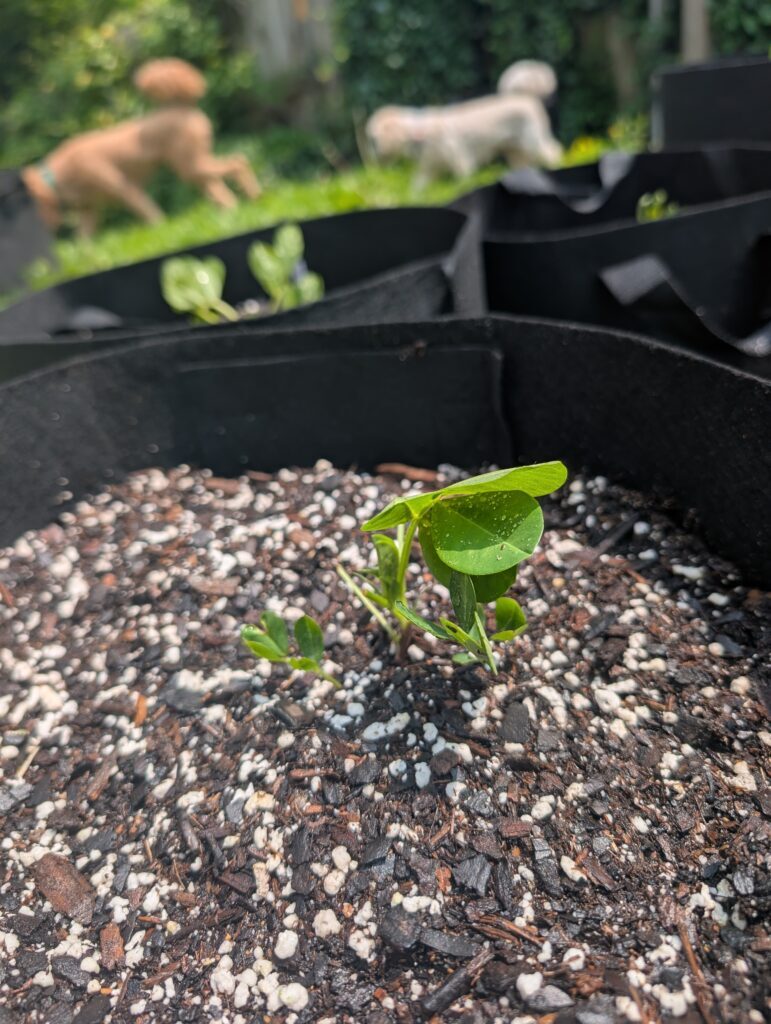
    This is my first time growing peanuts, but so far they are doing well. Some plants have some leaf spots, but none of them are really suffering. I got an 83% germ rate (n=6) on my seeds, and one plant was lost due to clumsiness during transplanting, leaving 4 plants. They seem happy and vigorous and I am SO excited to watch the blooming and seed setting process because it is FASCINATING! Also, it brings me joy that the written story of these peanuts begins with a gift from a traveler to a young boy, and that I obtained some myself at a seed swap as a gift from a friend. Food sovereignty is essential to the history of this Southwest Virginia heirloom peanut.

    Macedonian Rezha Pepper: According to True Love Seeds, “Macedonian Grilling Peppers are called Vezena Piperka or “Embroidered Pepper” in Macedonia, Eastern Europe because of their intricately scarred skin that appears to be threaded. These 6-8″ long, tapered fruits are sweet with the heat of a jalapeno, and are used to make paprika powder. According to William Woys Weaver, from whom we received our seeds, the “knitted” lines covering the fruits are important to the flavor and release sugars when grilled.

    All chili peppers originate in Central and South America, but were spread and adopted around the globe during and after European colonization of the Americas.

    Also known as: Rezha Macedonian Pepper, Macedonian Peppers, Vezena Piperka, Vesena, Vezanka, пиперки везени, Embroidered Peppers.”

    In my garden, I got an 83% germ rate (n=6), so I had 5 of them. Only 3 were growing healthily, and then the neighborhood deer ate 2 of those. I moved the plants from the front yard to the more closed off back. So, I only have one Rezha pepper left, unfortunately. Without human error, I would have had a 50% success rate of growing a healthy young plant from a seed. Next year, I will be sure to plant out back and/or create a deer microexclusure, as well as plant more seeds in the first place so I get multiple healthy plants. We will see if these peppers are really worth the effort soon.

    Painted Lady Improved Runner Beans: According to Seed Savers Exchange: “(aka Bicolor Runner, Painted Runner) Friar Antonio de Arrabida described this species in Flora of Rio de Janeiro in 1827. Incredibly beautiful bi-colored blossoms are very attractive to hummingbird moths. This strain is less affected by warmer temperatures than other runner beans and is a prolific bloomer. Esteemed as both an ornamental and edible climber.

    • 68 days
    • Conventional
    • Pole bean
    • Bi-colored blossoms attract hummingbirds
    • Beans are black and speckled with tan edges
    • Esteemed as both an ornamental and edible climber
    • Tolerates heat

    This variety works for: Ornamental, Fresh eating, Baking, Roasting, Soups”

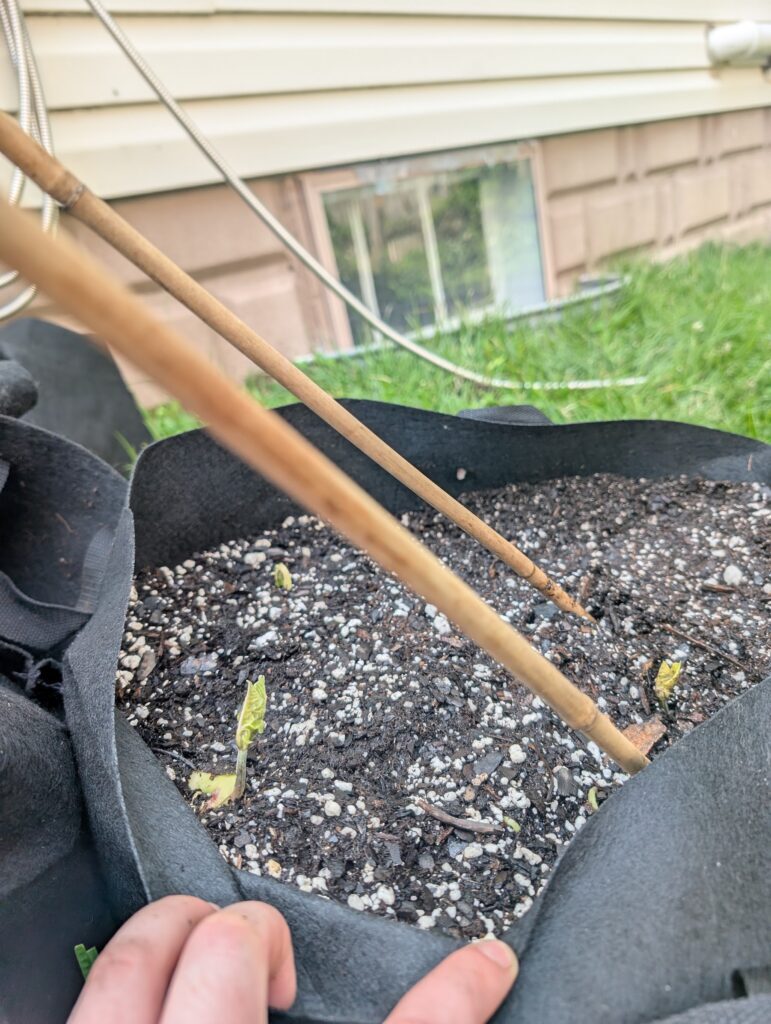
    These beans have impressed me already in the 72 hours the sprouts have been above ground. They went from barely noticeable to 4in long between the time they emerged on June 2, and by the time I wrote this post on June 5. Also, I only remember planting 5 beans, but 6 popped up! Jokingly, I report a 120% germ rate (n=5)! I think I will grow these yearly. Magic beans, indeed!

    Thai Red Roselle: This is another variety I got at the seed swap from a friend! She had grown it successfully the previous year, and I was interested in trying it out. I enjoy hibiscus tea and candied roselle calyxes, and I am also interested in trying to use the leaves in gongura pappu, since dal is a regular part of my diet and I enjoy tart flavors.

    According to Southern Exposure Seed Exchange: “Thai Red Roselle (Hibiscus sabdariffa) is a versatile addition to your garden, boasting beautiful 3-5 ft. plants with striking red stems and leaf veins. The bright red calyxes of this variety can be used to make “zingy” tea, sauce, syrup, or jam, or even candied whole for a unique treat. For strongly flavored teas, simmer for 10-20 minutes. Historically known as “Florida cranberry” in the 1890s, this plant offers edible flowers and young leaves with a citrus tang, perfect for use in Burmese cooking!

    Space plants 3-6 ft. apart to maximize calyx ripening; wider spacing encourages more abundant yields. Thai Red Roselle is the only variety in several trials to begin flowering by mid-summer in Virginia.”

    I got 100% germ out of 24h tapwater soaked seeds (n=3), but one seedling was weak (weeded out) and another was eaten by deer, leaving only one remaining plant.

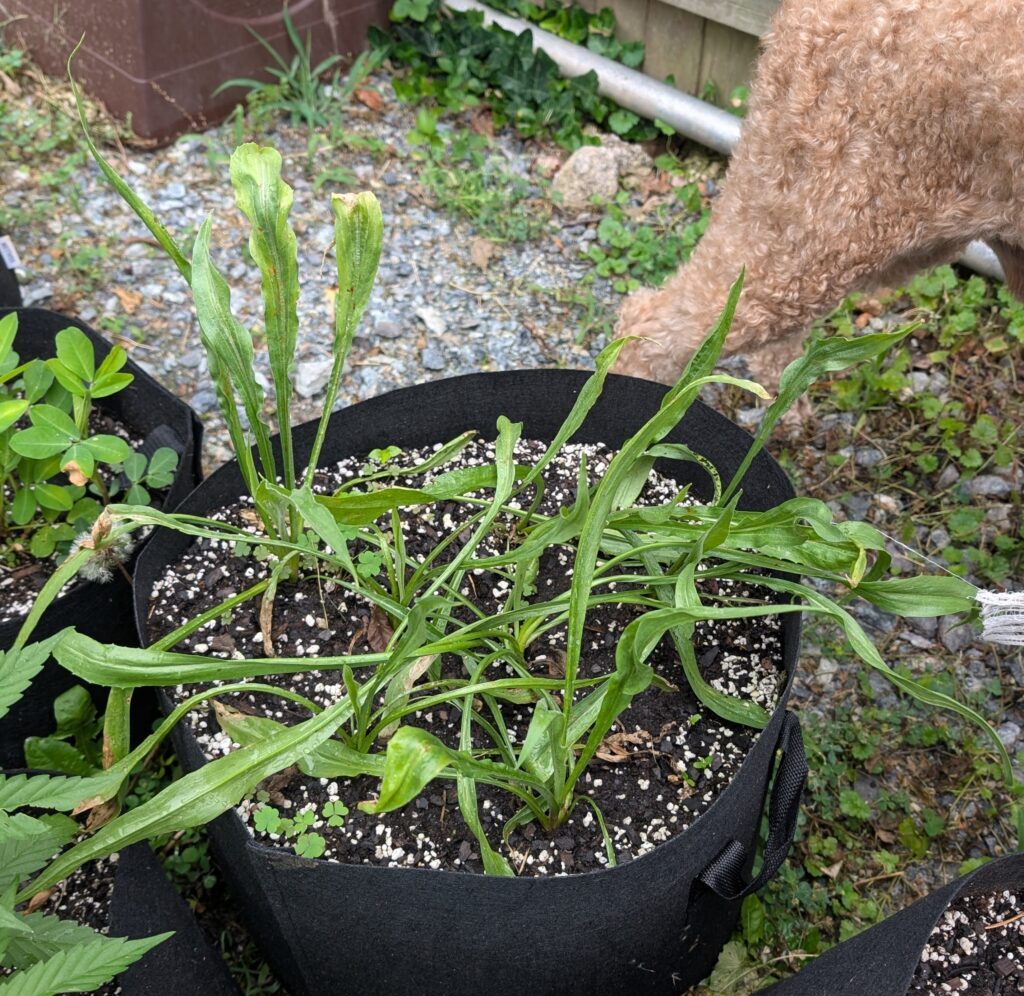
    Scorzonera: AKA “Black Salsify;” it is not salsify. However, both true salsify and scorzonera are in family asteraceae. These are unfamiliar vegetables to most American gardeners. Both are biennials grown for their roots, which are cooked in a similar manner to parsnips.

    According to True Leaf Market: “Perennial in zones 6 to 9. Can be grown as an annual. 100 to 130 Days. One of the lesser known root vegetables, Black Salsify is a 17th century European heirloom grown, harvested, and prepped in the kitchen much like more familiar root vegetables. Also known by dozens of names including “Spanish salsify”, “Black oyster plant”, or just “scorzonera”, Black Root salsify is an exotic substitute for more traditional parsnips and carrots.”

    In my opinion, this is a very easy plant to grow. I don’t recall the germ rate, but it was 80%+, and all sprouted seedlings were extremely healthy. Here I have 7 plants in a 10 gallon pot. Maybe this is a little crowded. I may do the same number in a 15gal next year. I am very excited for these, but I am going to be patient! I will harvest only a few this fall, and let the rest set seed to save next year before harvesting.

    I am so hopeful for this year’s garden, and even more hopeful for all the improvements I will make next year from what I have learned! I am incredibly thrilled to start distributing seeds around the state, and sharing vegetables with friends.