Laueana Growing

Category: Pinguicula

Mexican and tropical butterworts

  • Carnivorous Plant Tissue Culture Success!

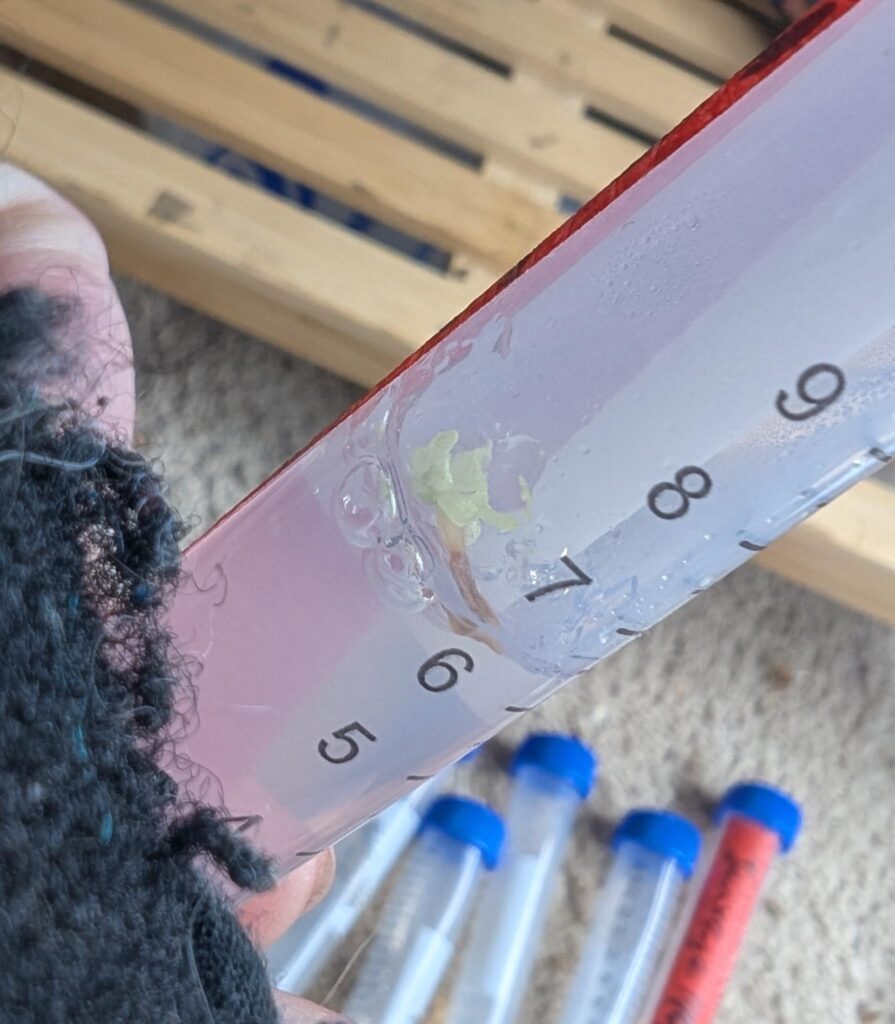
    a 15 milliliter falcon tube containing agar media and a small hybrid carnivorous plant Pinguicula jaumavensis x cyclosecta growing in tissue culture

    A Recap of Challenges

    I started my journey in carnivorous plant tissue culture late this summer. Explant sterilization in particular has been extremely difficult. In order for a section of plant tissue to grow on agar media, all microbes present with it must be removed by a chemical agent. I have observed mostly fungal contaminants in my media. Sometimes, they can actually have very interesting colors, like indigo and crimson. As interesting as that is, it’s definitely not what I want.

    The importance of sterilant choice in carnivorous plant tissue culture

    The sterilant is the chemical agent used for explant sterilization. There are many different chemicals you can choose from, most of which are chlorine based. Normally, it is a chlorine based agent. So far, I have tried two: sodium dichloroisocyanurate (NADCC), and calcium hypochlorite. Calcium hypochlorite was, in my experience, far less effective a sterliant. It was also extremely noxious to work with. Using NADCC seems to give much better chances of avoiding contamination.

    Current Success

    In November, I tried my hand at carnivorous plant tissue culture again. I did two batches of explants with 3000ppm NADCC. I used the same vacuum apparatus as last time, with unscented Castile soap again. Two jaumavensis x cyclosecta explants survived and stayed free of contaminants!
  • Carnivorous Plant Show

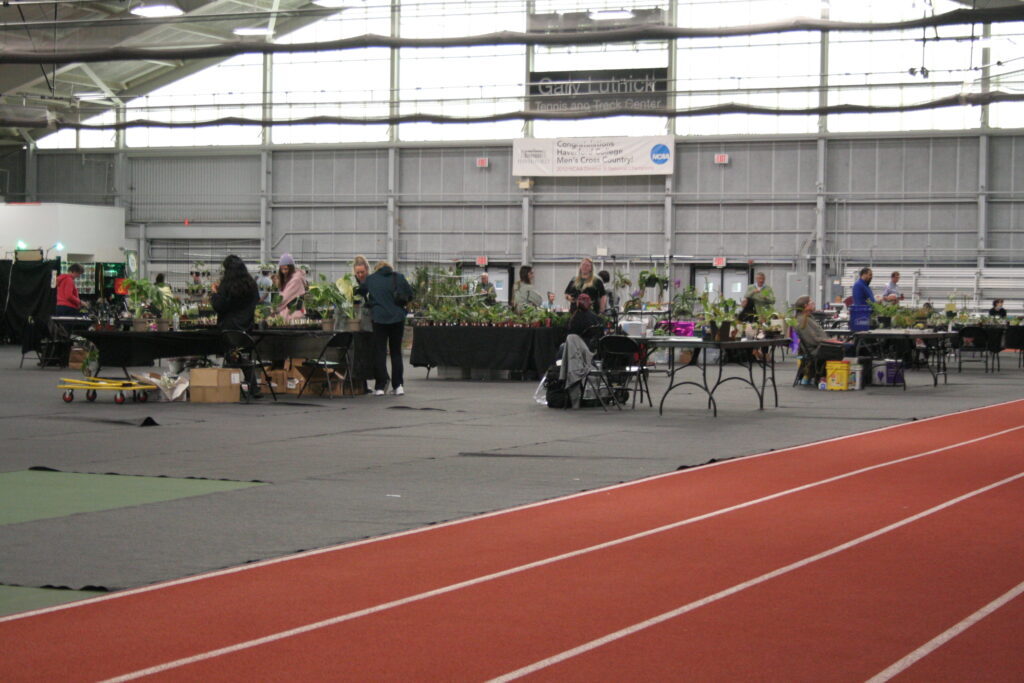
    I had an amazing time at the Mid Atlantic Carnivorous Plant Society’s inaugural 2025 carnivorous plant show at Haverford College in Lancaster, PA!

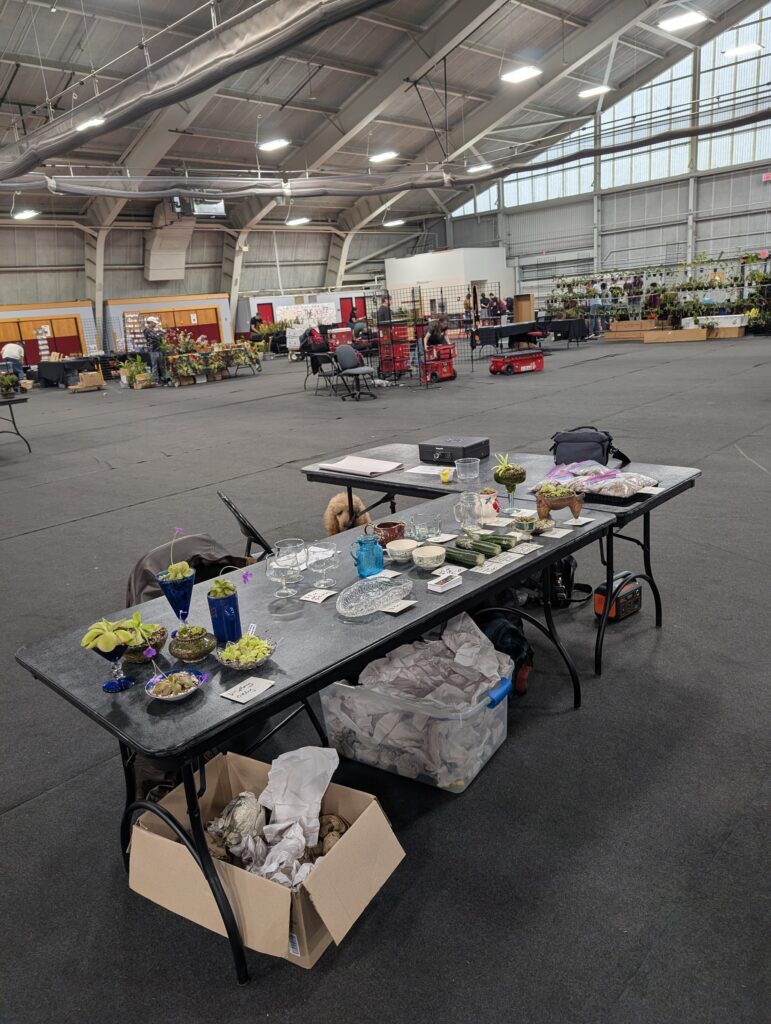
    Mid Atlantic Carnivorous Plant Society 2025 carnivorous plant show in the field house at Haverford College in Lancaster, Pennsylvania, USA. Vendors set up tables inside an indoor track arena.

    This was the first time I tabled as a vendor, and the first time I went to a carnivorous plant show. I had a wonderful experience and I am extremely grateful to MACPS for coordinating and hosting this event. There were about 300 people attending, enough for consistent engagement at my table but not overwhelming.

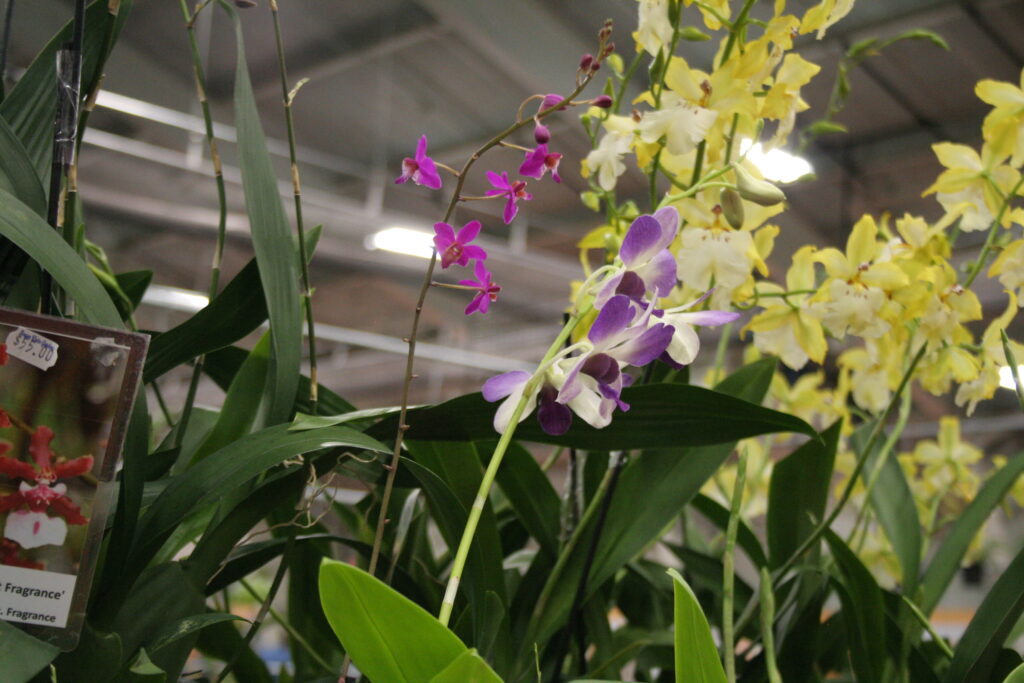
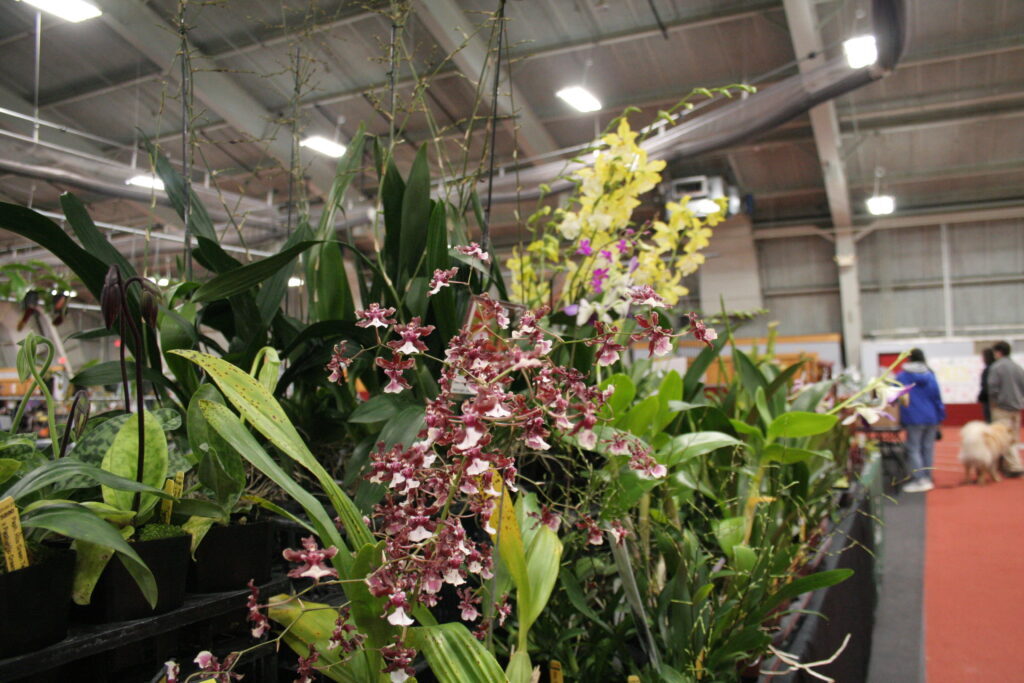
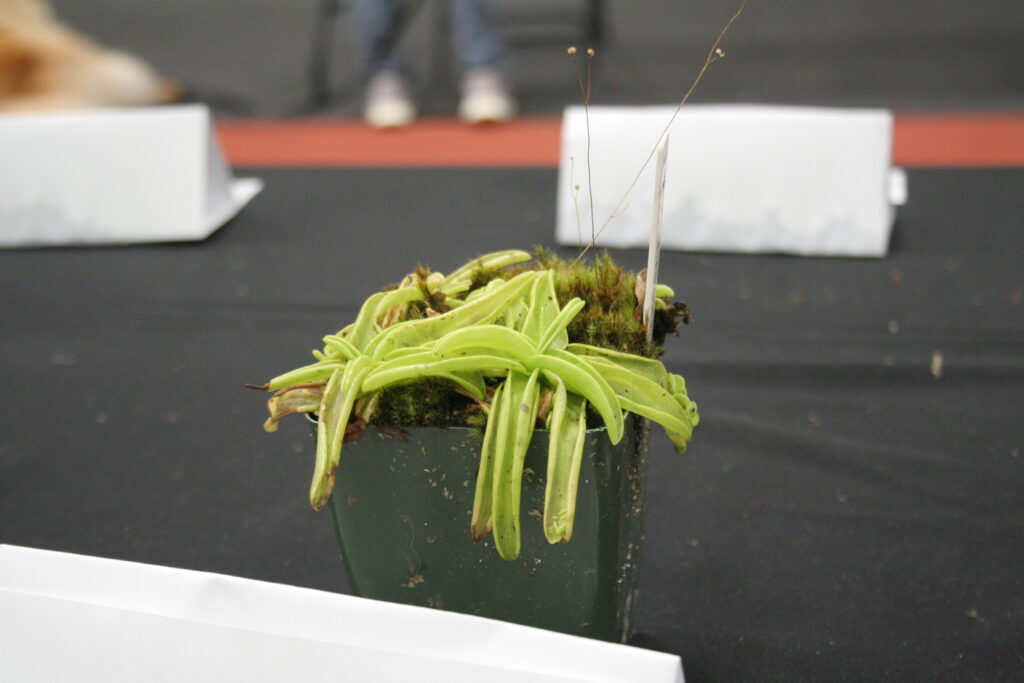
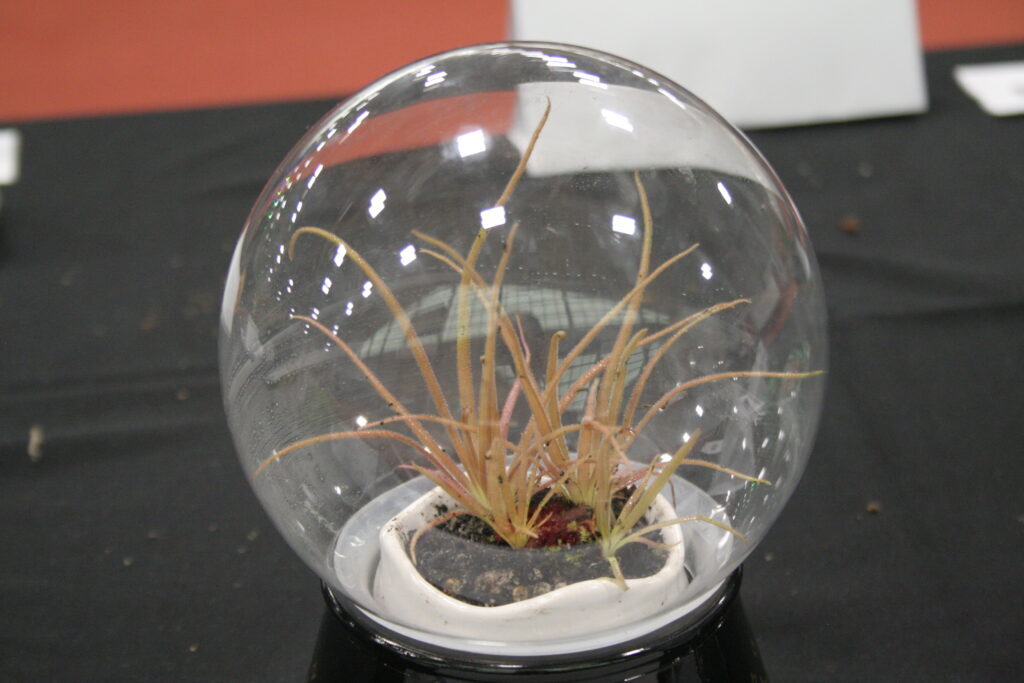
    I was one of about a dozen vendors there. Most had some kind of carnivorous plant, but a few had orchids and one even had bonsai trees. Sarracenia, or American pitcher plants, were very popular, as were Nepenthes, or tropical pitcher plants. Pinguicula were a small but distinct presence at many booths, and the star of the show at a few, counting myself.

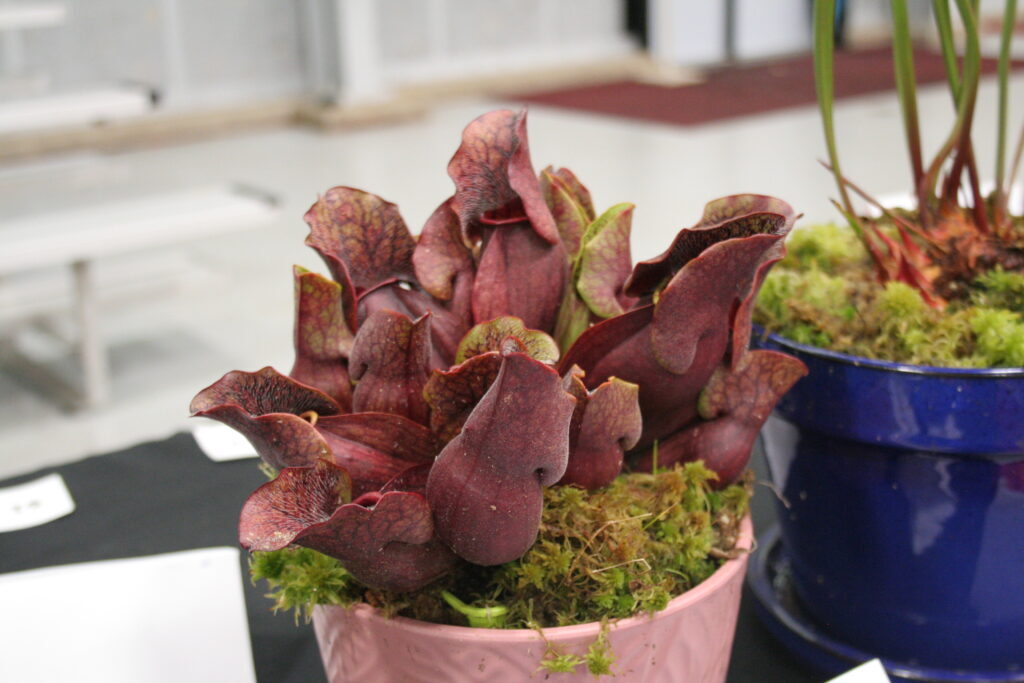
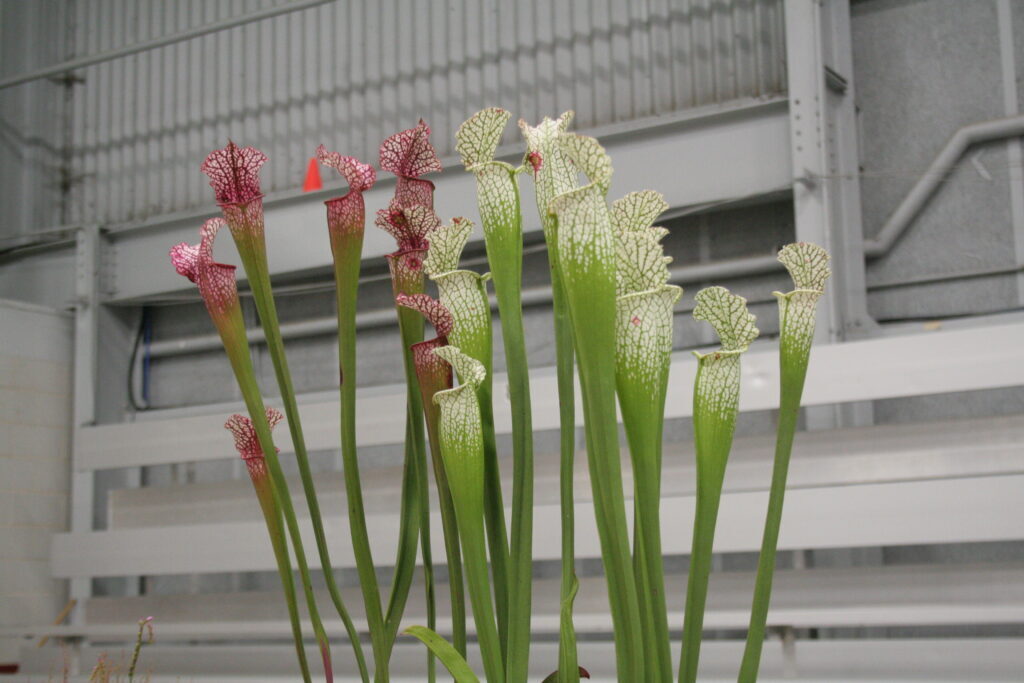
    Two different types of Sarracenia side by side, both are tall but one is green and reddish and one is all green and white with no red.
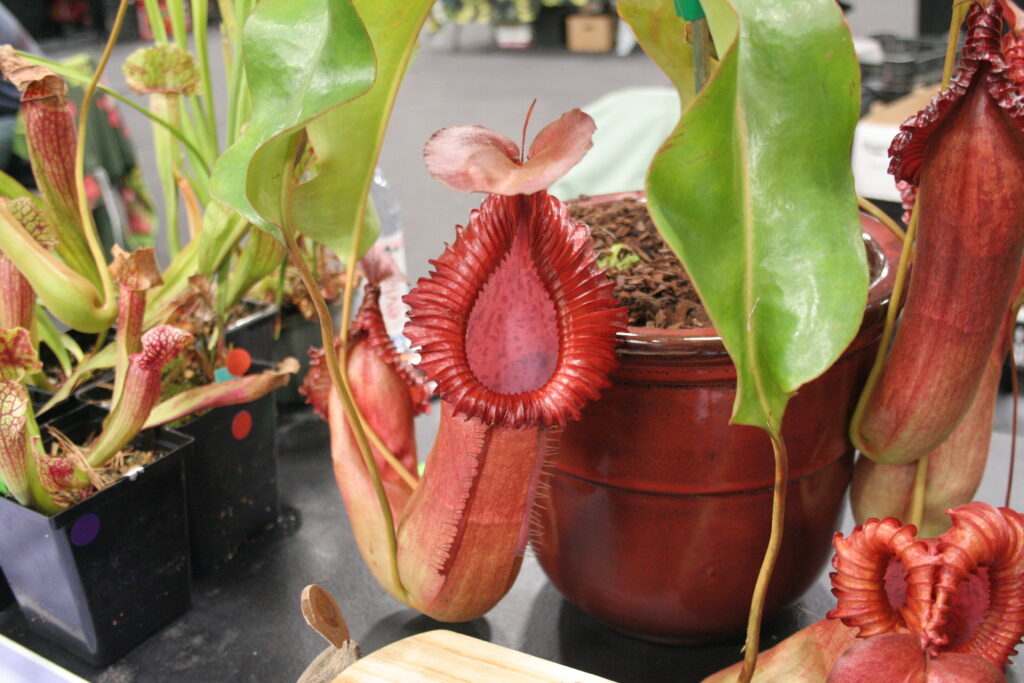
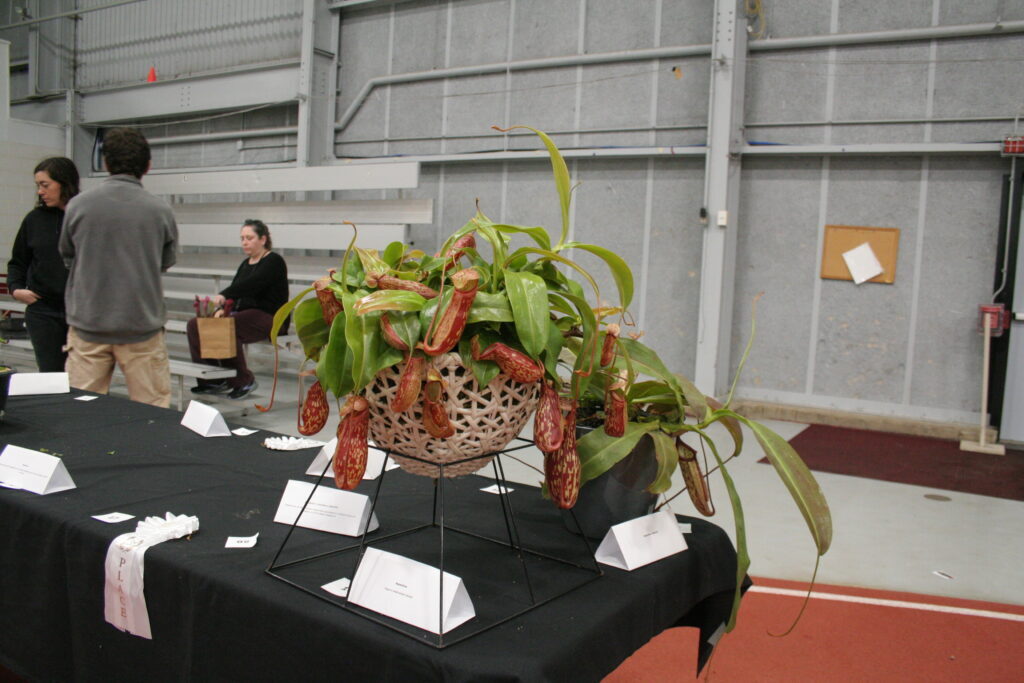
    A large Nepenthes or tropical pitcher plant pitcher at a carnivorous plant show

    About a month and a half before the show, a household cat got into my inventory and destroyed the majority of it. This sent me scrambling to put together arrangements to sell with extras from my surviving collection. I decided to sell ping soil and small, non-draining containers I thrifted, since pings can grow in those. I also had three Echinopsis cactus cuttings for sale, two of which were a complex hybrid from Prickocereus with monstrose growth forms.

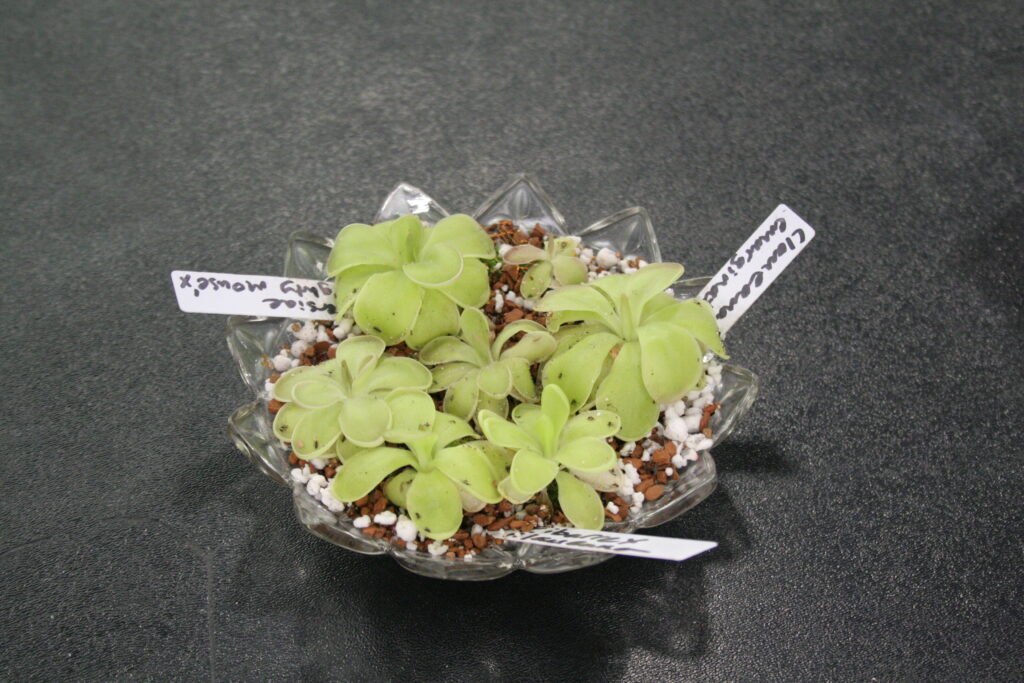
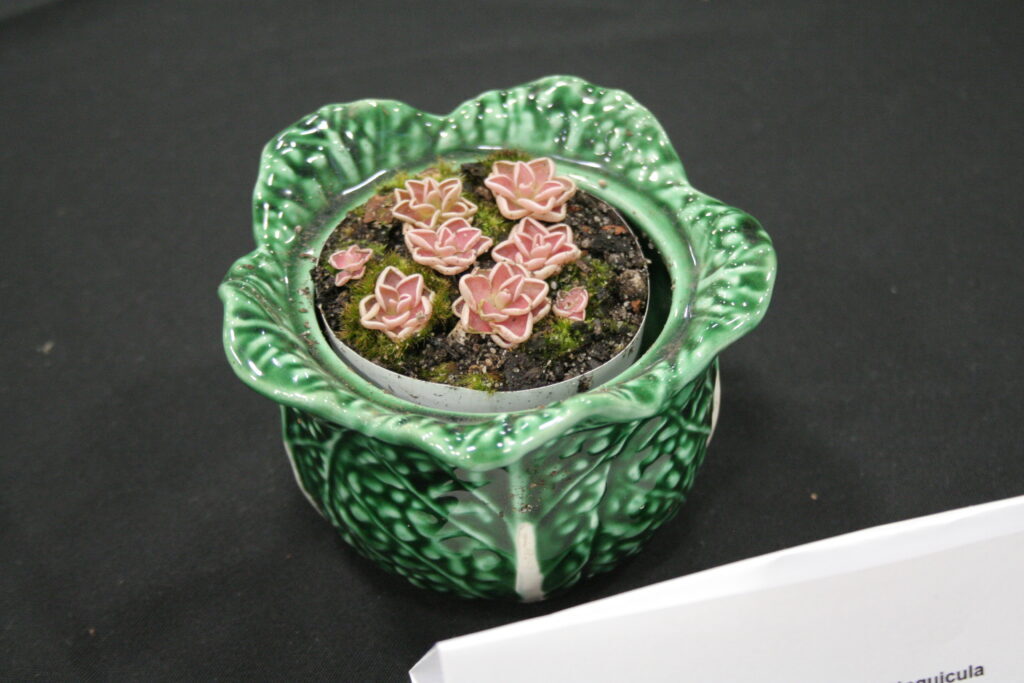
    In addition to items for sale, I presented several display items. The one I am most proud of is a small bonbon dish with three seed grown in-house hybrids (bottom image of next gallery). The plants in the dish are: P. moranensis ‘Kewensis’ x P. ‘Seductora,’ P. laueana x P. ibarre, and P. laueana “Red” x P. ehlersiae “Mighty Mouse.”

    The following gallery is of my table, my items for sale, and my items on display.

    My table at the carnivorous plant show with arrangements and items for sale plus containers. My dog's head pokes out from behind the table and there are other tables in the background.
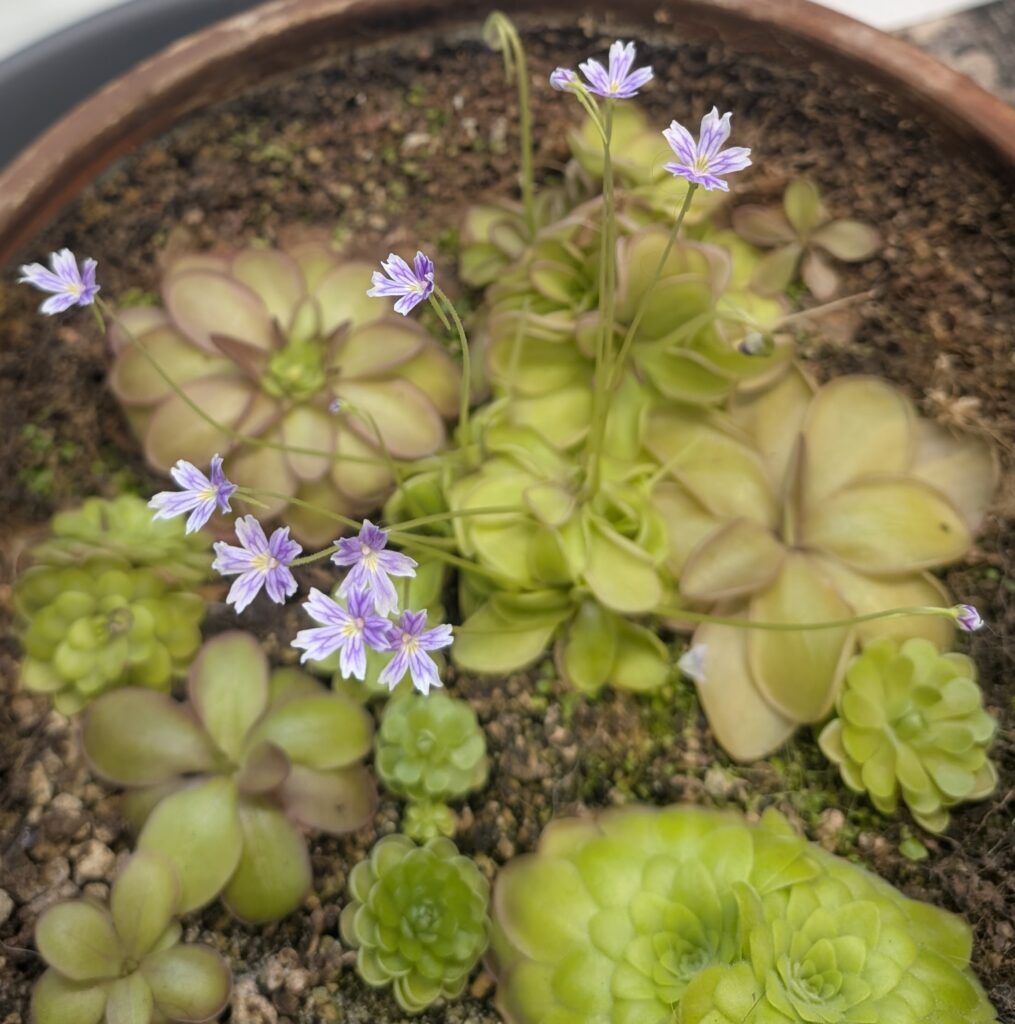
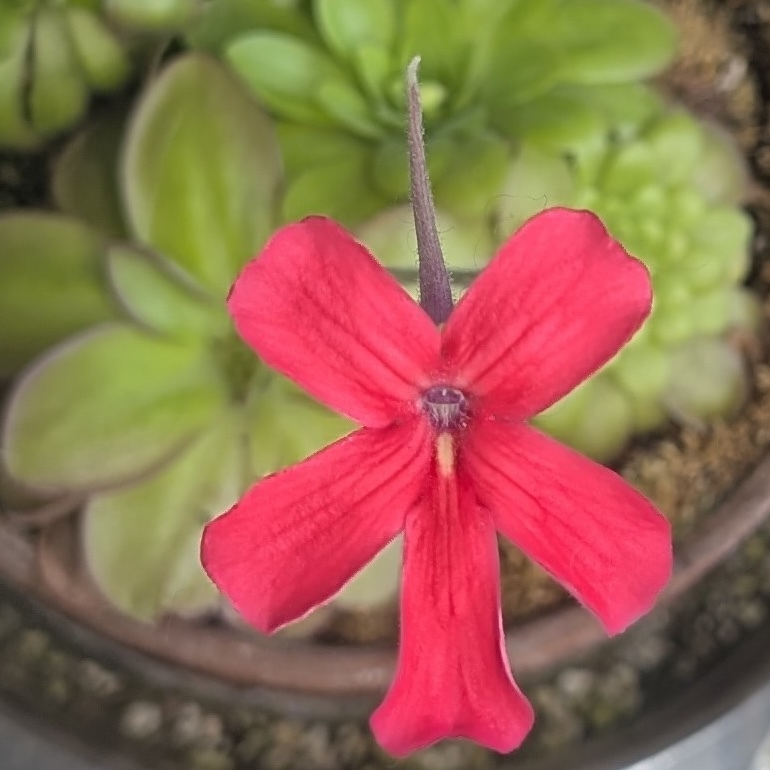
    A carnivorous plant arrangement with Pinguicula macrophylla in flower. The flower is purple with five petals and a cream/white throat spot.
    A carnivorous plant arrangement in a bonbon dish featuring three in house  by Laueana Growing seed grown Pinguicula hybrids.

    To my surprise, my best selling item was my ping soil. It is just turface, perlite, and some vermiculite. Most carnivorous plants prefer peat perlite mix, but tropical pings are lithophytes, or plants that grow on rocks. They much prefer sandy, rocky soil.

    I also sold a few containers, one small ping arrangement, and one cactus cutting. Overall, I think I did well. I will definitely come back!

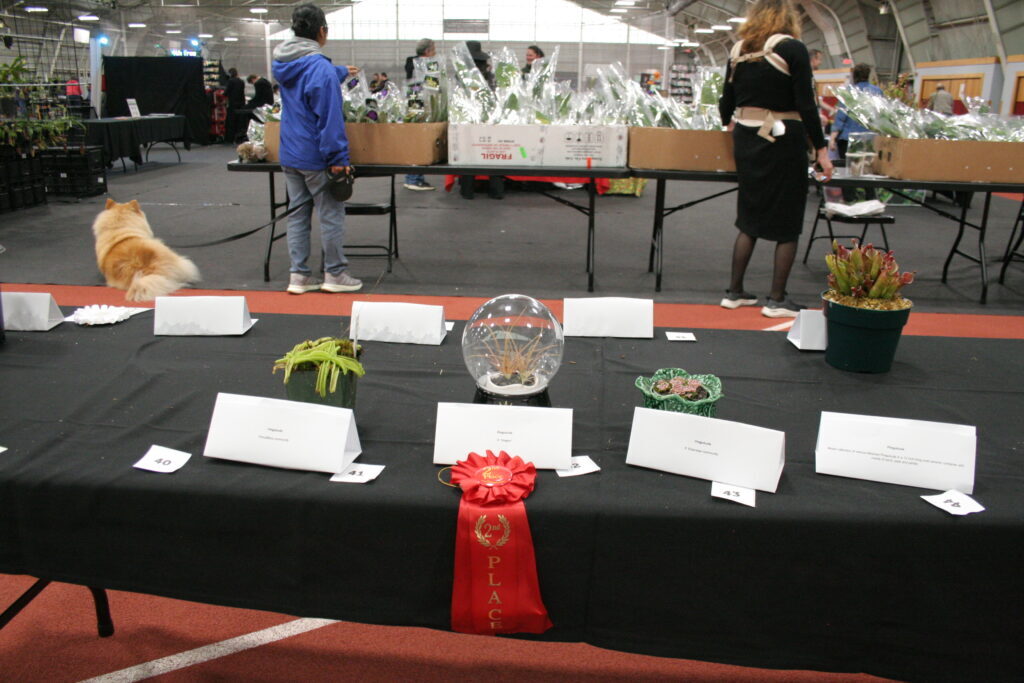
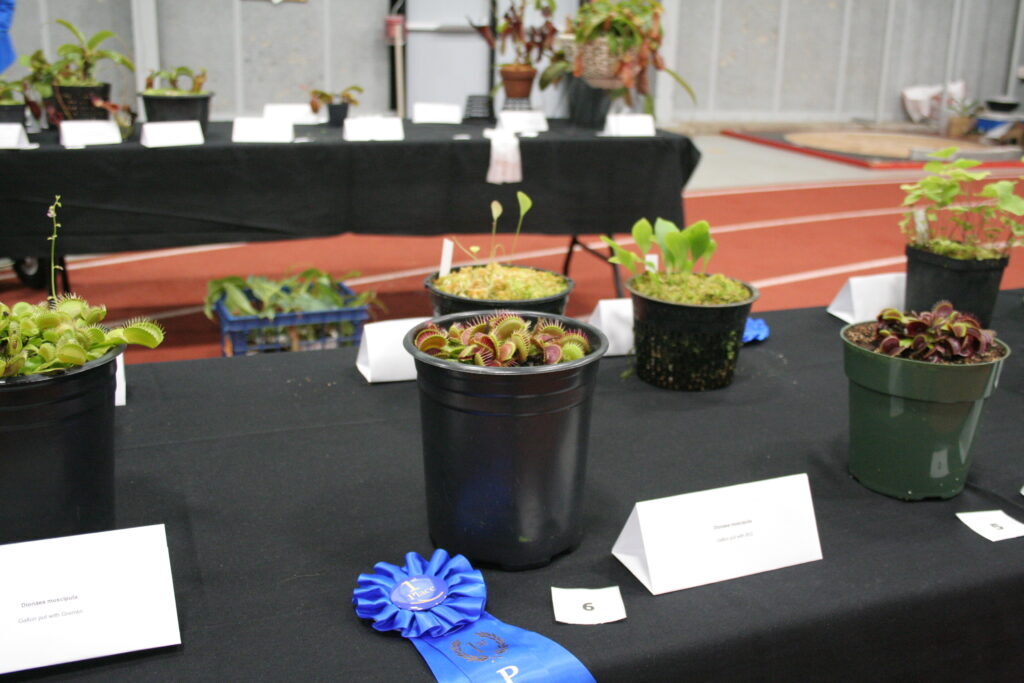
    The next gallery is of plants at the carnivorous plant show display tables.

    A carnivorous plant arrangement featuring pink Pinguicula ehlersiae
    Blue ribbon winning Dionaea (venus fly trap)
  • Plant show was totally awesome!

    I had an amazing time at the MACPS 2025 plant show! I sold a few items and handed out literally all of my business cards. I have tons of pictures to go through so stay tuned for updates on that!

  • Carnivorous Plant Tissue Culture Learning Curve

    I have continued my experiments with carnivorous plant tissue culture.

    I have been struggling with endogenous contamination in the plants. TC is always challenging, and carnivorous plant tissue culture can be especially challenging. It is one thing to be able to produce sterile agar in a jar but another to destroy microbes without destroying plant cells.

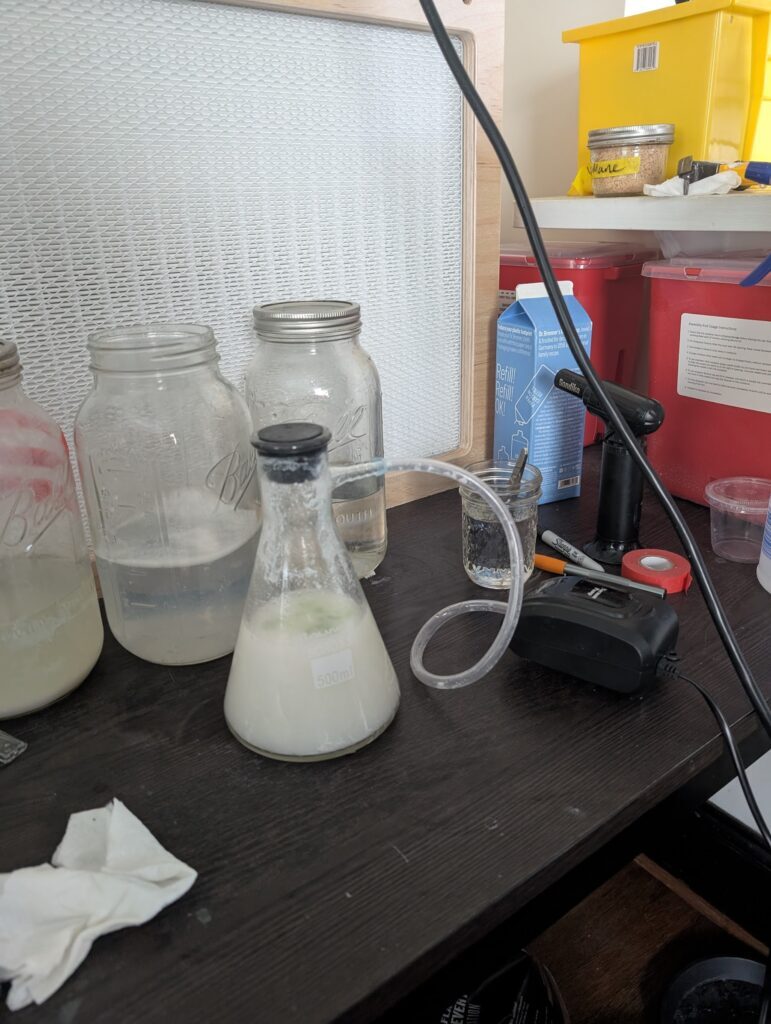
    I tried a new method by doing the explant sterilization under a vacuum and with detergent. I still used calcium hypochlorite, but I used 3% instead of 4% and extended the sterilization time from 8 to 11 minutes.

    A carnivorous plant tissue culture explant sterilization setup designed to work under a vacuum. An Erlenmeyer flask with a cork in the top and a vacuum extension is attached to a small laboratory vacuum by a tube. In the flask is calcium hypochlorite and detergent solution and the explants. It sits in front of a flow hood.

    The vacuum setup functioned well mechanically. However, many of the explants died, got contaminated, or both, as before. I think I will likely need to change sterilants from calcium hypochlorite to NaDCC. It is more stable and effective, and less toxic.

  • My First Tissue Culture Attempt

    Pinguicula emarginata “purple” in bloom during its prime

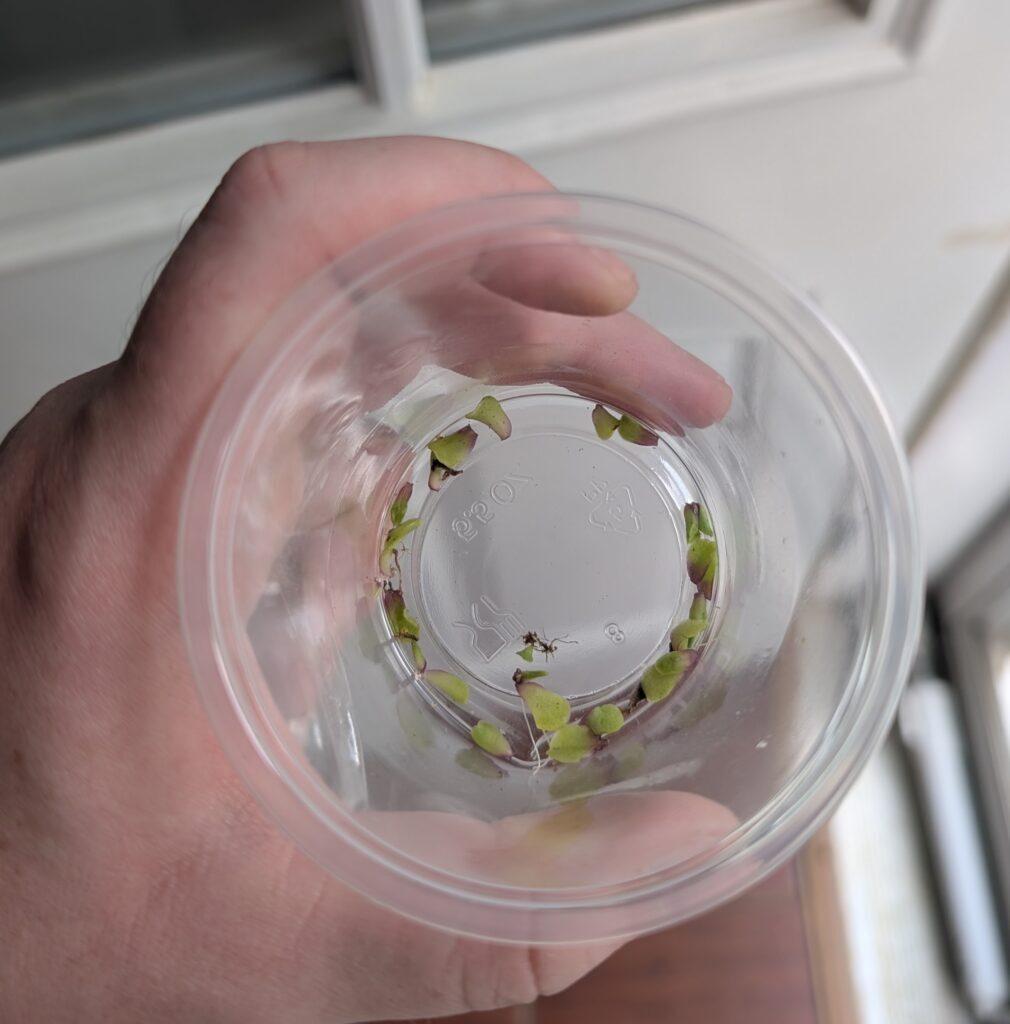
    I tried tissue culture for the first time with explants (pieces of plant) from P. emarginata “purple.” It had been a vigorous plant for me for years, but then suddenly started slowing down. I didn’t want to lose the genetics, because you don’t see this plant for sale often. I had a learning curve with making the media, and I can only hope that the one for actually inoculating it and using it isn’t steep. I made 4 TC containers with 3-4 emarginata explants each, and I can only hope that the explants will soon grow to a size where I can continue to divide them. As always, I worry over the possibility of contamination. Ah, contamination: the bane of every horticulturalist and mycologist’s existence. What if one little spore got in somehow? It’s always possible. But, time will tell.

    Pinguicula emarginata “purple” explants in a plastic cup

    Pinguicula emarginata “purple” explants in a TC container on agar

  • Carnivorous Plant Tissue Culture Experiments

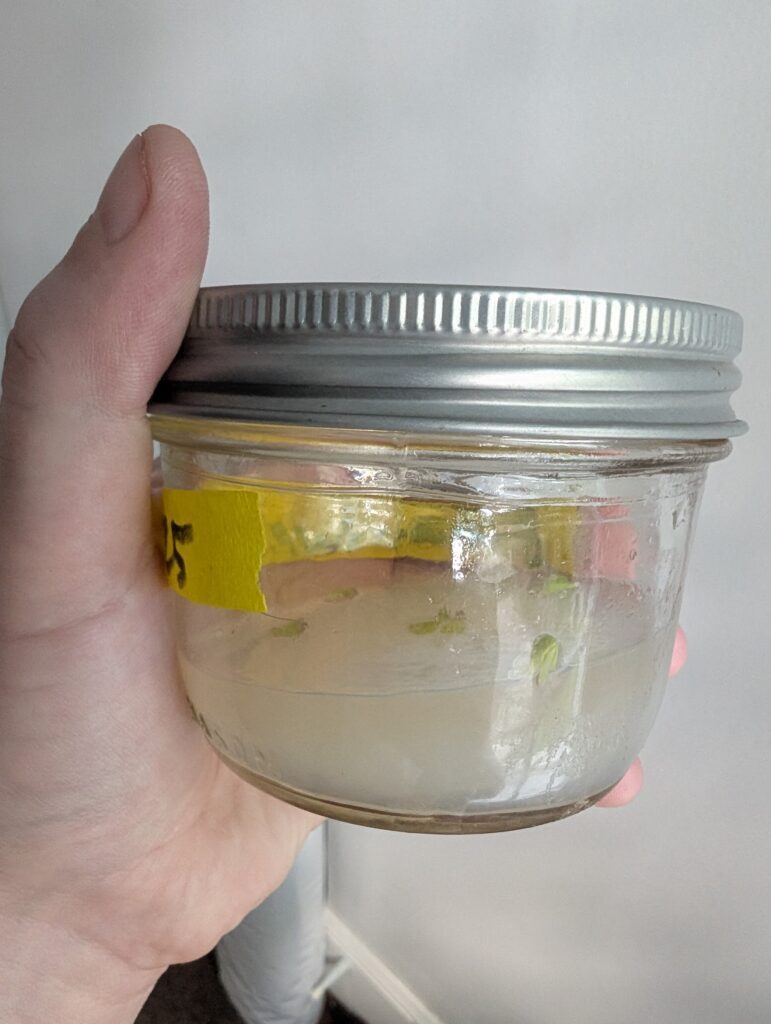
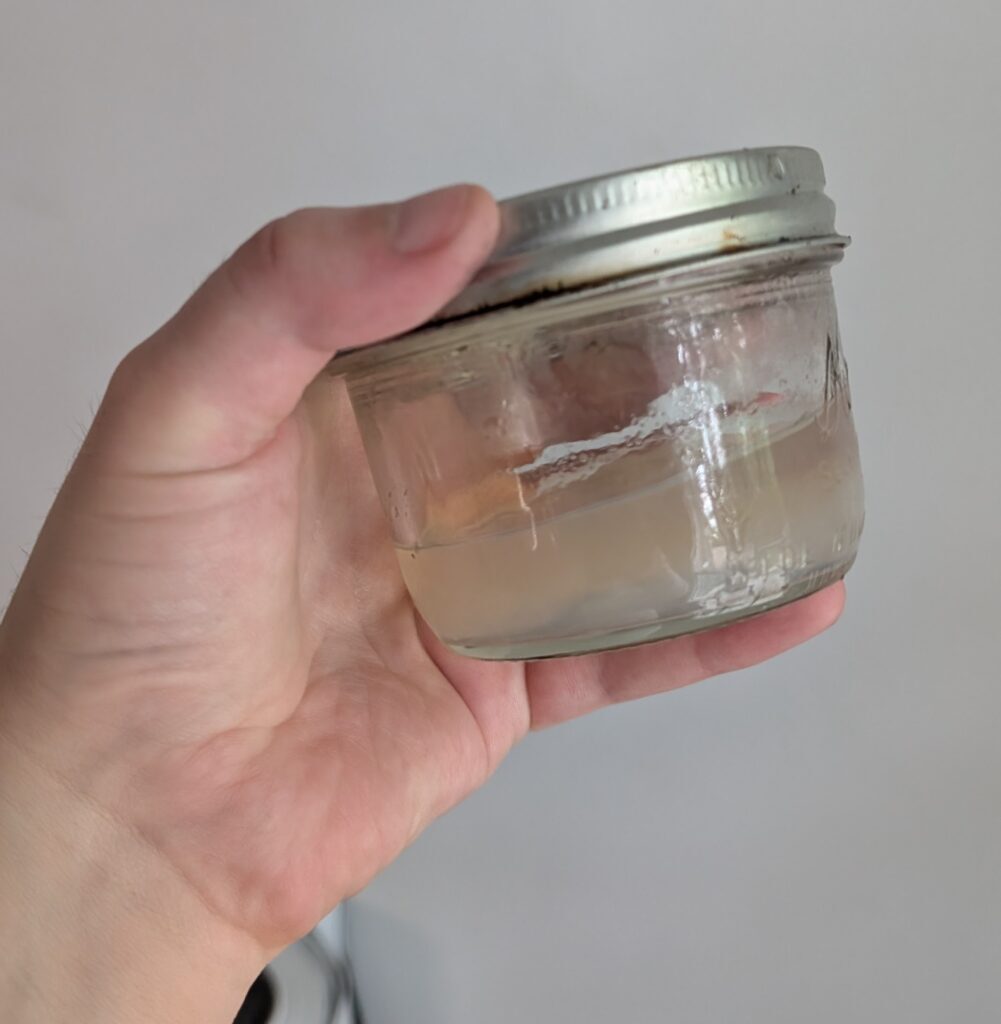
    Plant tissue culture agar jar for growing carnivorous plants

    Above: Tissue culture agar for plants in a normal 8oz wide mouth ball jar

    Anger Tissues (n): The rage of learning plant tissue culture

    Did you know that you can copy + paste a plant using seaweed jello? It’s called “plant tissue culture!” It’s awesome, but difficult.

    I found tissue culture instructions online, but none mention the tricky little details. Mexican Pinguicula, or “butterworts” are also picky plants that need their own procedures. The hardest parts were fighting my brain fog, and using the correct type of lid. It took me four tries to get usable agar in mason jars. I have some mycology agar experience, but I always used pre-made potato dextrose agar. The instructions for that said to sterilize and then pour. Store-bought is more expensive than making your own, and the recipe is not for plant tissue culture.

    I worried about the breathability of normal mason jar lids. I punched holes in some lids and covered with micropore tape, a form of breathable tape. Water always entered the jars. Tinfoil covers did nothing. I made the agar containers with a SOLID lid, prepared breathable lids, then switched from solid to breathable. I absolutely must use a timer during every step so I do not forget I have something cooking. Even then, most of my agar turned out slanted because of the jars cooling in the cooker while floating! One exploded for unknown reasons. Nonetheless, I am focusing on my relief and joy at having usable agar.

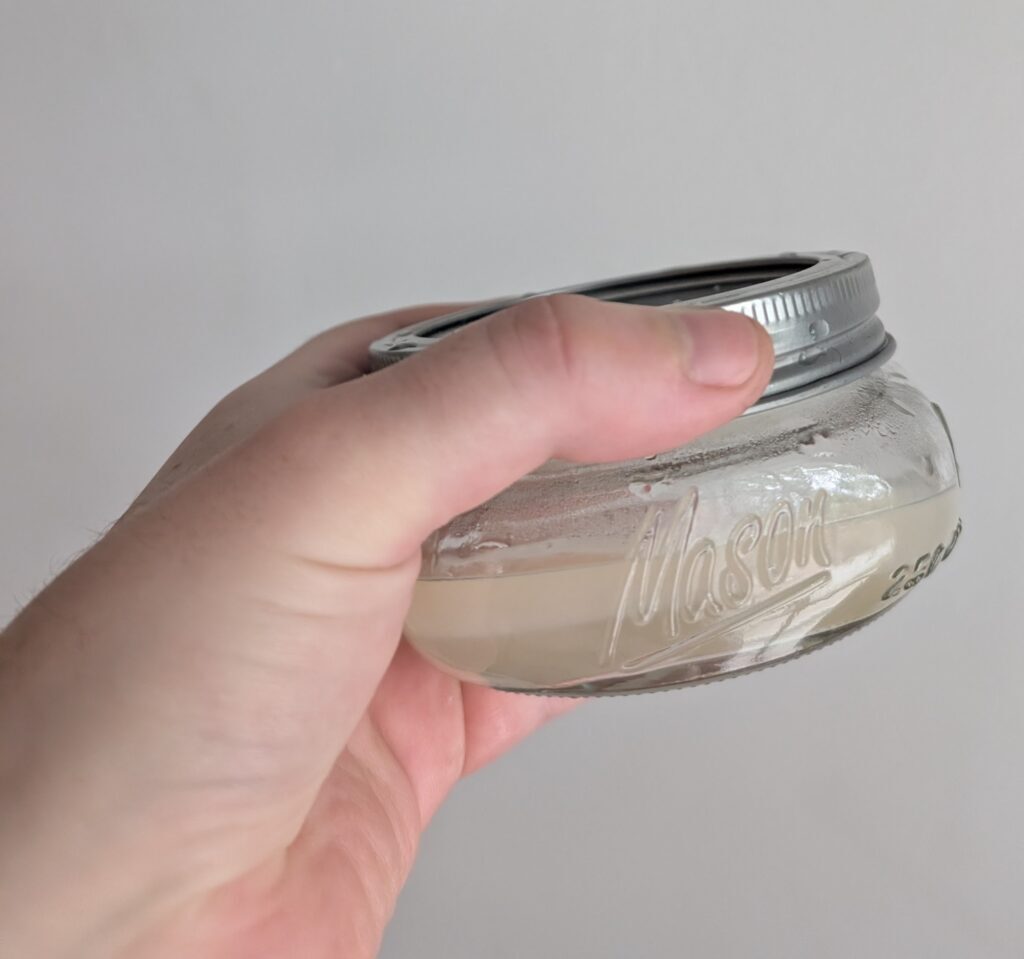
    Potato starch dextrose agar jar for growing mushrooms

    Above: Potato starch dextrose agar for mushrooms in a flat 8oz wide mouth ball jar