
Sacre Bleu kidney beans
I haven’t started, let alone finished, my final vegetable review (but you can read part 1 and part 2). Yet, I started planning for some regenerative gardening this spring months ago! The months this frigid winter passed slowly and quickly all at once. I have wonderful news, at the end of it all: I’ve got my first client! He has me planning a multi-year garden installation, complete with annuals, perennials, and trees. With his permission, I am writing about my garden plans for him, and I will try to write about my own later. We aim to construct and plant the bed this spring. However, it is possible we will miss the timeline for spring planting, and only be able to do fall crops this year. We are planning on two garden beds, one with corn, squash, melons, and beans, and the other with peppers, potatoes, tomato, German chamomile, and Mexican mint marigold.
The role of the “milpa,” or “three sisters,” in regenerative gardening
I am planning on building a milpa, also known as “three sisters agriculture,” in my friend’s garden. This is a highly intelligent agriculture strategy designed by Native American people, which optimizes the harvest of three mutually beneficial crops: corn, squash, and beans. The catch is that a milpa cannot be machine harvested. Thus, it is not suitable for mass-scale industrial agriculture. “It takes five people four days to pick the beans and harvest the maize” (Landzettel, 2026).
However, it is a sustainable and productive system that deserves a resurgence. The milpa has high value for food security gardening, because it increases the odds of survival of your crops under harsh conditions.
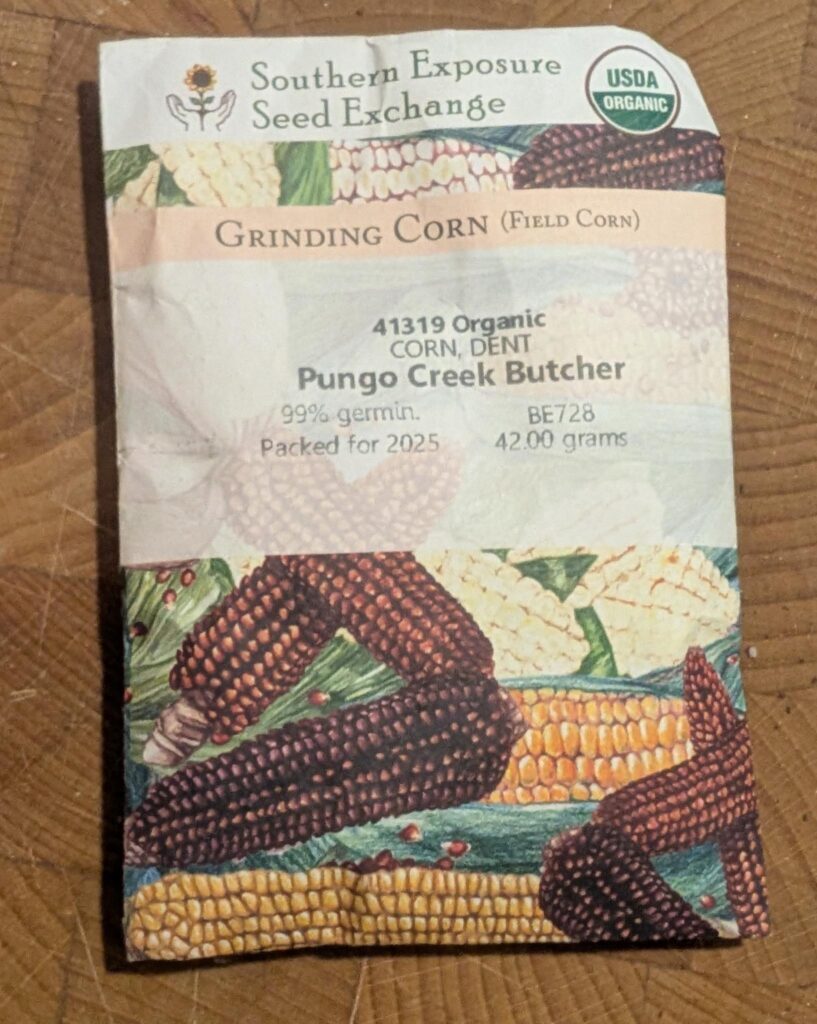
Pungo Creek Butcher Dent Corn seed packet from Southern Exposure Seed Exchange
In the milpa, each plant plays a role. The beans “fix” nitrogen from the air into the soil, where they and other plants use it as a macronutrient. The corn provides a pole for the beans to climb, and the squash shades the soil and reduces water evaporation with its large leaves (Landzettel, 2026;Kruse-Peeples & Marinaro 2016). These mutually beneficial interactions are what make the milpa so wildly resilient!
A milpa can be built in multiple styles, using mounds or rows. Kruse-Peeples & Marinaro (2016) report that the traditional Iroquoian way to build a milpa is by making mounds, which we will emulate.
There are also “other sisters” important to southwestern Native cultures, which can be grown in a milpa (Kruse-Peeples & Marinaro, 2016). For example, we will grow melons alongside our squash.
Using lasagna mulching to build soil
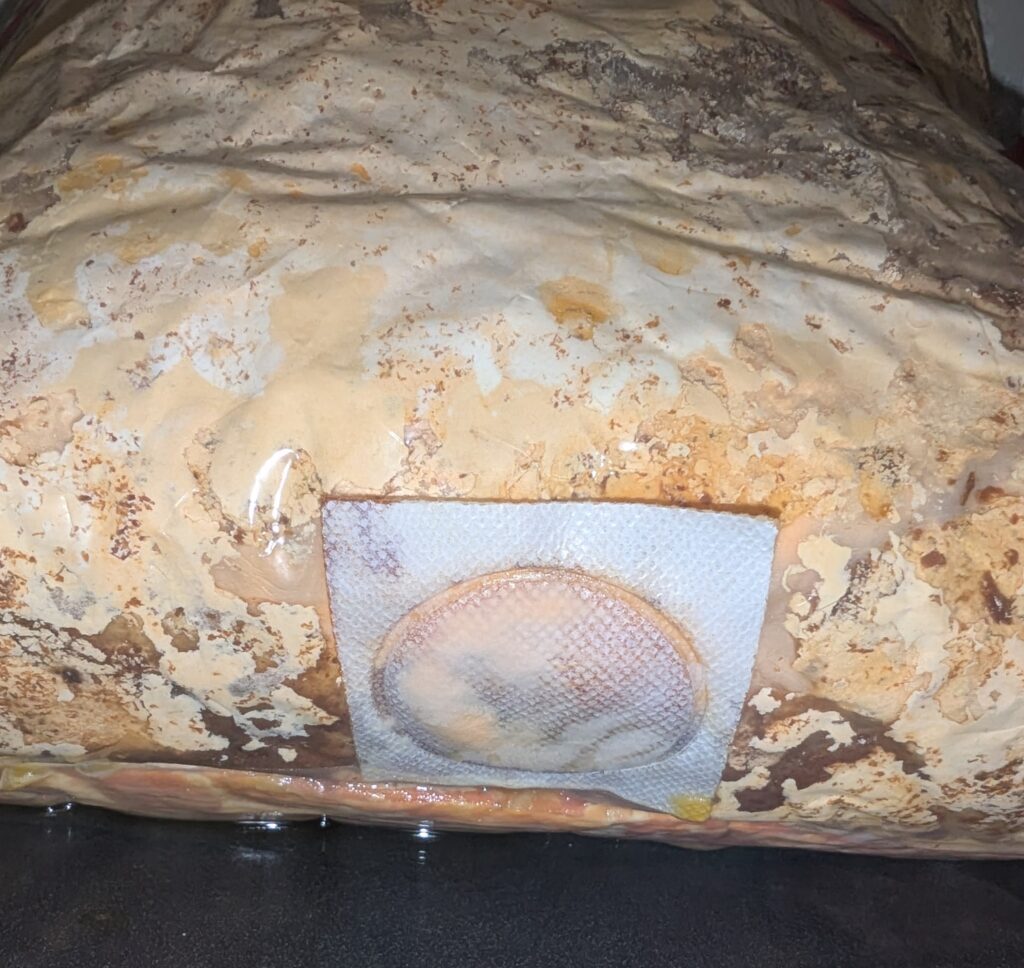
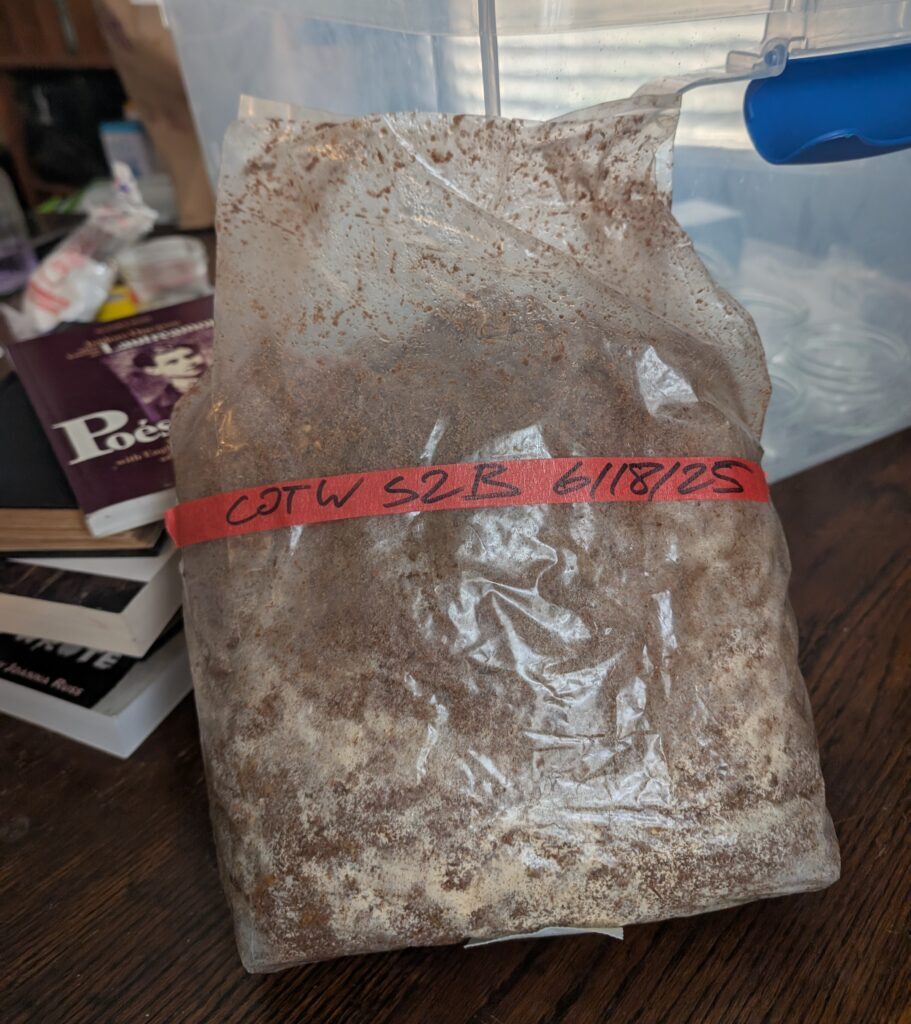
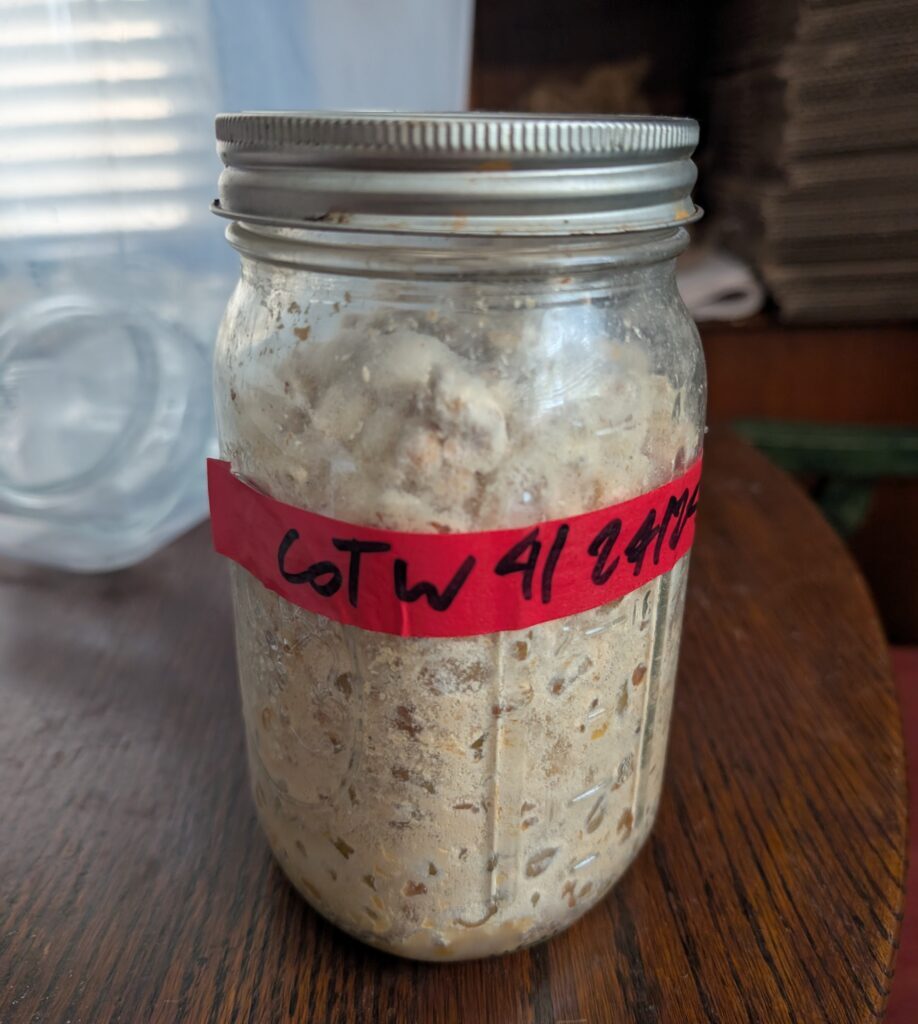
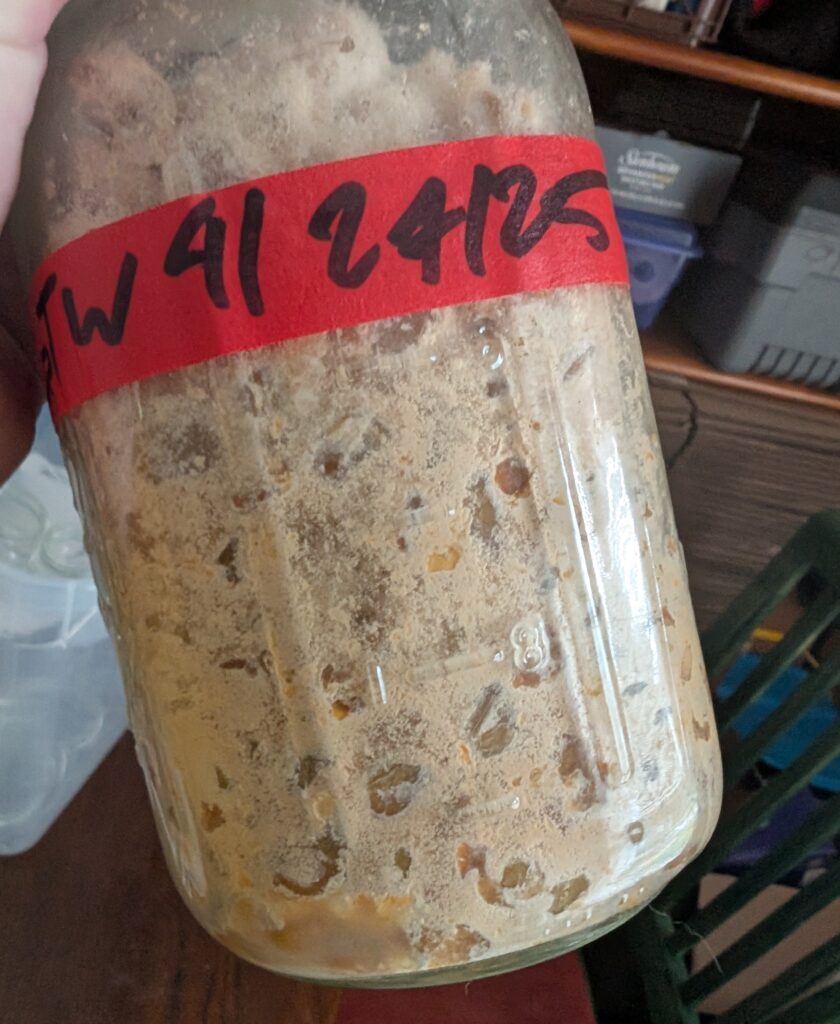
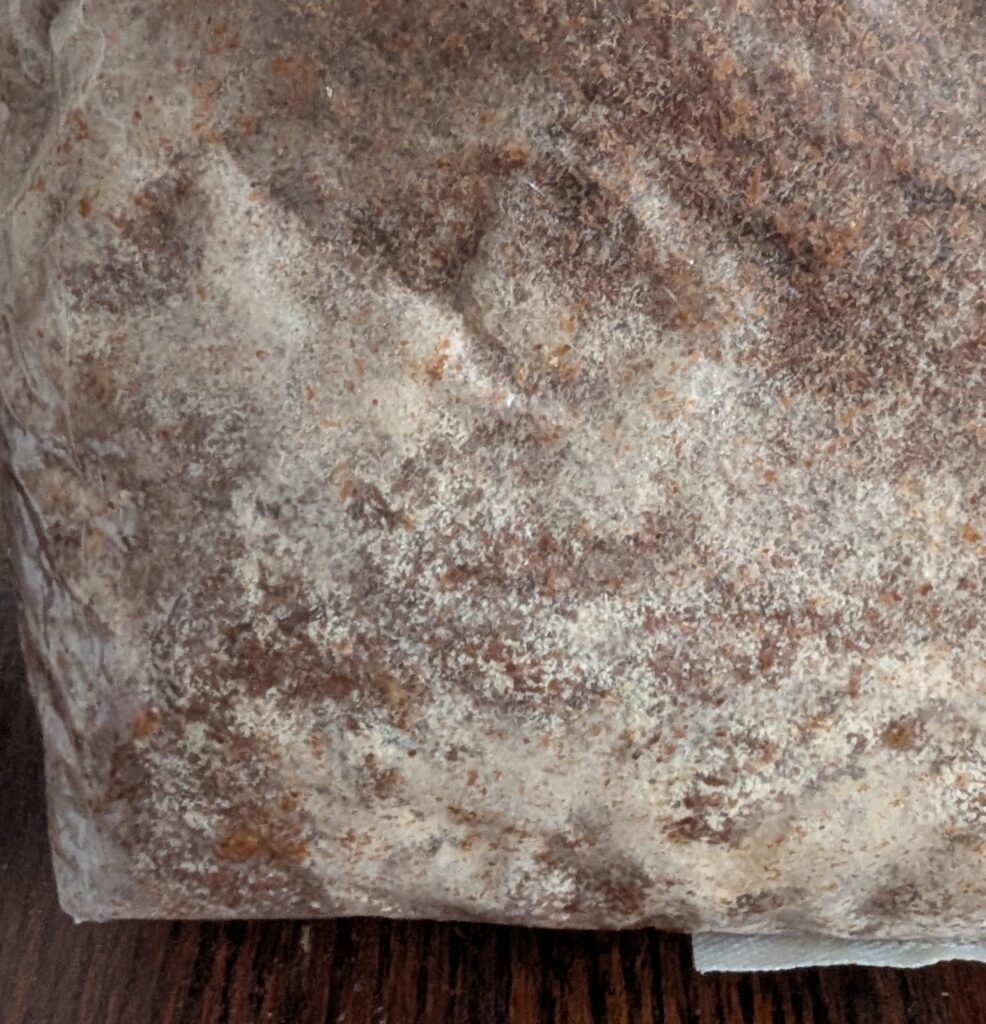
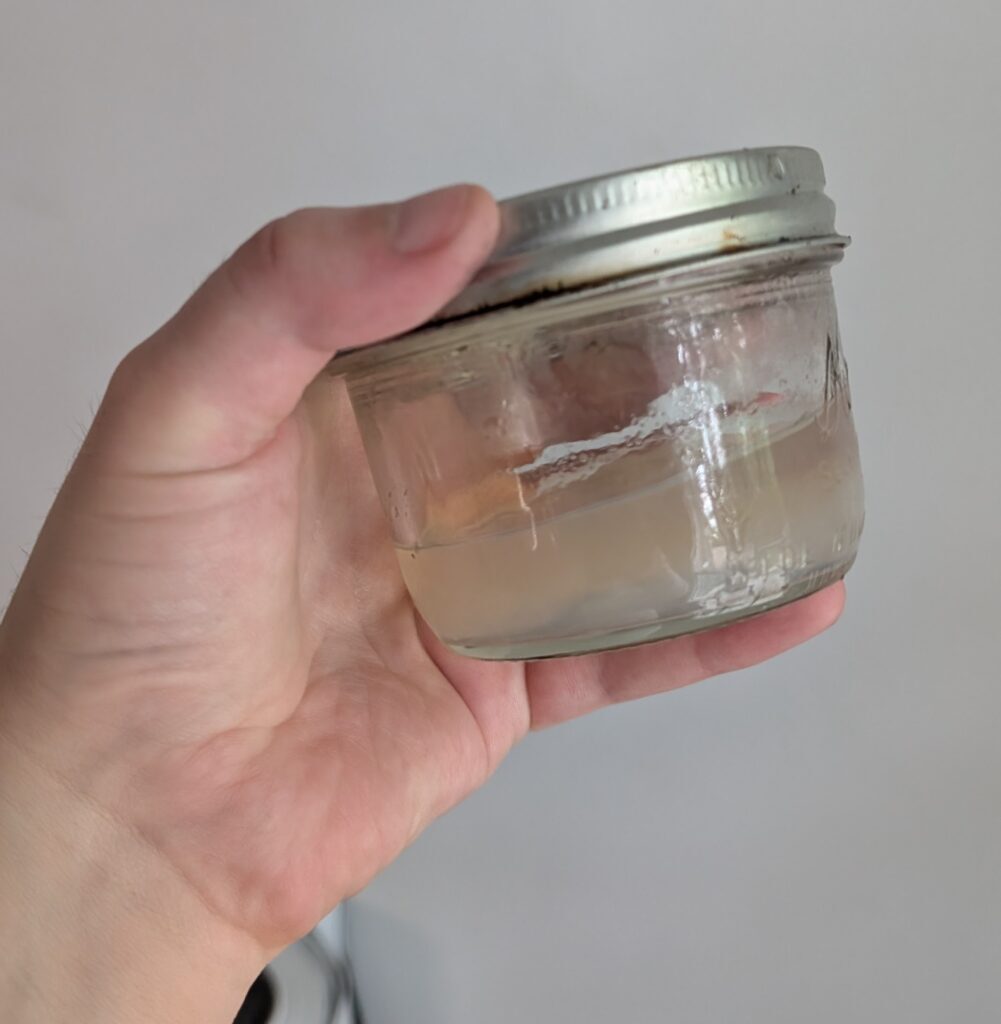
No-till and low-till techniques are important in regenerative gardening. We will use modified lasagna mulching to create two beds with 9 mounds each, in a square array. Lasagna mulching is layering carbon-rich and nitrogen-rich composting materials on top of existing soil (Rauter & Sherp, 2025). For our purposes, we will use finished compost between cardboard layers to create a mound scaffold. On top of this we will add a layer of coir-compost mixture so we can (hopefully) plant this year. We will also be inoculating the cardboard with oyster mushroom grain spawn to break down the cardboard more efficiently, and we will get a crop of lovely gourmet mushrooms out of it as well!
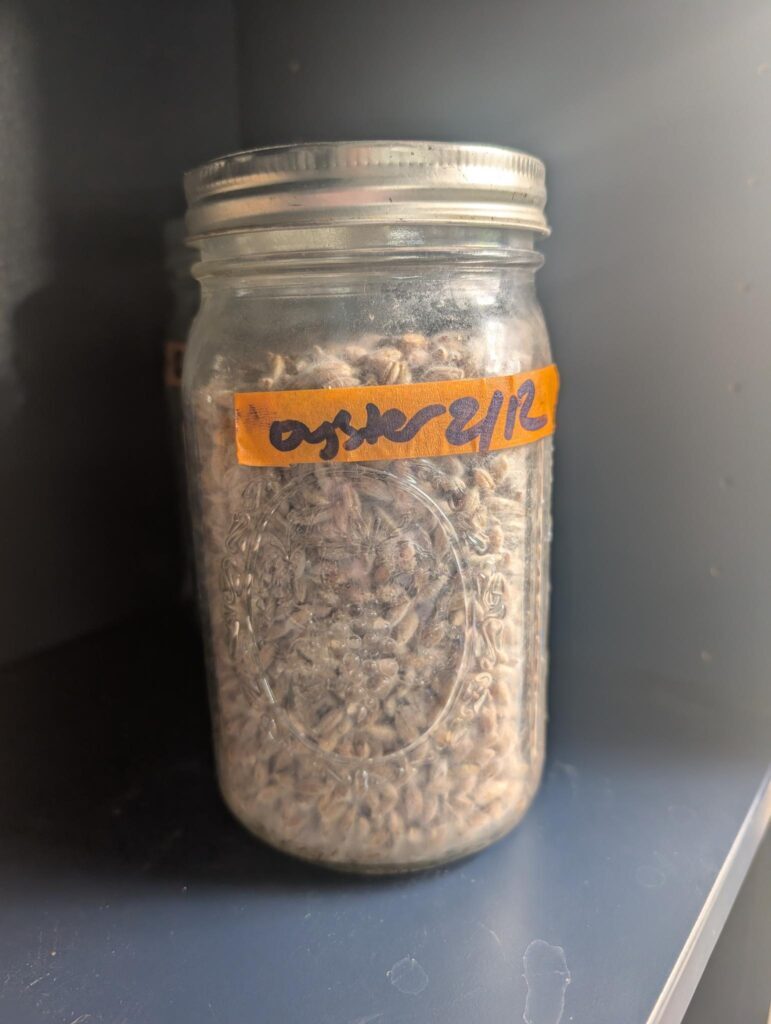
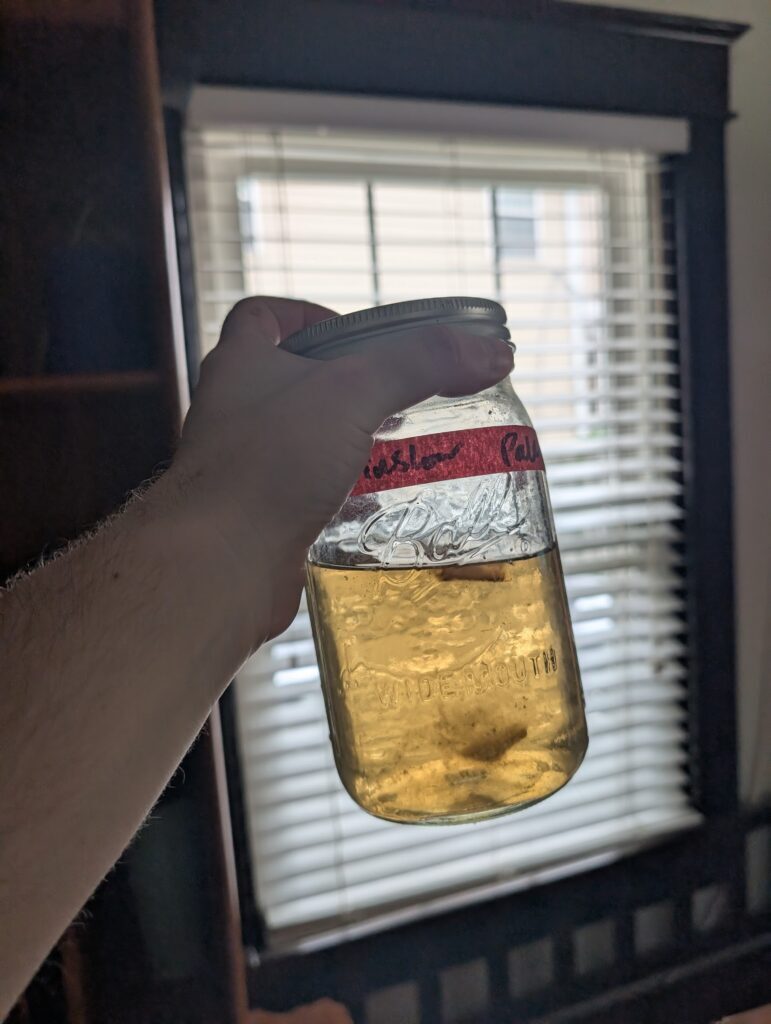
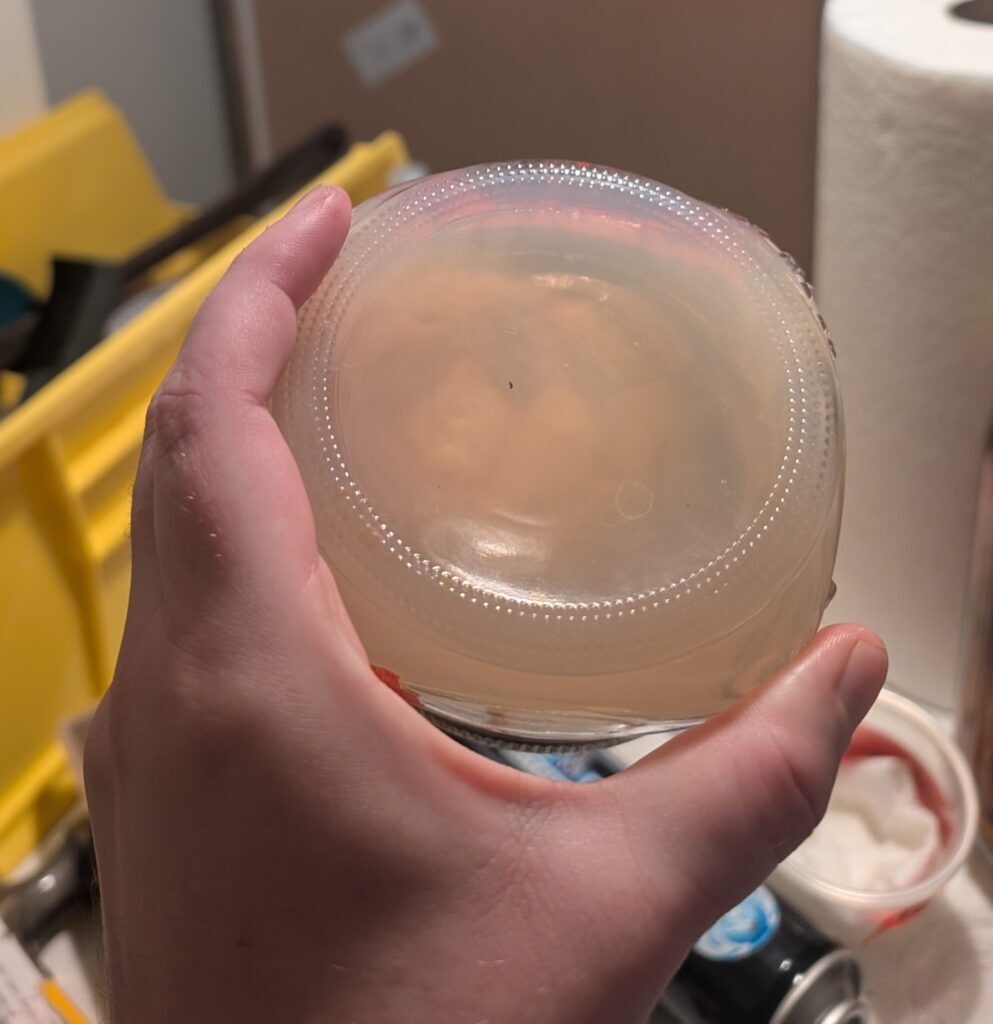
Oyster mushroom grain spawn
Bibliography
Landzettel, M. (2026, February 13). Milpa. How an Ancient Farming System Helps Small Farmers in Today’s Mexico. Slow Food. https://www.slowfood.com/blog-and-news/milpa-ancient-farming-system-mexico/
Kruse-Peeples, M. & Marinaro, L. (2016, May 27). How to Grow a Three Sisters Garden. Native Seeds/SEARCH. Native Seeds/SEARCH. https://www.nativeseeds.org/blogs/blog-news/how-to-grow-a-three-sisters-garden
Rauter, S. & Sherp, L. (2025). Sheet mulching and lasagna composting with cardboard. Oregon State University Extension Service. https://extension.oregonstate.edu/catalog/em-9559-sheet-mulching-lasagna-composting-cardboard