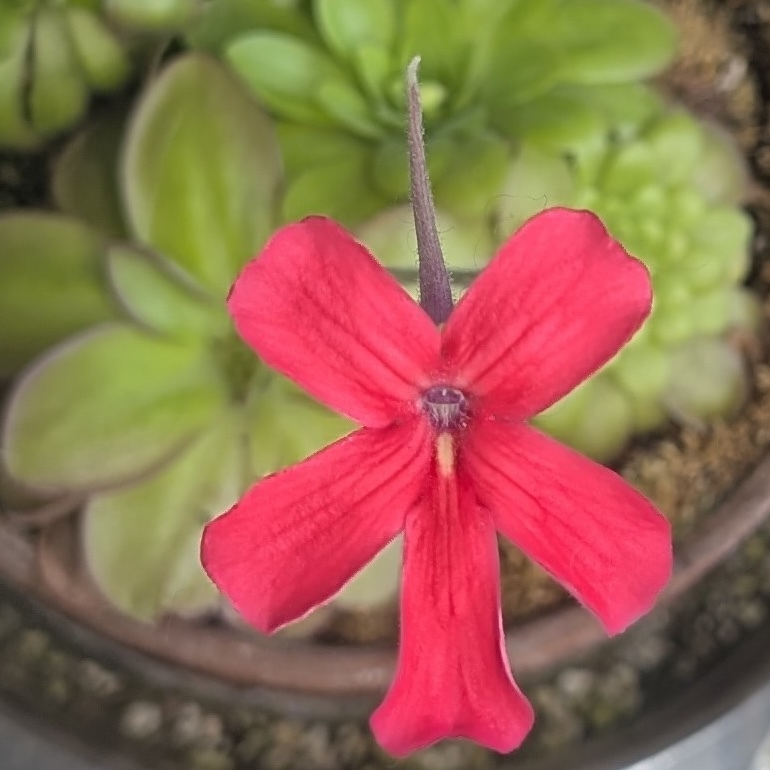
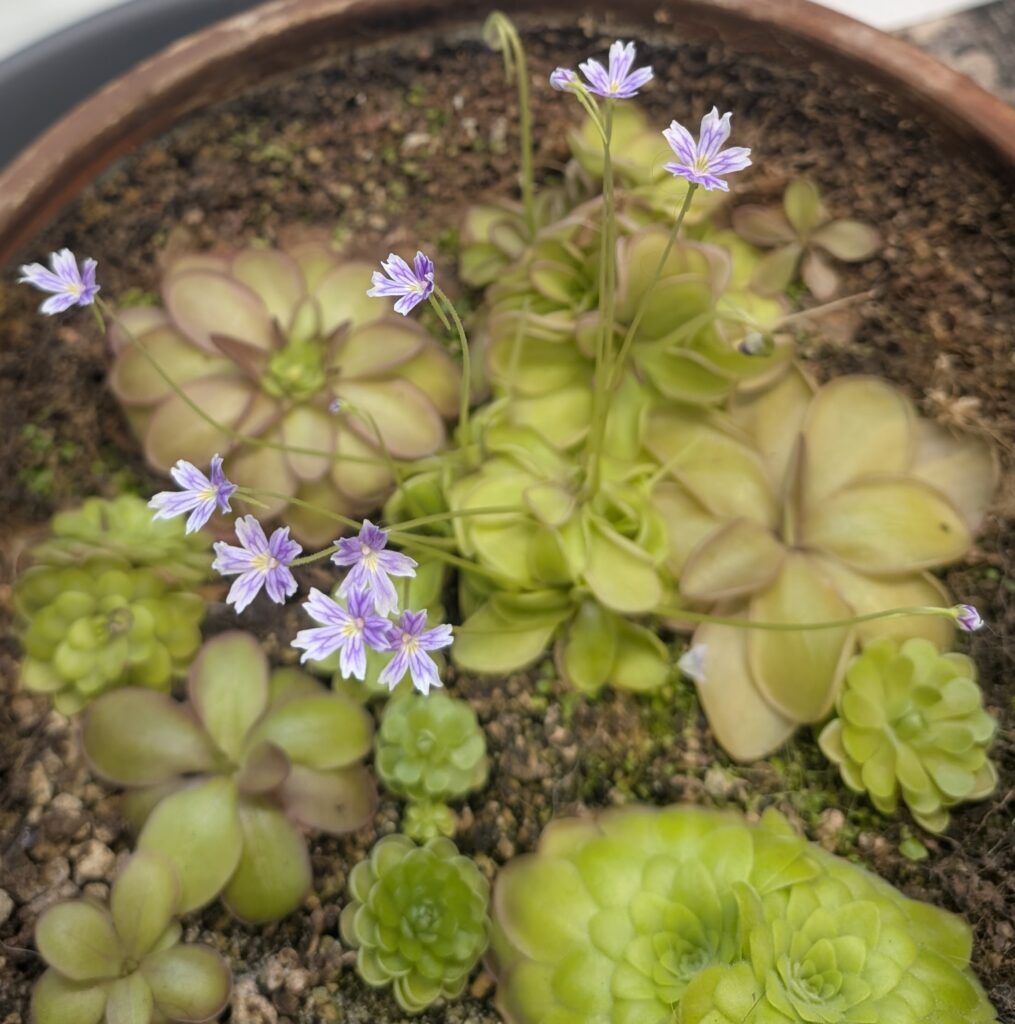
Pinguicula emarginata “purple” in bloom during its prime
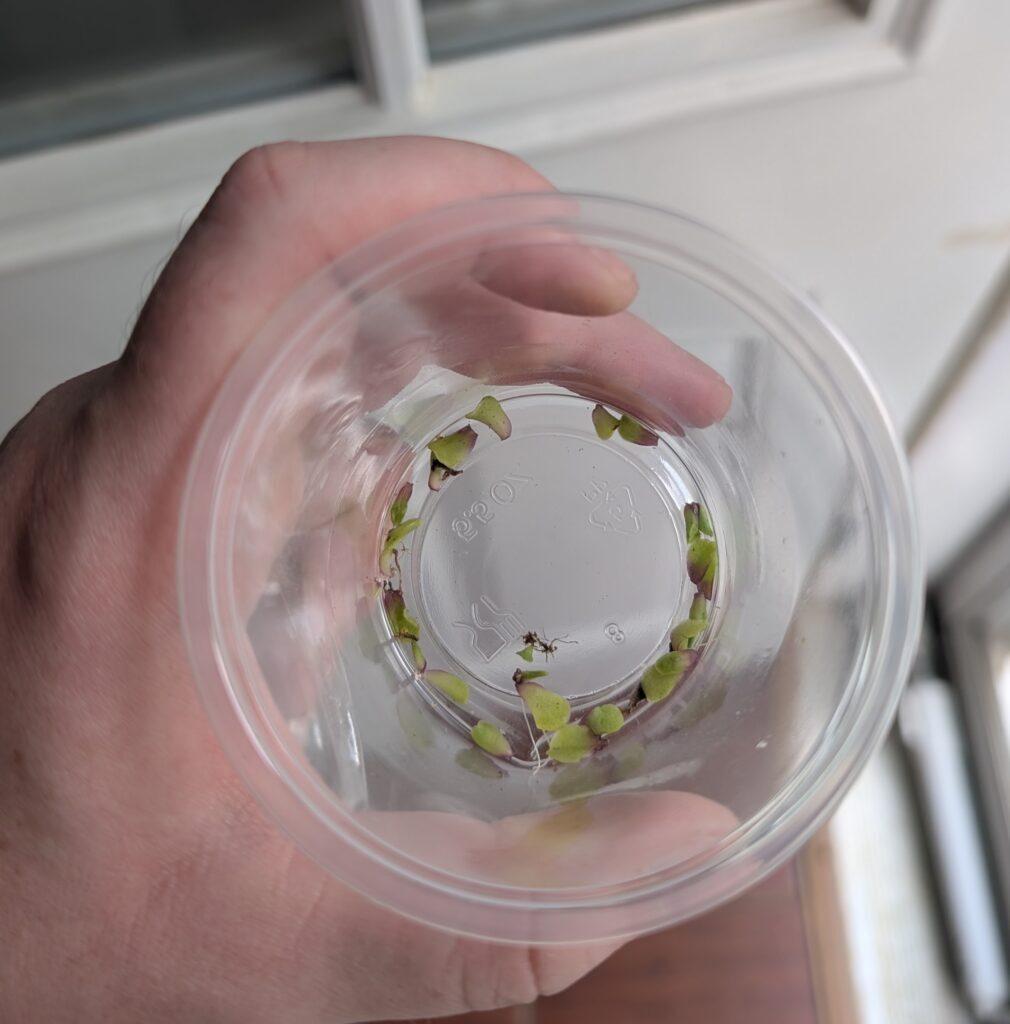
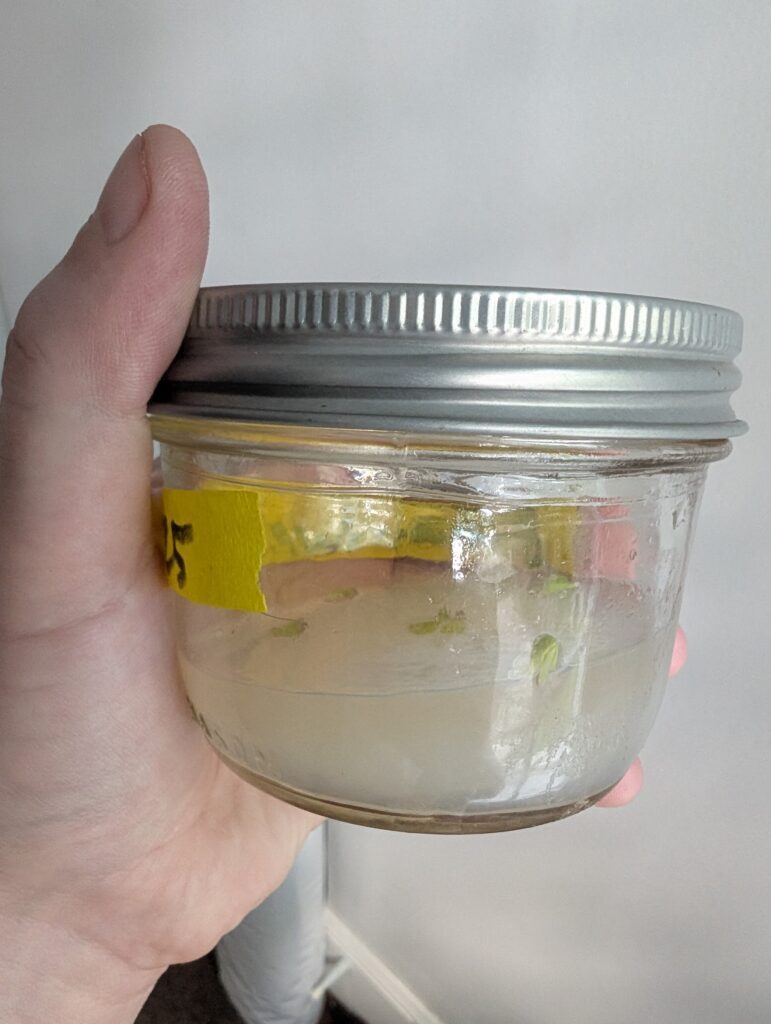
I tried tissue culture for the first time with explants (pieces of plant) from P. emarginata “purple.” It had been a vigorous plant for me for years, but then suddenly started slowing down. I didn’t want to lose the genetics, because you don’t see this plant for sale often. I had a learning curve with making the media, and I can only hope that the one for actually inoculating it and using it isn’t steep. I made 4 TC containers with 3-4 emarginata explants each, and I can only hope that the explants will soon grow to a size where I can continue to divide them. As always, I worry over the possibility of contamination. Ah, contamination: the bane of every horticulturalist and mycologist’s existence. What if one little spore got in somehow? It’s always possible. But, time will tell.
Pinguicula emarginata “purple” explants in a plastic cup
Pinguicula emarginata “purple” explants in a TC container on agar
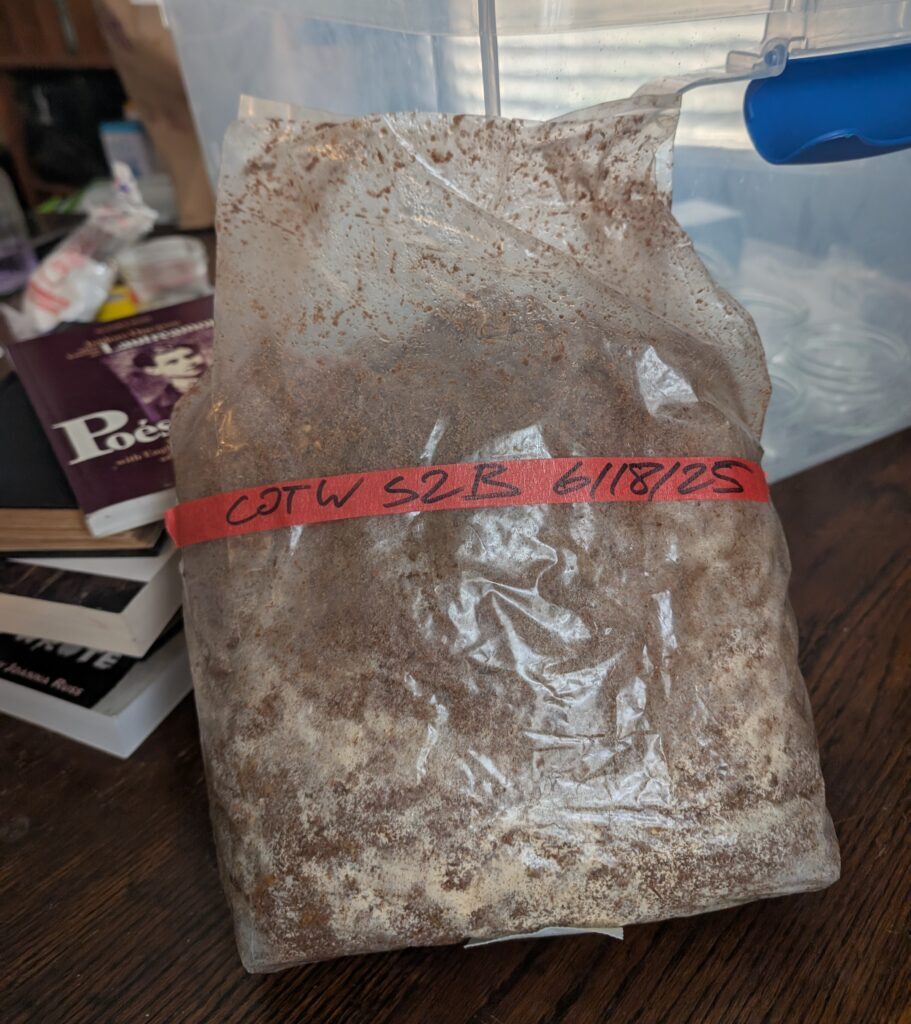
Chicken of the woods mycelium growing in a bag of sawdust spawn
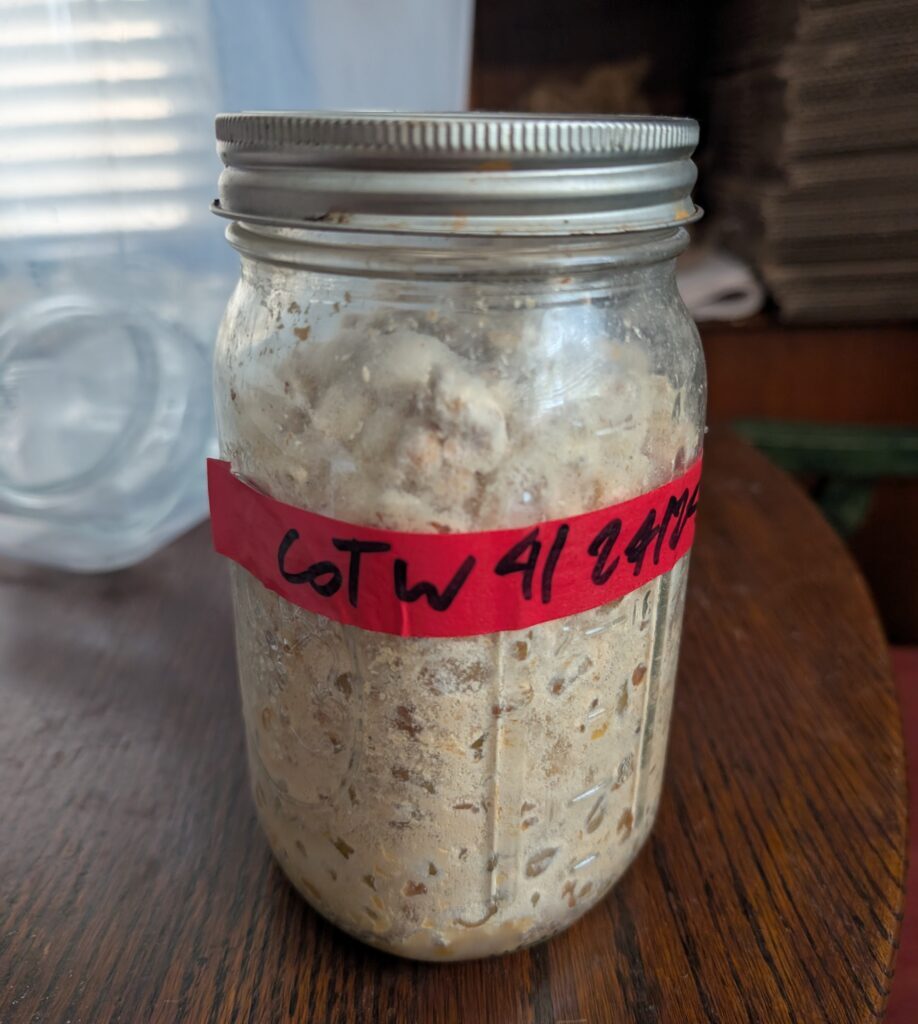
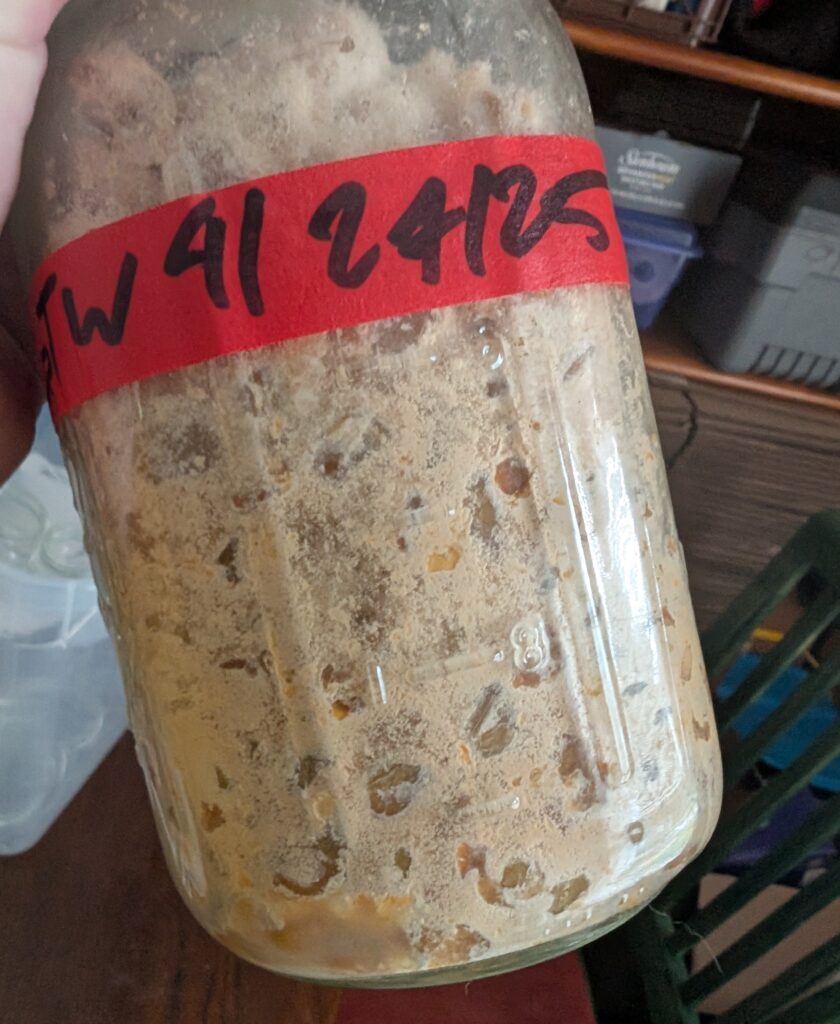
In typical fashion, I selected a difficult goal simply because it is interesting and rare. I decided to make chicken of the woods (Laetiporus spp.) my target indoor cultivation species. Chicken of the woods is notoriously difficult to grow, for a few reasons. First of all, it’s a weak competitor. Other species of fungi and microbe easily overtake its growth, so contamination is a major concern. The environment must be perfectly sterile. It is more finnicky about this than many species. Second of all, growers must induce fruiting in order to grow it indoors. This species is most commonly cultivated on outdoor logs with sawdust plug spawn. Growing it indoors poses a real challenge, but growing it outdoors doesn’t generally produce consistent, commercially viable yields throughout the year. Finally, the mycelium is incredibly powdery and has a weak structure. This can often cause the fruiting body to snap off from the bag before it reaches maturity. So far, I have successfully used liquid culture to inoculate corn grain spawn with Laetiporus mycelium and spawned to bulk sawdust substrate in a grow bag. The mycelium is very powdery, and looks like pale orange sugar. I have a couple different genotypes in my library.
Chicken of the woods mycelium growing on corn grain spawn
Closeup of the mycelial growth in the sawdust substrate grow bag. Notice how powdery it is.
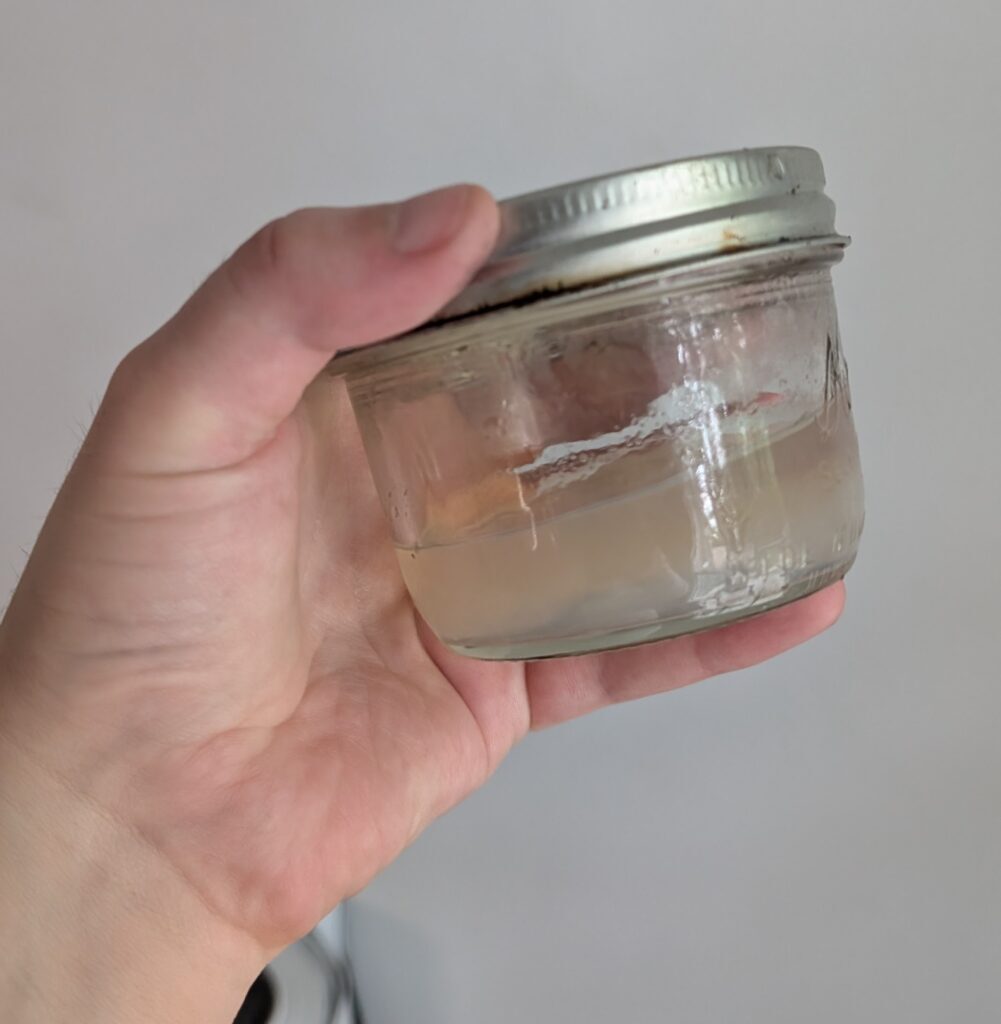
Above: Tissue culture agar for plants in a normal 8oz wide mouth ball jar
Anger Tissues (n): The rage of learning plant tissue culture
Did you know that you can copy + paste a plant using seaweed jello? It’s called “plant tissue culture!” It’s awesome, but difficult.
I found tissue culture instructions online, but none mention the tricky little details. Mexican Pinguicula, or “butterworts” are also picky plants that need their own procedures. The hardest parts were fighting my brain fog, and using the correct type of lid. It took me four tries to get usable agar in mason jars. I have some mycology agar experience, but I always used pre-made potato dextrose agar. The instructions for that said to sterilize and then pour. Store-bought is more expensive than making your own, and the recipe is not for plant tissue culture.
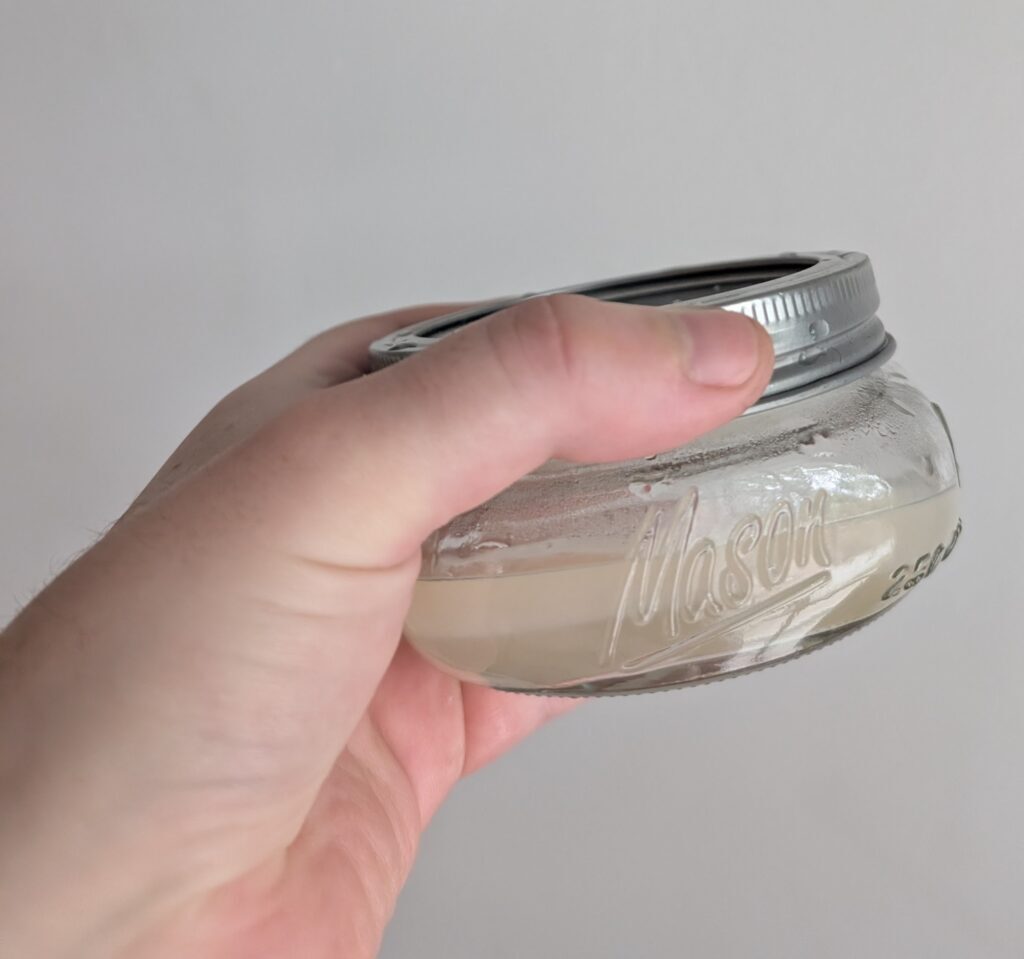
I worried about the breathability of normal mason jar lids. I punched holes in some lids and covered with micropore tape, a form of breathable tape. Water always entered the jars. Tinfoil covers did nothing. I made the agar containers with a SOLID lid, prepared breathable lids, then switched from solid to breathable. I absolutely must use a timer during every step so I do not forget I have something cooking. Even then, most of my agar turned out slanted because of the jars cooling in the cooker while floating! One exploded for unknown reasons. Nonetheless, I am focusing on my relief and joy at having usable agar.
Above: Potato starch dextrose agar for mushrooms in a flat 8oz wide mouth ball jar
My family and I rent. Recently, though, I have been getting interested in vegetable gardening due to my drive for personal and community food sovereignty and security. I started organizing with a Maryland statewide food security network and collecting heirloom vegetables. Because of my renter status, I can’t just go tearing up the lawn to replace it with gorgeous, rare heirloom vegetable treasures. Thus, I have become an avid container gardener. Check it out!
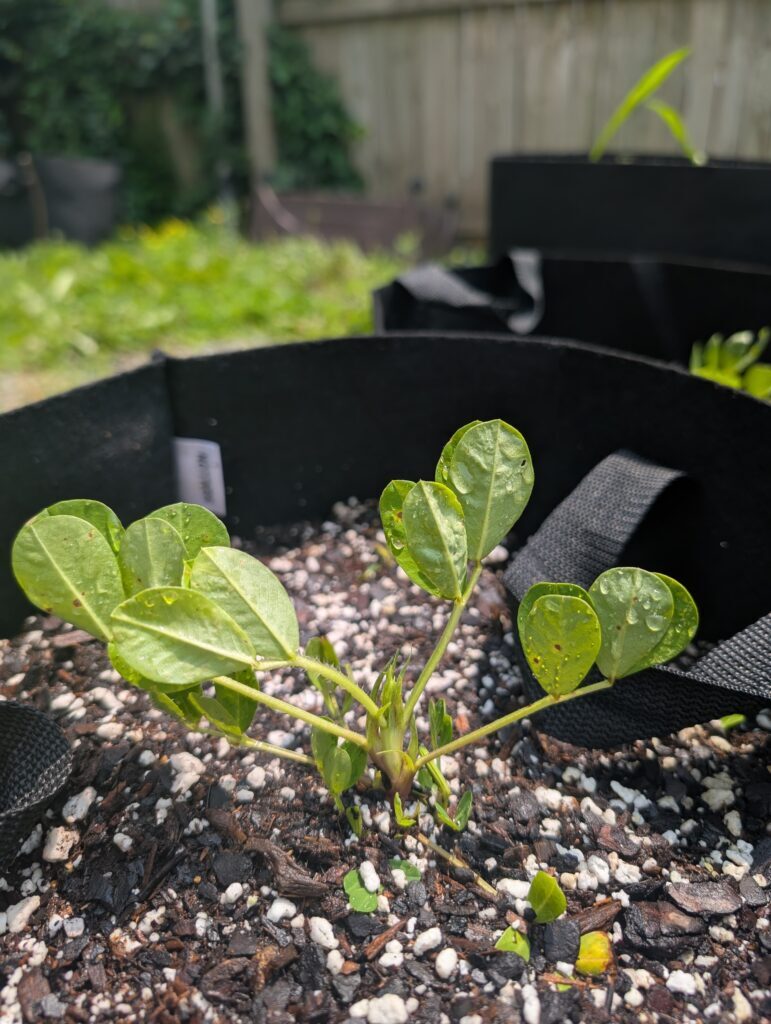
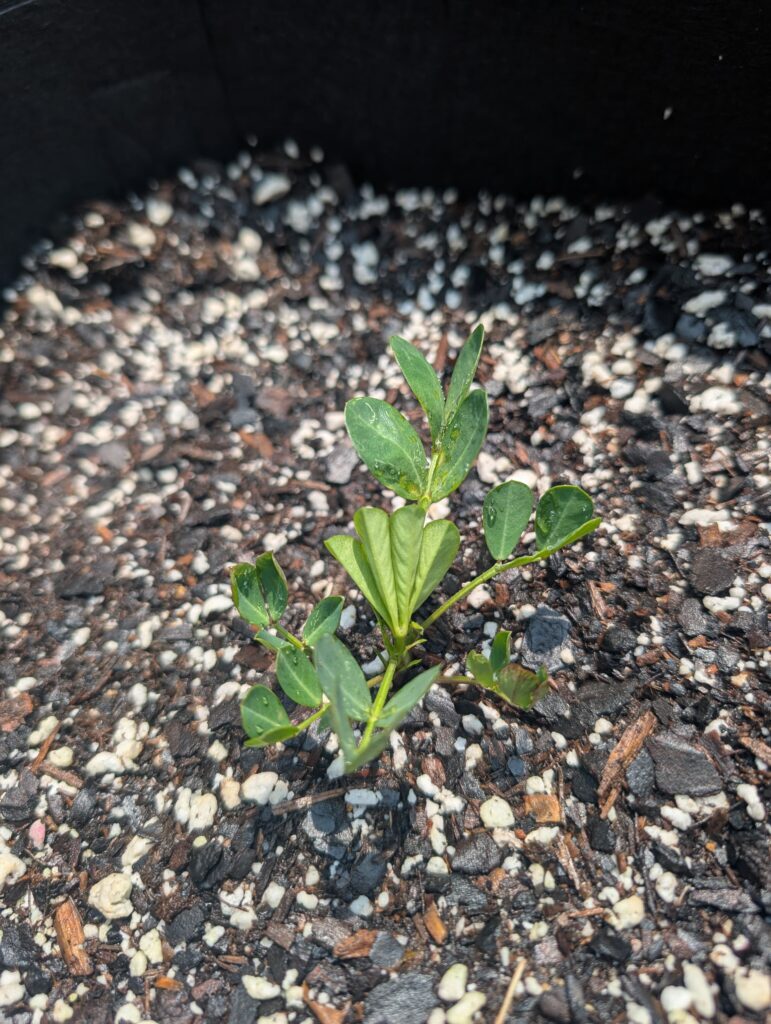
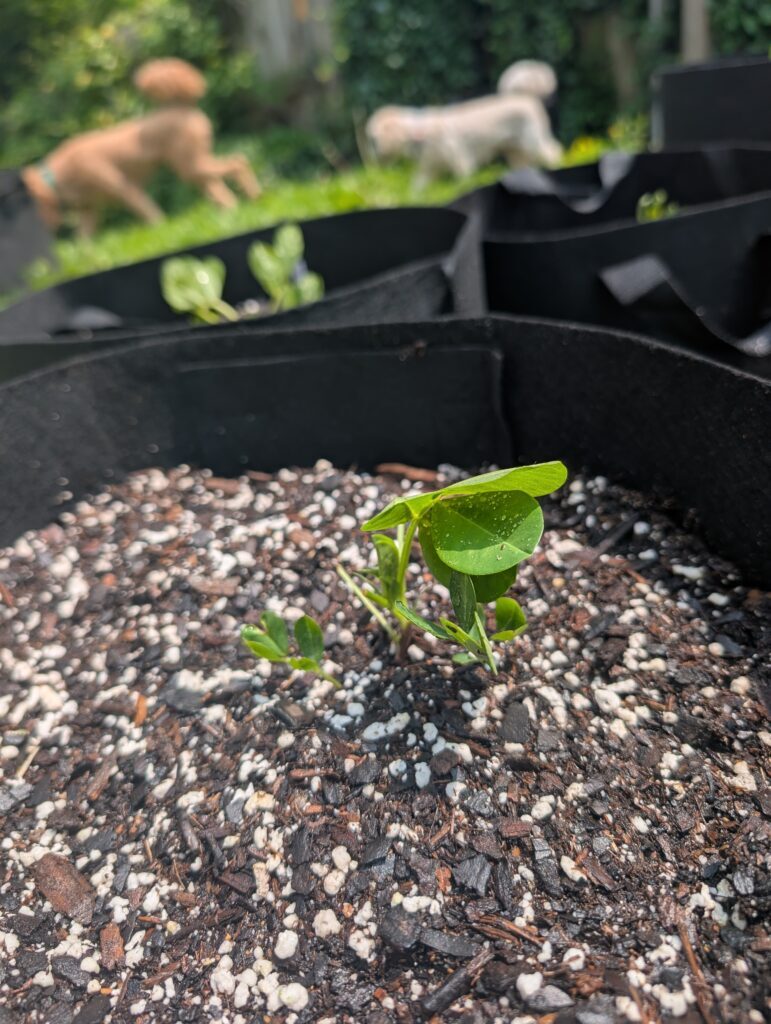
Carwile’s Virginia Peanut: I got these from a food security network friend at a Southern Maryland seed swap event, but I believe she got them from Southern Exposure and then gave me some of the crop she grew from those seeds.
According to Southern Exposure Seed Exchange, this peanut is a “[f]amily heirloom from SW Virginia since 1910. Grown by Frank Carwile for over 75 years since he was given this peanut by a traveler when he was 8 years old. He later tried other varieties but found none with a better flavor. 2-4 seeds per pod. Plants have average disease resistance but excellent production and drought resistance.”
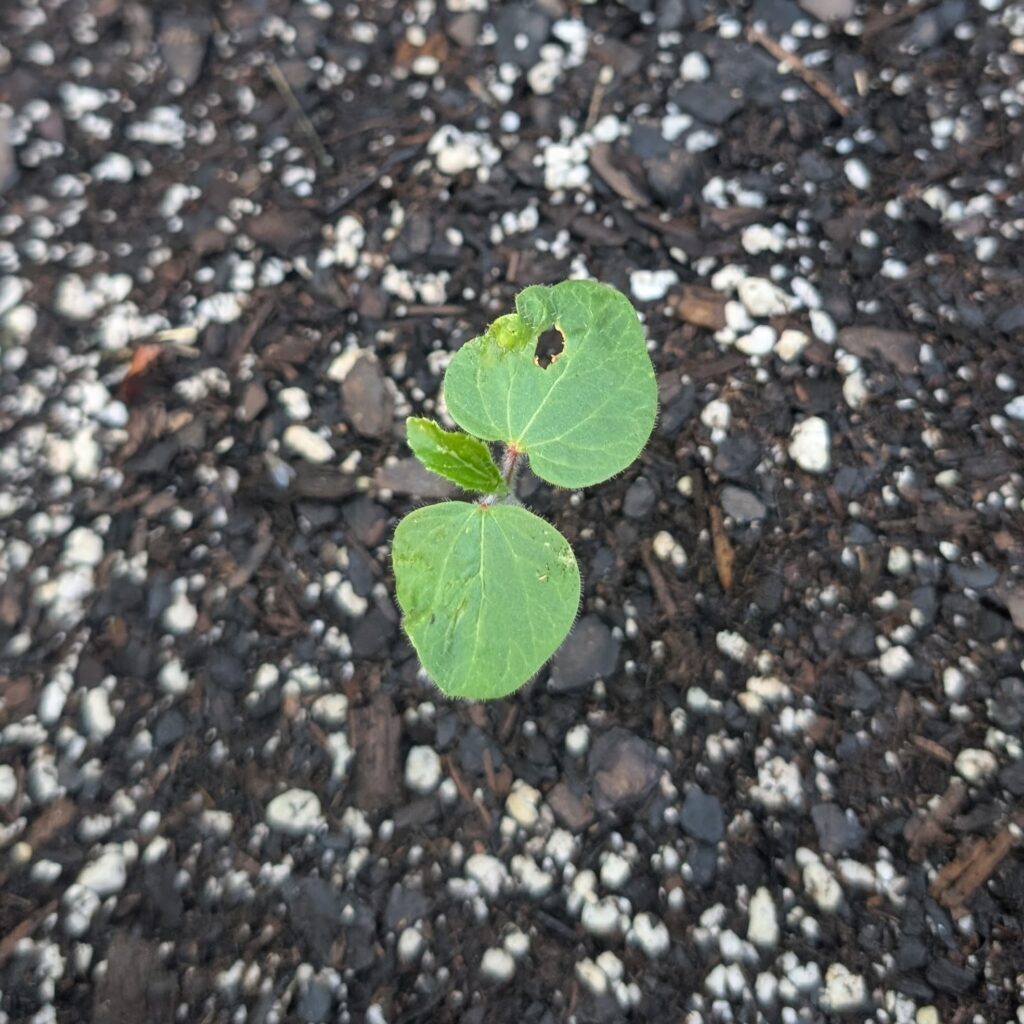
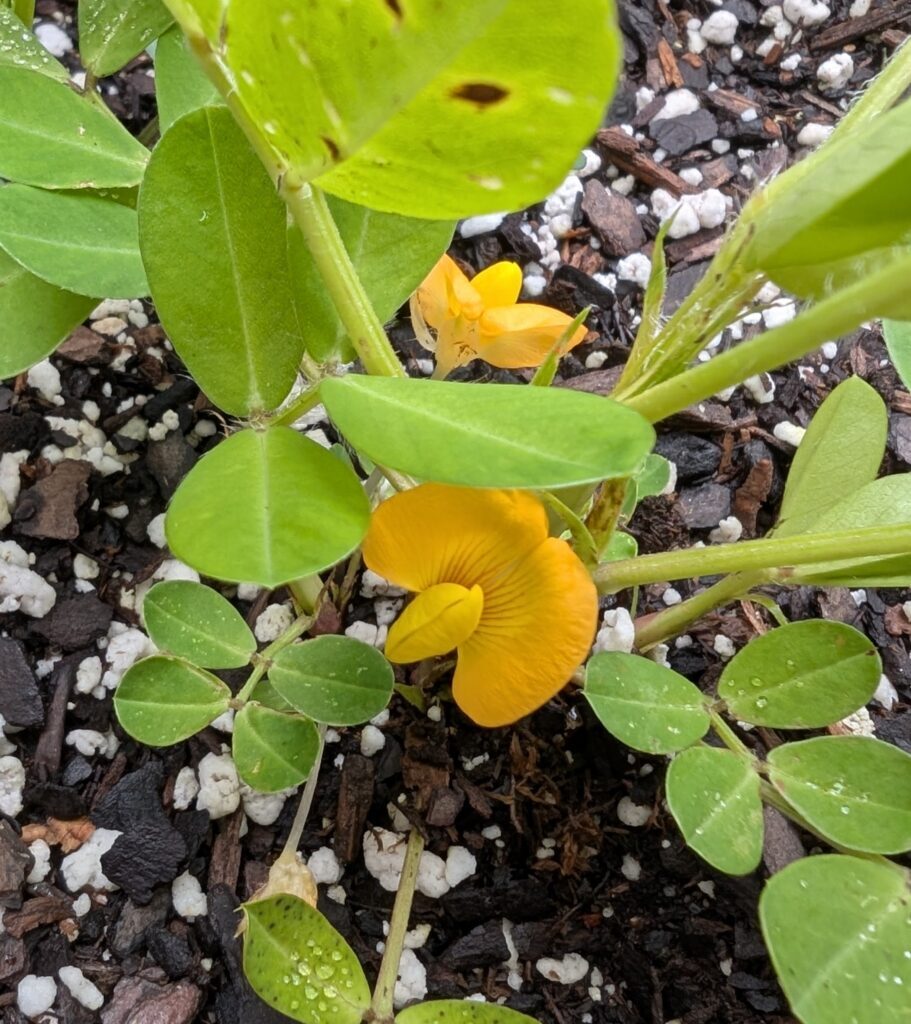
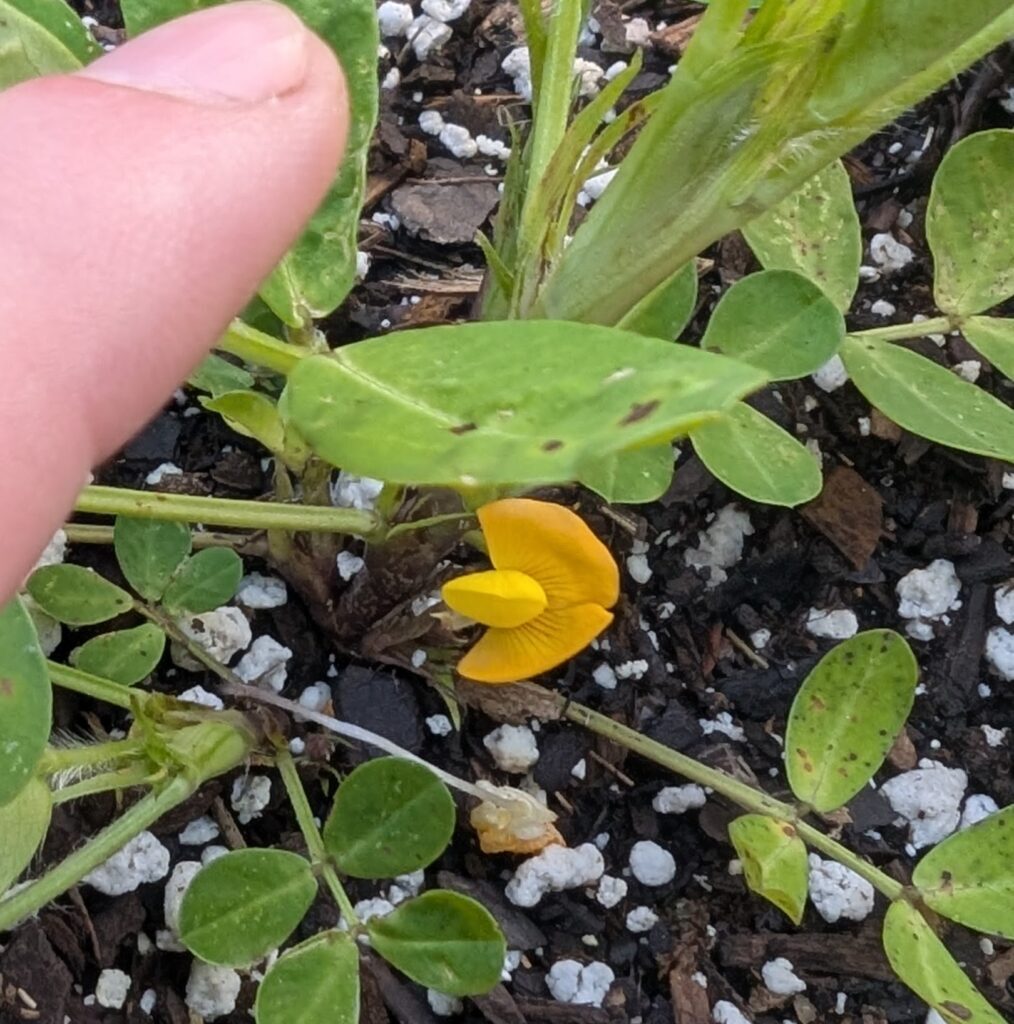
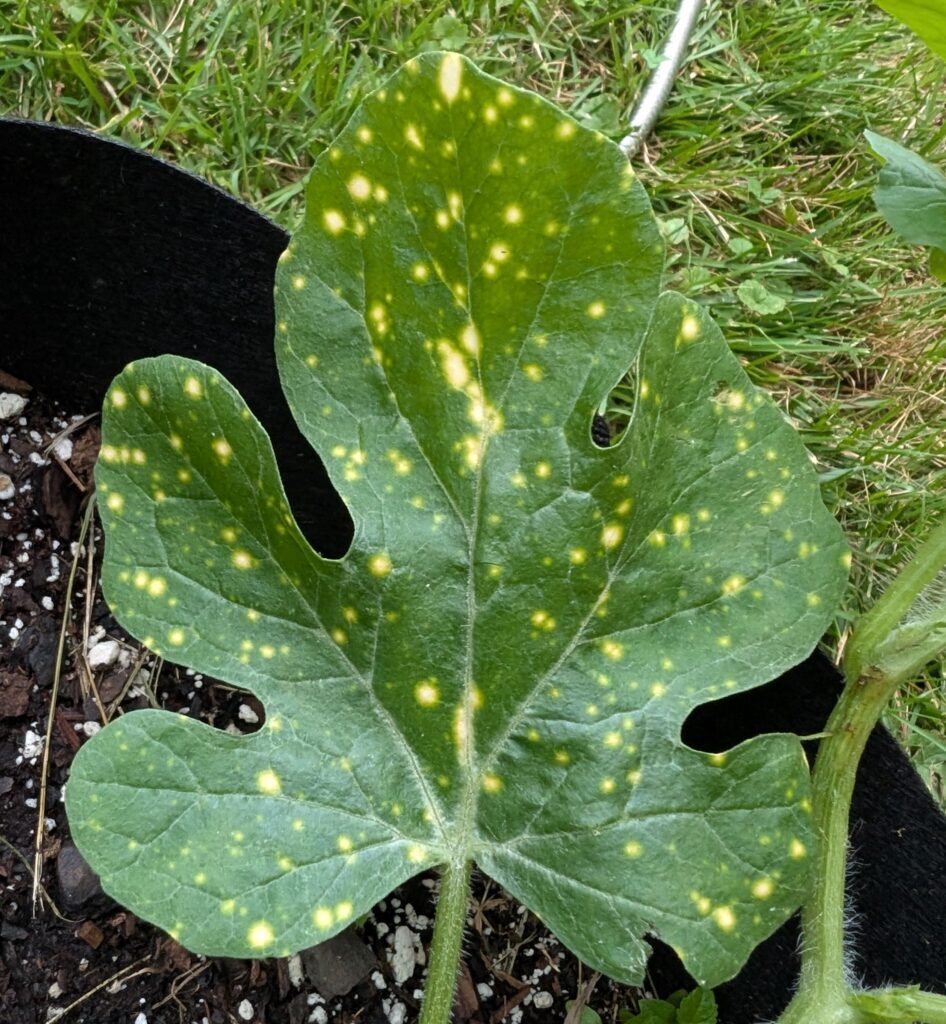
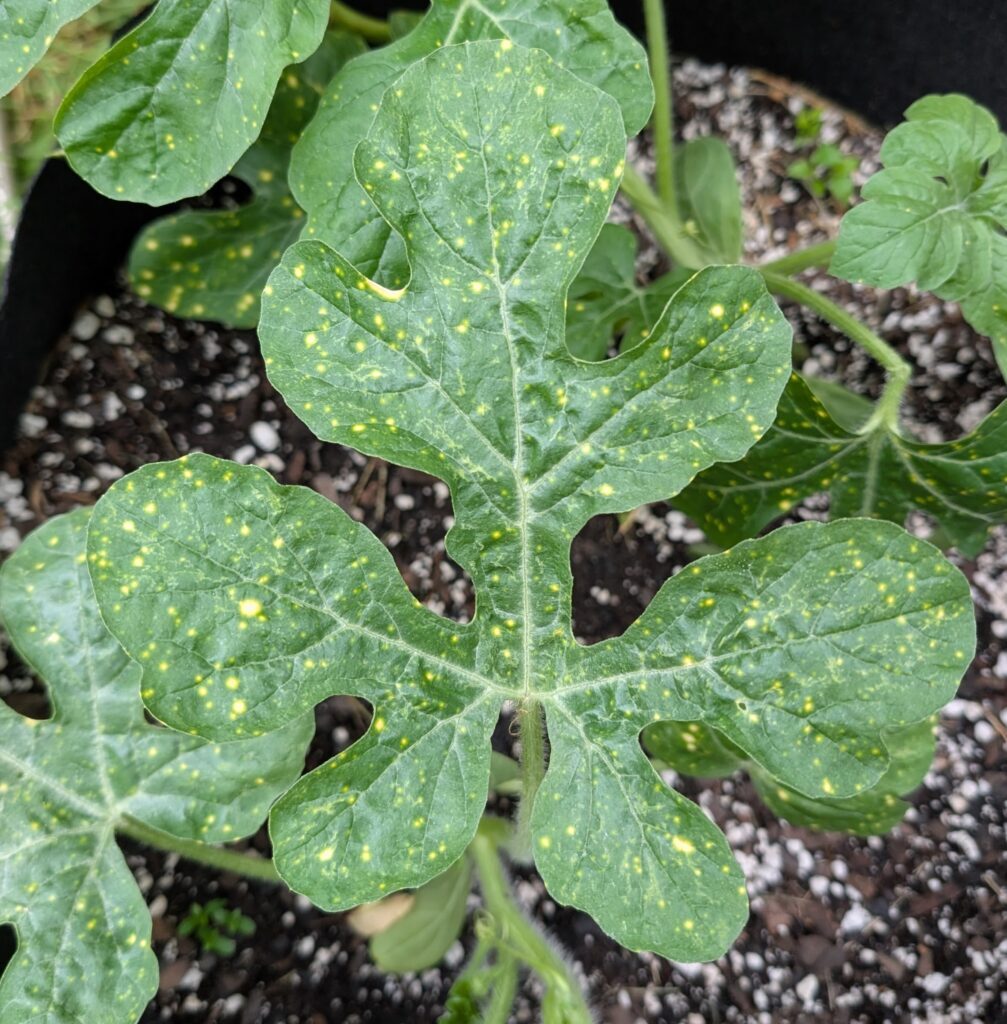
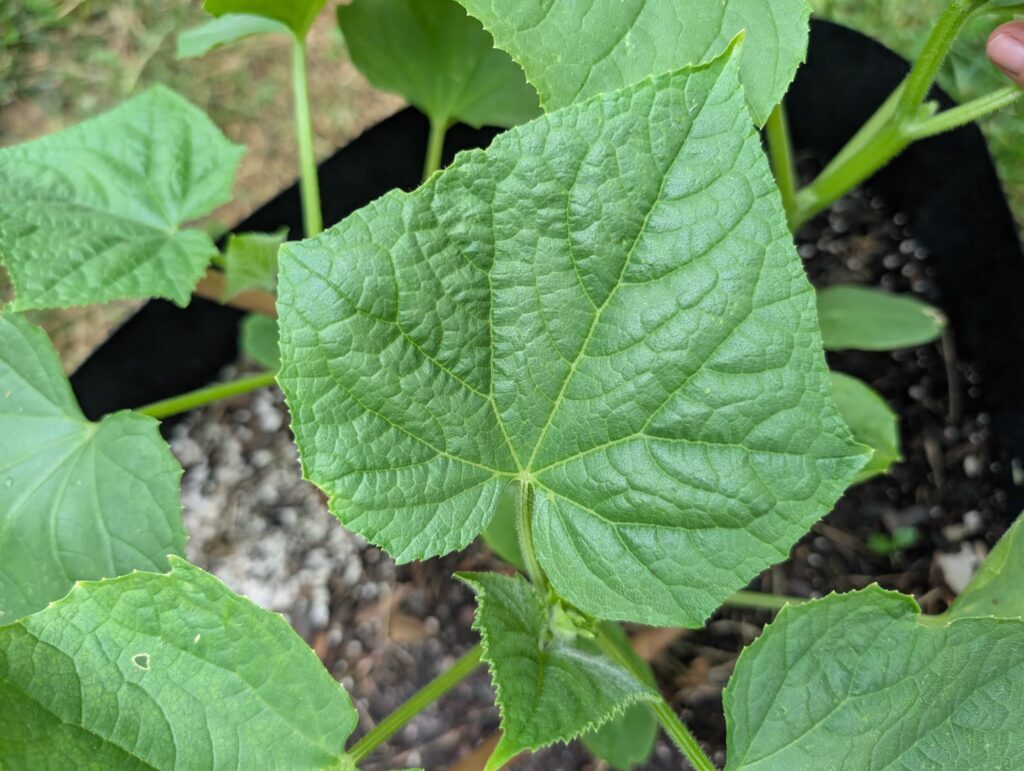
This is my first time growing peanuts, but so far they are doing well. Some plants have some leaf spots, but none of them are really suffering. I got an 83% germ rate (n=6) on my seeds, and one plant was lost due to clumsiness during transplanting, leaving 4 plants. They seem happy and vigorous and I am SO excited to watch the blooming and seed setting process because it is FASCINATING! Also, it brings me joy that the written story of these peanuts begins with a gift from a traveler to a young boy, and that I obtained some myself at a seed swap as a gift from a friend. Food sovereignty is essential to the history of this Southwest Virginia heirloom peanut.
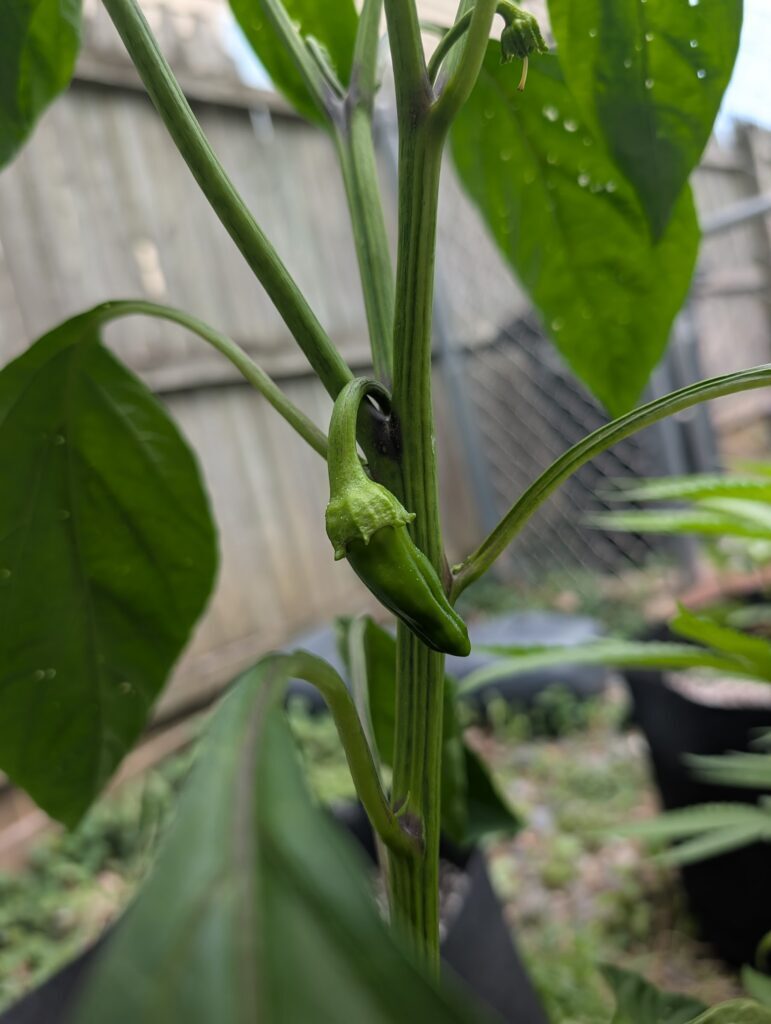
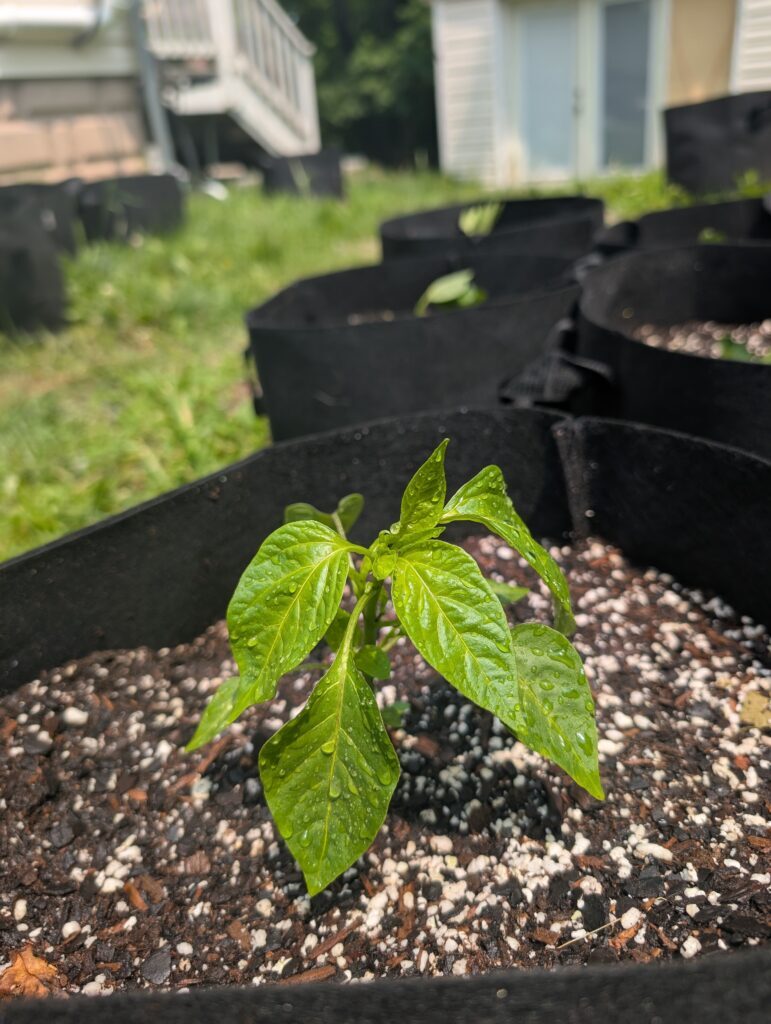
Macedonian Rezha Pepper: According to True Love Seeds, “Macedonian Grilling Peppers are called Vezena Piperka or “Embroidered Pepper” in Macedonia, Eastern Europe because of their intricately scarred skin that appears to be threaded. These 6-8″ long, tapered fruits are sweet with the heat of a jalapeno, and are used to make paprika powder. According to William Woys Weaver, from whom we received our seeds, the “knitted” lines covering the fruits are important to the flavor and release sugars when grilled.
All chili peppers originate in Central and South America, but were spread and adopted around the globe during and after European colonization of the Americas.
Also known as: Rezha Macedonian Pepper, Macedonian Peppers, Vezena Piperka, Vesena, Vezanka, пиперки везени, Embroidered Peppers.”
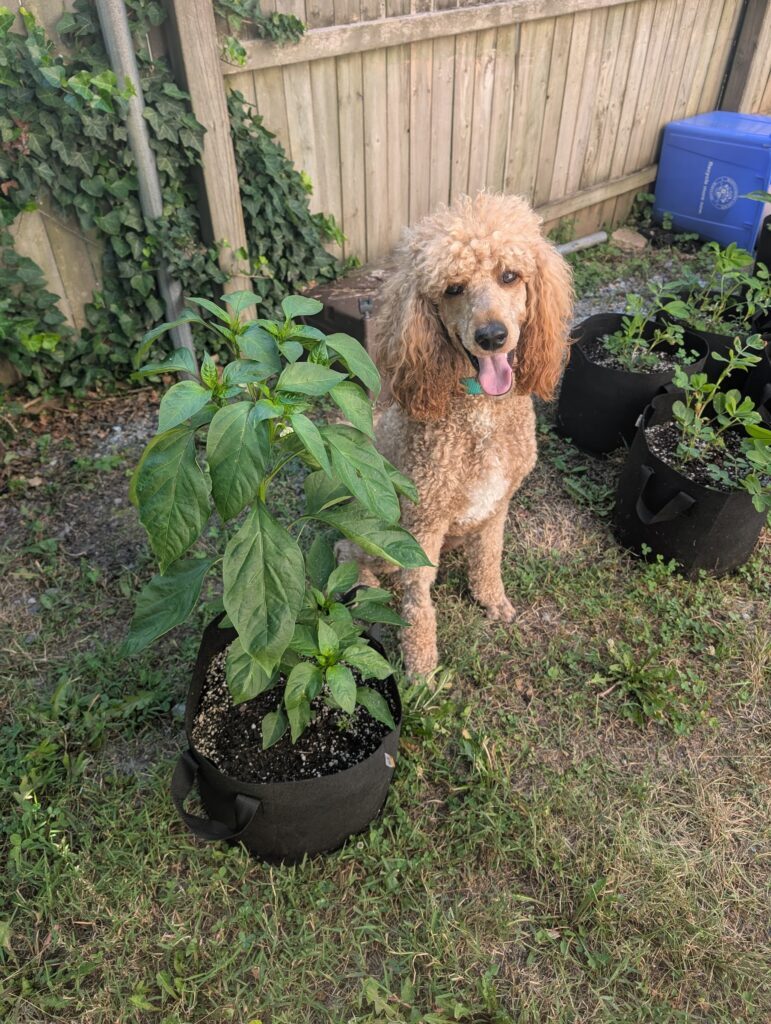
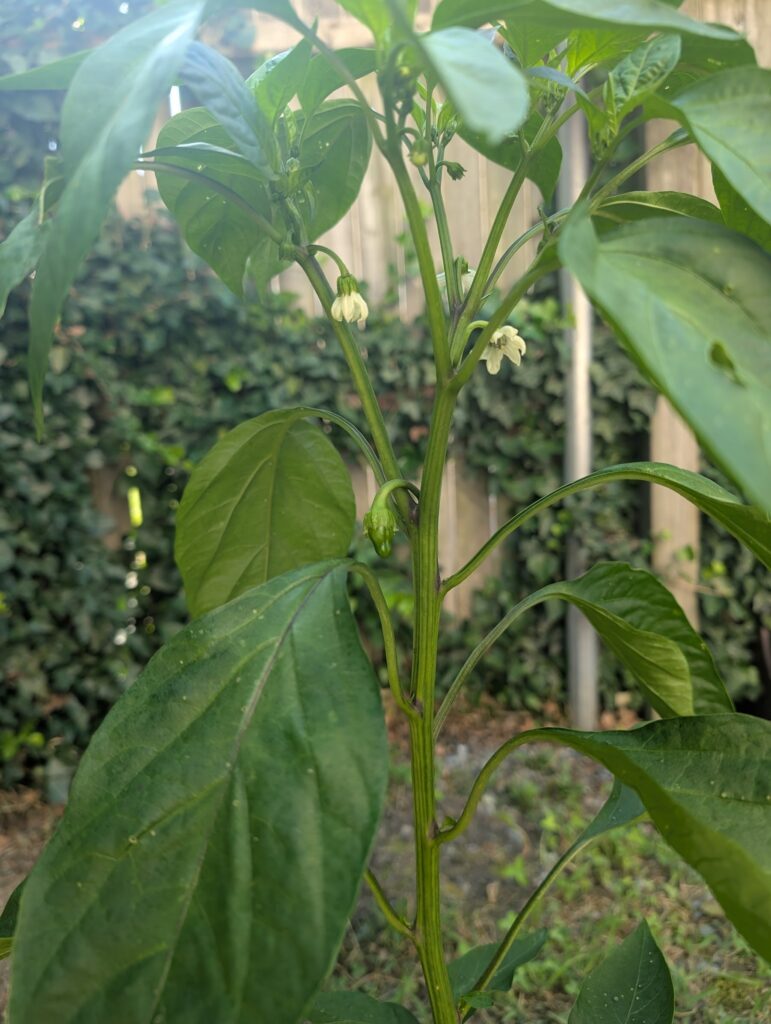
In my garden, I got an 83% germ rate (n=6), so I had 5 of them. Only 3 were growing healthily, and then the neighborhood deer ate 2 of those. I moved the plants from the front yard to the more closed off back. So, I only have one Rezha pepper left, unfortunately. Without human error, I would have had a 50% success rate of growing a healthy young plant from a seed. Next year, I will be sure to plant out back and/or create a deer microexclusure, as well as plant more seeds in the first place so I get multiple healthy plants. We will see if these peppers are really worth the effort soon.
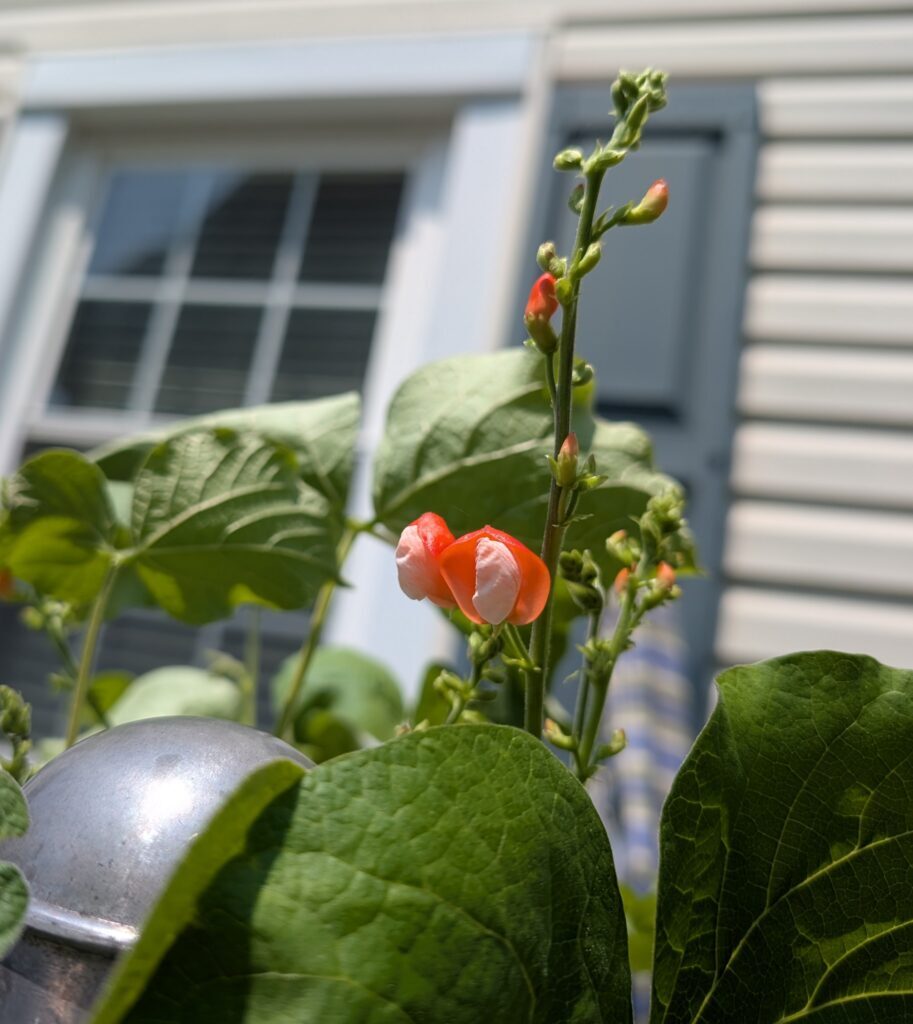
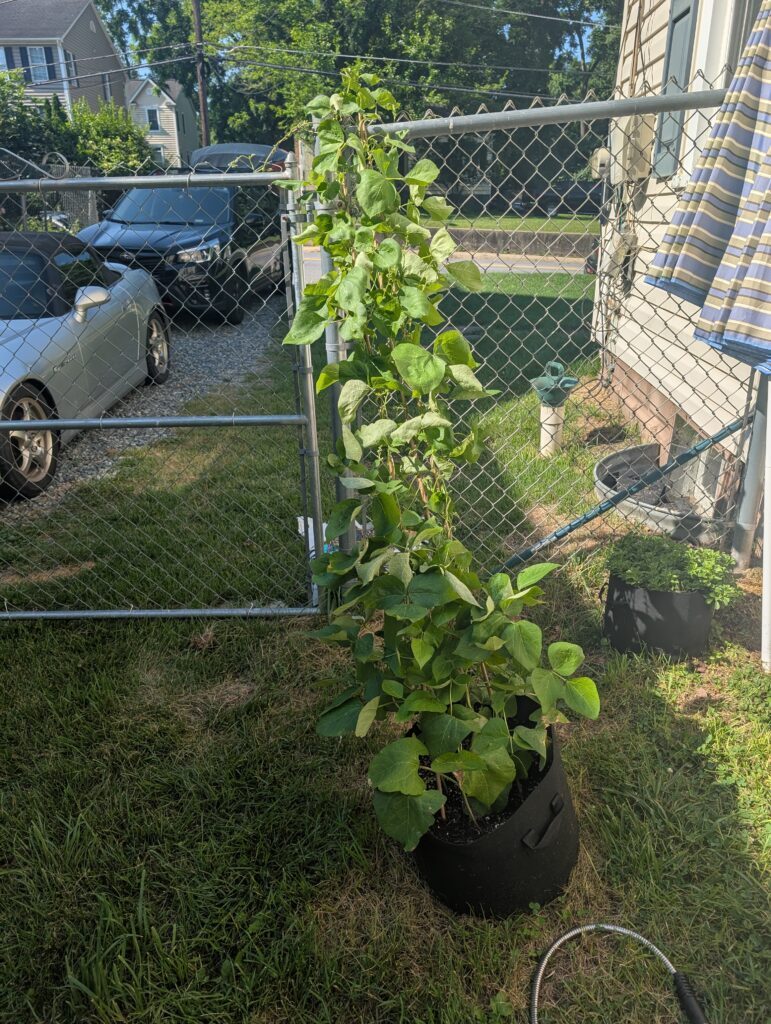
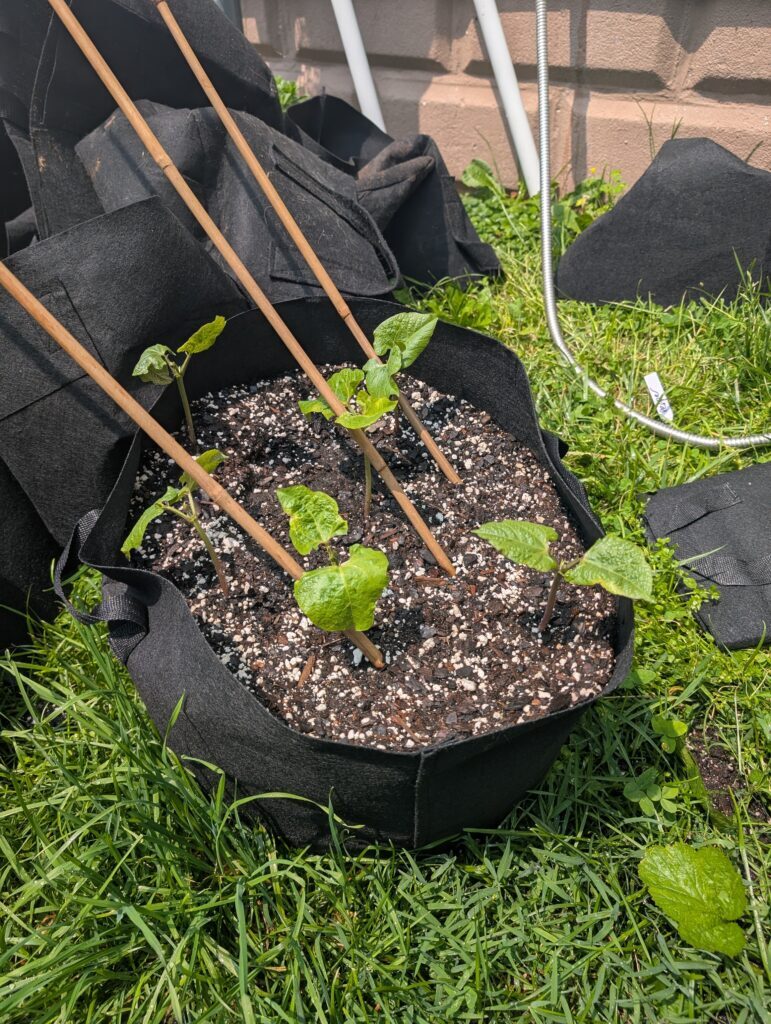
Painted Lady Improved Runner Beans: According to Seed Savers Exchange: “(aka Bicolor Runner, Painted Runner) Friar Antonio de Arrabida described this species in Flora of Rio de Janeiro in 1827. Incredibly beautiful bi-colored blossoms are very attractive to hummingbird moths. This strain is less affected by warmer temperatures than other runner beans and is a prolific bloomer. Esteemed as both an ornamental and edible climber.
68 days
Conventional
Pole bean
Bi-colored blossoms attract hummingbirds
Beans are black and speckled with tan edges
Esteemed as both an ornamental and edible climber
Tolerates heat
This variety works for: Ornamental, Fresh eating, Baking, Roasting, Soups”
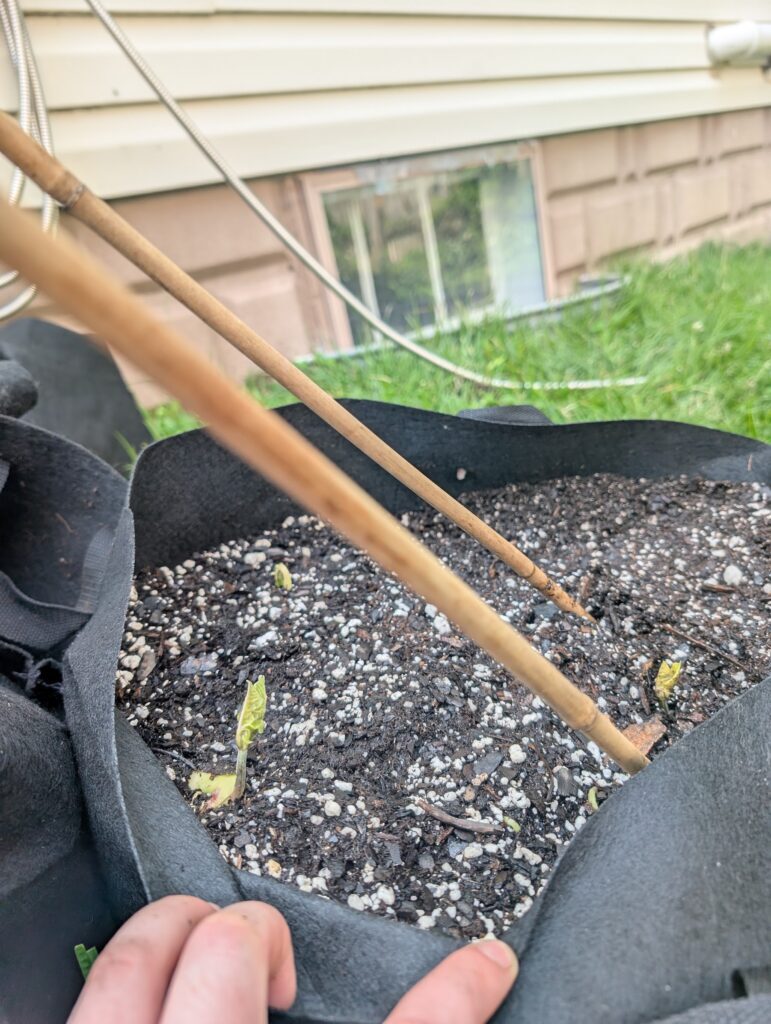
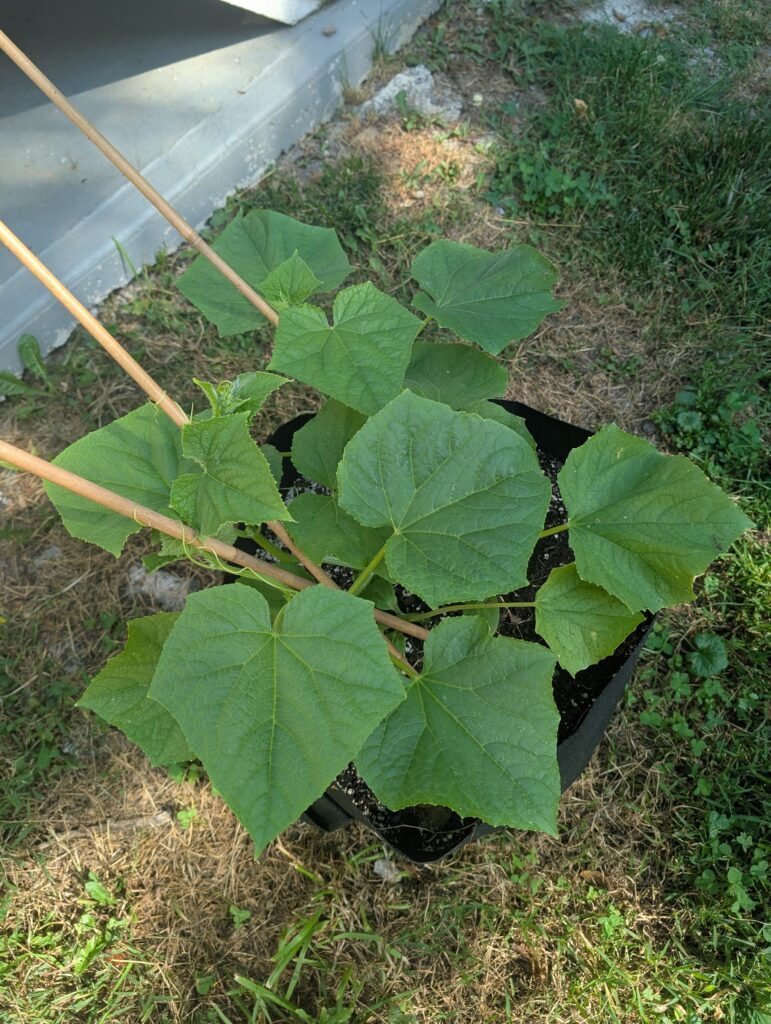
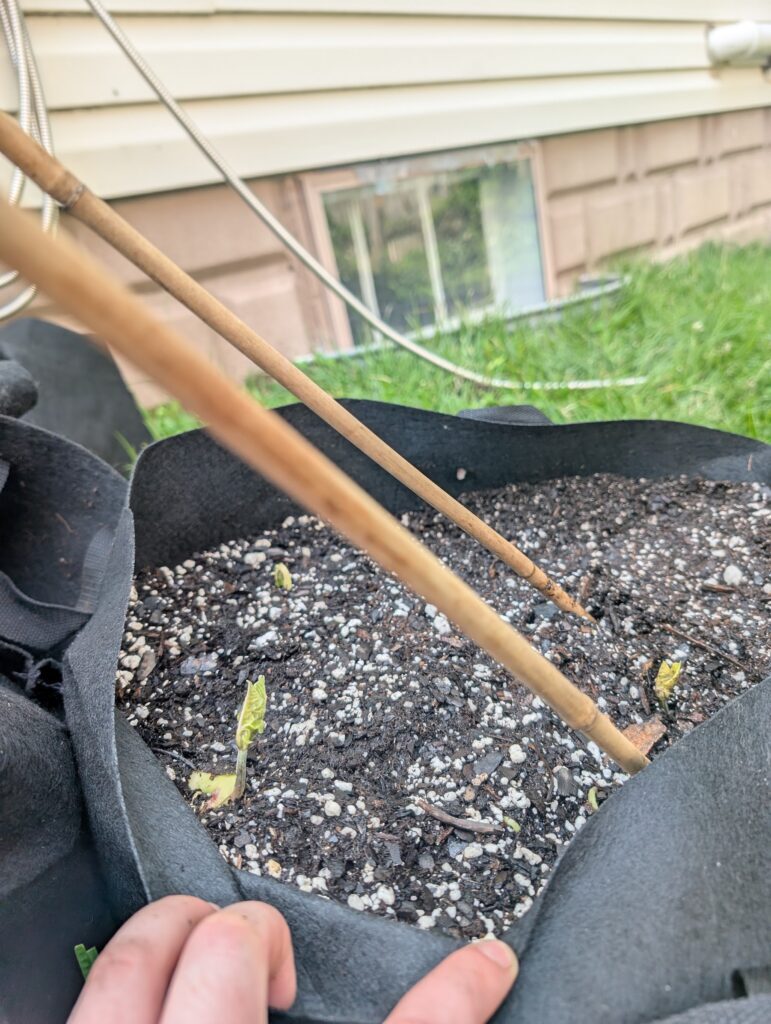
These beans have impressed me already in the 72 hours the sprouts have been above ground. They went from barely noticeable to 4in long between the time they emerged on June 2, and by the time I wrote this post on June 5. Also, I only remember planting 5 beans, but 6 popped up! Jokingly, I report a 120% germ rate (n=5)! I think I will grow these yearly. Magic beans, indeed!
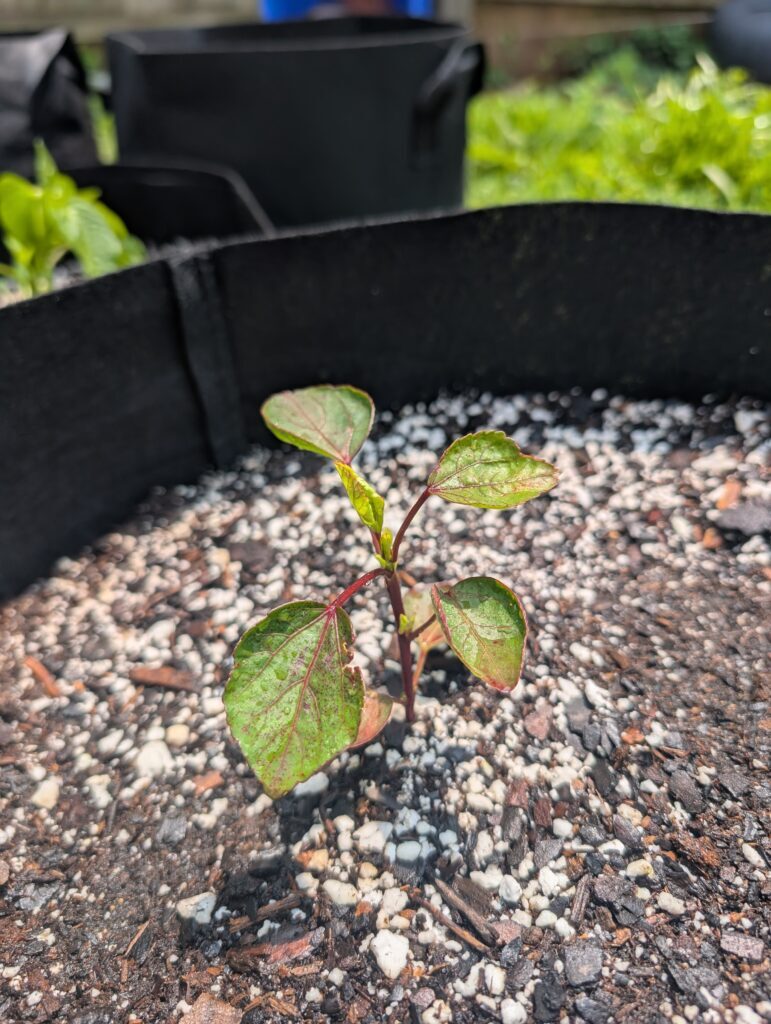
Thai Red Roselle: This is another variety I got at the seed swap from a friend! She had grown it successfully the previous year, and I was interested in trying it out. I enjoy hibiscus tea and candied roselle calyxes, and I am also interested in trying to use the leaves in gongura pappu, since dal is a regular part of my diet and I enjoy tart flavors.
According to Southern Exposure Seed Exchange: “Thai Red Roselle (Hibiscus sabdariffa) is a versatile addition to your garden, boasting beautiful 3-5 ft. plants with striking red stems and leaf veins. The bright red calyxes of this variety can be used to make “zingy” tea, sauce, syrup, or jam, or even candied whole for a unique treat. For strongly flavored teas, simmer for 10-20 minutes. Historically known as “Florida cranberry” in the 1890s, this plant offers edible flowers and young leaves with a citrus tang, perfect for use in Burmese cooking!
Space plants 3-6 ft. apart to maximize calyx ripening; wider spacing encourages more abundant yields. Thai Red Roselle is the only variety in several trials to begin flowering by mid-summer in Virginia.”
I got 100% germ out of 24h tapwater soaked seeds (n=3), but one seedling was weak (weeded out) and another was eaten by deer, leaving only one remaining plant.
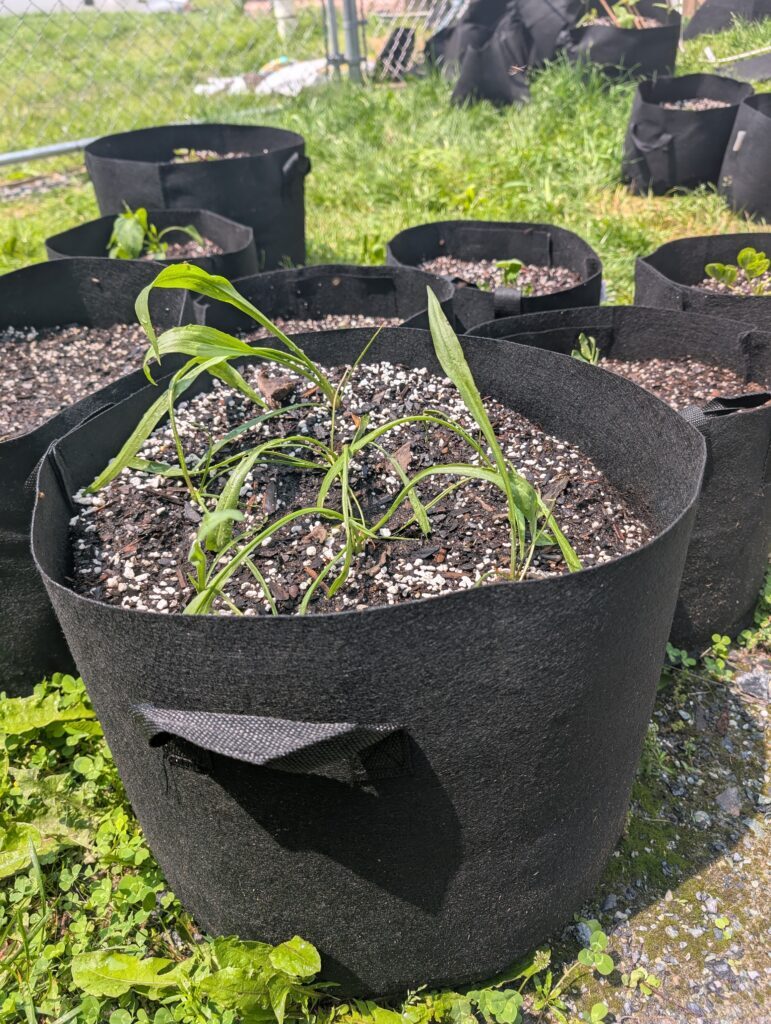
Scorzonera: AKA “Black Salsify;” it is not salsify. However, both true salsify and scorzonera are in family asteraceae. These are unfamiliar vegetables to most American gardeners. Both are biennials grown for their roots, which are cooked in a similar manner to parsnips.
According to True Leaf Market: “Perennial in zones 6 to 9. Can be grown as an annual. 100 to 130 Days. One of the lesser known root vegetables, Black Salsify is a 17th century European heirloom grown, harvested, and prepped in the kitchen much like more familiar root vegetables. Also known by dozens of names including “Spanish salsify”, “Black oyster plant”, or just “scorzonera”, Black Root salsify is an exotic substitute for more traditional parsnips and carrots.”
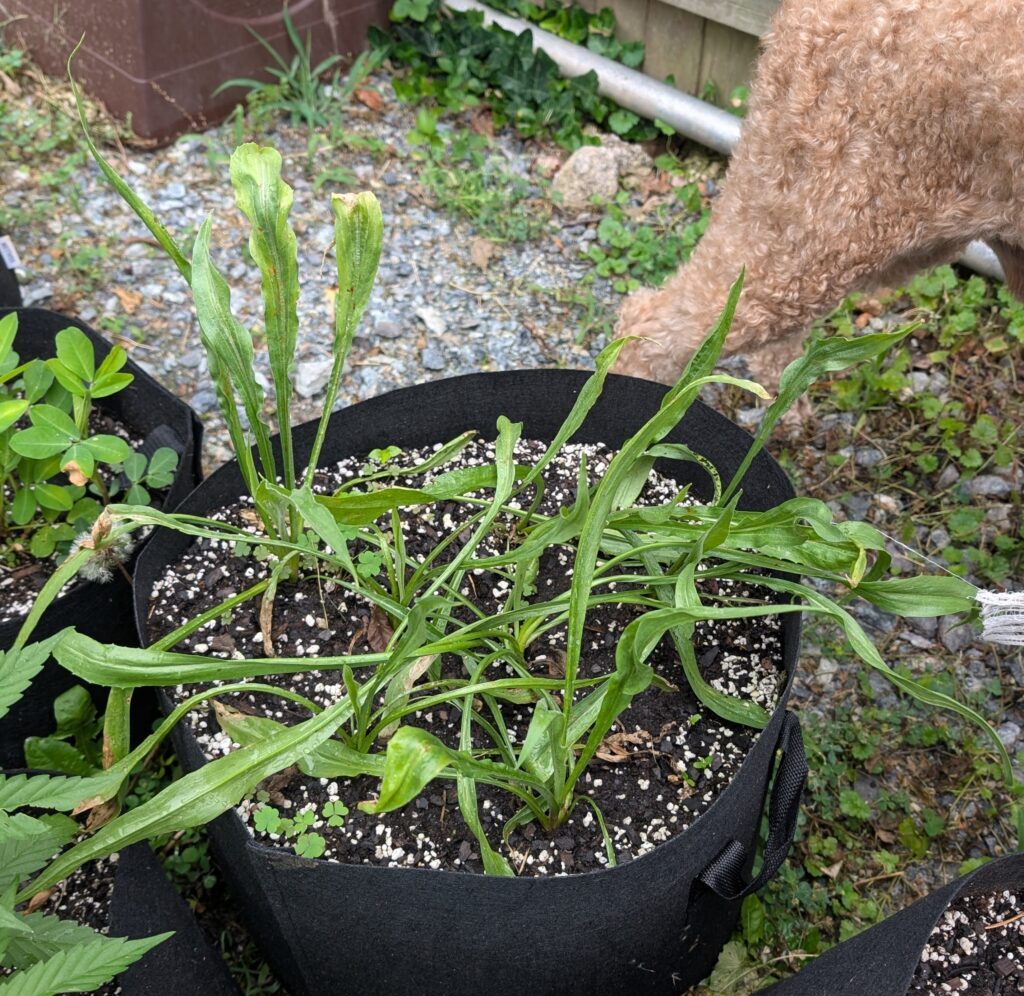
In my opinion, this is a very easy plant to grow. I don’t recall the germ rate, but it was 80%+, and all sprouted seedlings were extremely healthy. Here I have 7 plants in a 10 gallon pot. Maybe this is a little crowded. I may do the same number in a 15gal next year. I am very excited for these, but I am going to be patient! I will harvest only a few this fall, and let the rest set seed to save next year before harvesting.
I am so hopeful for this year’s garden, and even more hopeful for all the improvements I will make next year from what I have learned! I am incredibly thrilled to start distributing seeds around the state, and sharing vegetables with friends.